
Mercedes GLB 200+ AMG Test: Electric SUV Charges in 22 Minutes
Mercedes-Benz tested the GLB 200 Plus electric SUV in Kemaliye, Erzincan, highlighting its 22-minute fast charging capability. The matte black test vehicle is one of the brand's most affordable fully electric SUV options.

Mercedes-Benz conducted a test drive of the GLB 200 Plus electric SUV in the scenic Kemaliye district of Erzincan, situated along the Euphrates River. The vehicle, finished in matte black, represents one of the most accessible fully electric options in the brand's SUV lineup.
The GLB 200 Plus supports fast charging that replenishes the battery in 22 minutes. This rapid charging capability positions the model as a practical choice for drivers seeking minimal downtime during long journeys.
The test focused on the vehicle's performance in real-world conditions, including driving along riverside roads. The SUV's electric powertrain delivered quiet operation and instant torque, characteristics typical of battery-electric vehicles.
Mercedes-Benz positions the GLB 200 Plus as an entry-level electric SUV within its portfolio. The model combines the practicality of a compact SUV with the benefits of zero-emission driving.
The vehicle's interior features a modern design with a large infotainment display and digital instrument cluster. Passenger space remains generous for a vehicle in this segment, with seating for up to seven occupants in certain configurations.
Pricing for the GLB 200 Plus starts at approximately €45,000 in European markets. The model is available for order in select countries, with deliveries expected to begin in the coming months.
Mercedes-Benz continues to expand its electric vehicle lineup, with the GLB 200 Plus serving as a gateway model for customers transitioning from internal combustion engines. The company states that the 22-minute charging time significantly reduces range anxiety for daily use.
Alfa Romeo Giulietta Returns with Electrified Powertrain and Redesign
Alfa Romeo is reviving the Giulietta hatchback with electrified engine options and a new design. The model is expected to launch in 2025.
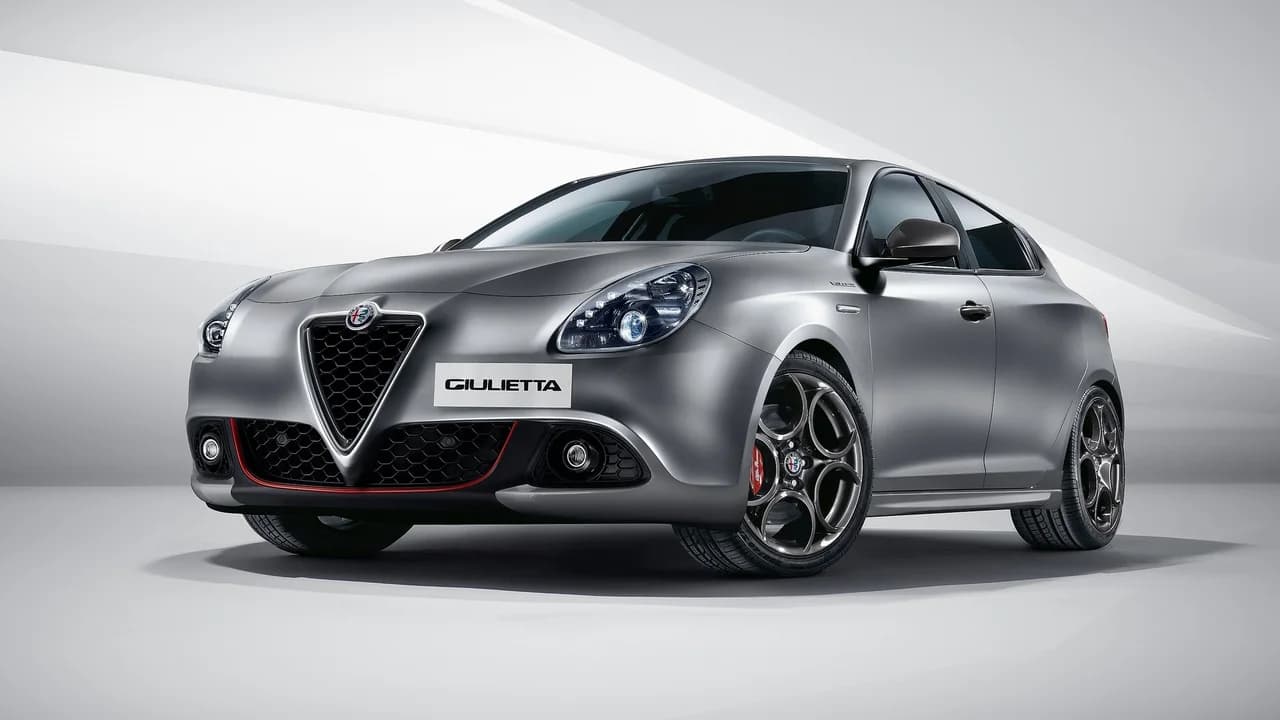
Alfa Romeo has confirmed the return of its popular hatchback, the Giulietta, which will feature electrified powertrain options and a refreshed design. The announcement was made during a press event in Milan on Tuesday. The new Giulietta is slated to arrive in dealerships by early 2025.
The vehicle will be built on the Stellantis STLA Medium platform, which supports both hybrid and fully electric configurations. Alfa Romeo has not disclosed specific powertrain details but stated that the Giulietta will offer a plug-in hybrid variant and a pure electric version. The electric model is expected to have a range of approximately 400 kilometers.
Design cues draw inspiration from the Tonale SUV, including the signature triangular grille and sleek LED headlights. The hatchback retains a sporty silhouette with a sloping roofline and muscular rear fenders. Interior updates include a 12.3-inch digital instrument cluster and a 10.25-inch infotainment screen with wireless Apple CarPlay and Android Auto.
Alfa Romeo CEO Jean-Philippe Imparato said the Giulietta nameplate holds strong emotional value for the brand. The model was originally produced from 2010 to 2020 and sold over 1 million units globally. The new version aims to recapture that success in the compact premium segment.
Pricing for the Giulietta will start at approximately €35,000 for the hybrid variant, with the electric version expected to start around €45,000. The car will be produced at the Cassino plant in Italy. Pre-orders are set to open in the fourth quarter of 2024.
Alfa Romeo plans to offer the Giulietta in multiple trim levels: Sprint, Veloce, and a top-spec Competizione. The Veloce trim will feature adaptive suspension and upgraded brakes. A limited launch edition called "Prima Serie" will be available at launch, distinguished by unique badging and 19-inch wheels.
The Giulietta will compete with models like the BMW 1 Series, Mercedes-Benz A-Class, and Audi A3. Alfa Romeo expects the electrified options to attract buyers seeking performance with lower emissions. The company has not yet announced availability for markets outside Europe.
Deliveries of the new Giulietta are scheduled to begin in March 2025. Alfa Romeo confirmed that the model will be sold in over 40 countries, with additional markets to be announced closer to launch.

Toyota C-HR+ Electric Achieves Class-Leading Energy Efficiency in Real-World Tests
Toyota's all-electric C-HR+ has demonstrated superior energy efficiency in real-world driving conditions, outperforming competitors. The vehicle's low energy consumption sets a new benchmark in its segment.
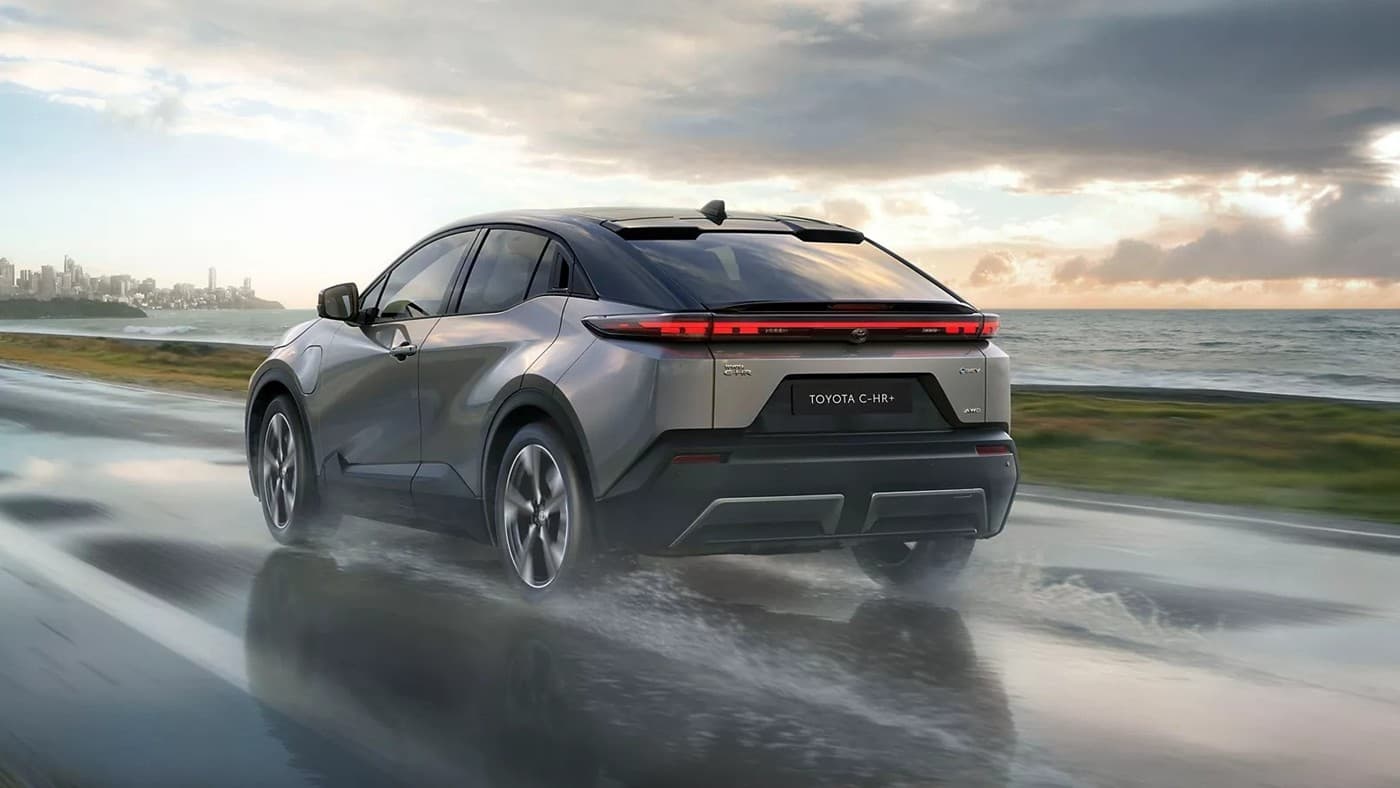
Toyota has unveiled the fully electric C-HR+ model, which is making headlines for its exceptional energy efficiency under real-world driving conditions. The vehicle's low power consumption challenges rival electric cars and exceeds initial expectations.
During testing on public roads, the C-HR+ recorded energy usage figures that significantly undercut those of comparable electric SUVs. Toyota engineers attribute this performance to advanced aerodynamics, a lightweight platform, and an optimized powertrain.
The C-HR+ employs a next-generation electric motor and a high-density battery pack that maximizes range without compromising interior space. The vehicle also features regenerative braking technology that recaptures kinetic energy during deceleration.
Toyota claims the C-HR+ achieves an energy consumption rate of approximately 13.5 kWh per 100 kilometers, placing it among the most efficient electric vehicles in its class. This translates to a real-world range of over 450 kilometers on a single charge.
The model's efficiency gains are partly due to its sleek design, which reduces drag coefficient to 0.28 Cd. Additionally, the use of heat pump technology for cabin climate control minimizes battery drain in cold weather.
Toyota plans to launch the C-HR+ in European markets first, with deliveries expected to begin in early 2025. Pricing has not been officially announced, but analysts estimate a starting price around €40,000.
The C-HR+ will be available in front-wheel-drive and all-wheel-drive configurations, with the latter offering slightly higher energy consumption. Toyota also offers a heat pump as standard equipment across all trims.
Toyota's CEO stated that the C-HR+ represents a significant step in the company's electrification strategy, emphasizing that efficiency is key to making electric vehicles accessible and practical for everyday use.

Porsche Cayenne Turbo Coupe: 1,139 hp SUV is brand's most powerful production car
Porsche's new Cayenne Turbo Coupe produces 1,139 hp and 1,106 lb-ft of torque, making it the most powerful production car the automaker has ever built. The electric SUV accelerates from 0 to 60 mph in 2.4 seconds while serving as a practical daily driver.
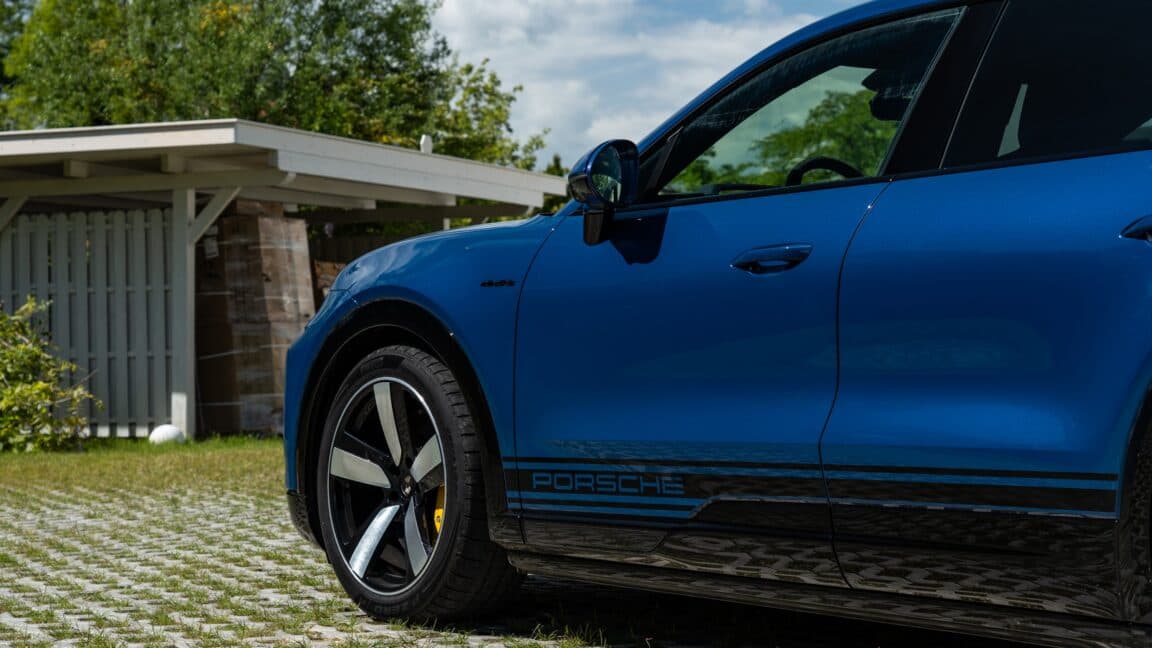
Porsche provided flights from Albany, New York, to Munich, Germany, and accommodation so Ars could drive the electric Cayenne Coupe. Ars does not accept paid editorial content.
MUNICH, GERMANY—Think about every fast Porsche you've ever seen on the road—the ones with big wings, bold colors, and wide wheels. Now get ready for an uncomfortable fact: None of them had more horsepower than the SUV you see pictured here.
This is the new Cayenne Turbo Coupe, a fastback, dual-motor, upgraded version of Porsche's electric SUV. It makes a whopping 1,139 hp (850 kW) and 1,106 lb-ft of torque (1,500 Nm), enough to drive this 5,637 lb (2,557 kg) machine and its 113-kilowatt-hour battery pack from zero to 60 mph (97 km/h) in 2.4 seconds.
That makes it not only Porsche's most powerful production car ever but also among its quickest, bested only by the Taycan Turbo GT. But unlike that pared-down, performance-oriented take on Porsche's sultry electric sedan, the Cayenne Coupe is meant to be an everyday hauler for friends, family, and whatever else you can fit underneath its hatch.
Does it succeed? That's what I went to Munich to find out.

Ferrari's First EV Targets Compliance and China, Not Enthusiasts
Ferrari's upcoming electric vehicle, the Luce, is reportedly designed to meet regulatory requirements and appeal to the Chinese market, rather than traditional Ferrari enthusiasts. The model, designed by Jony Ive, faces significant pressure to succeed in a shifting automotive landscape.
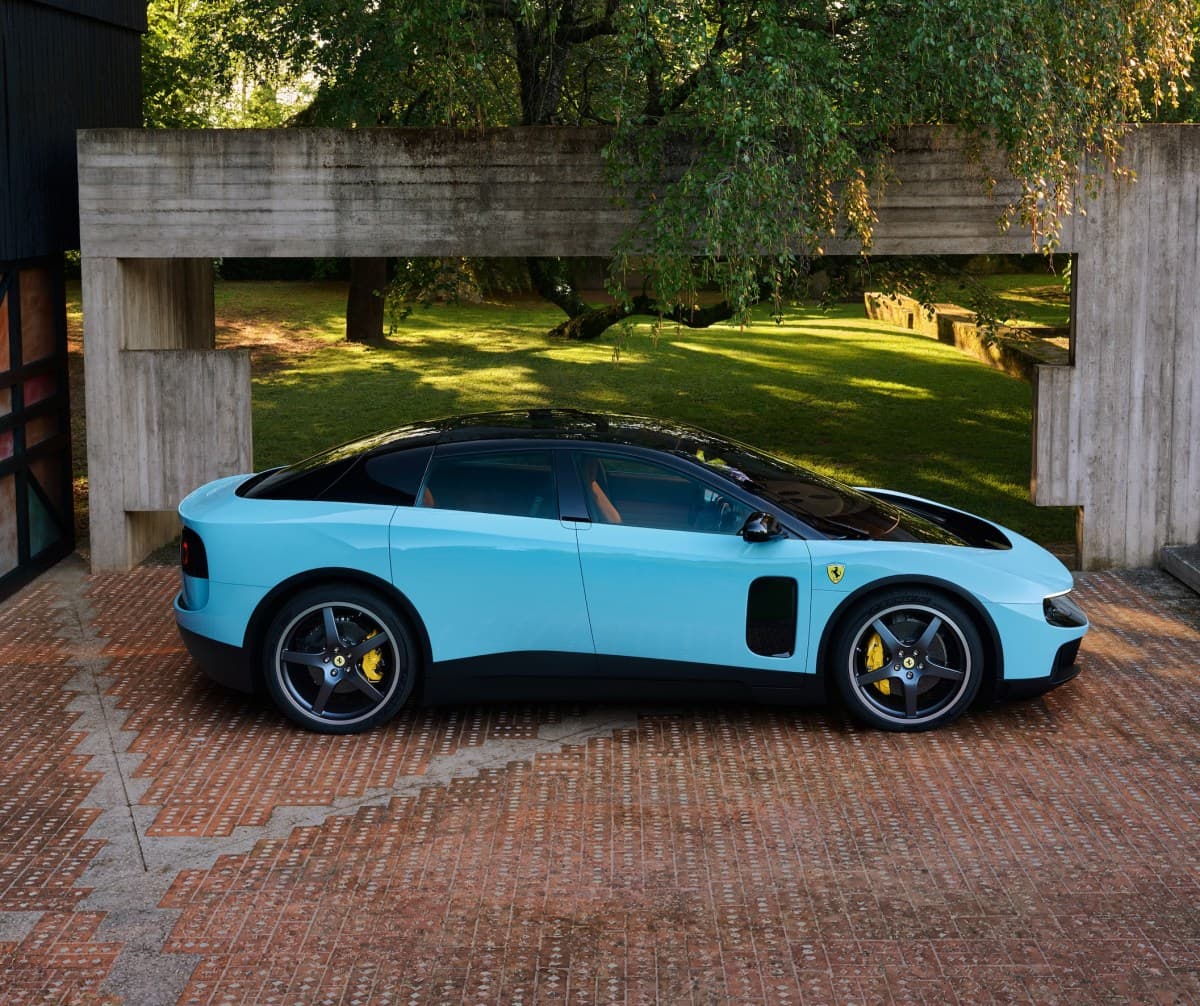
Ferrari is preparing to launch its first all-electric vehicle, the Luce, but the model appears to be aimed more at regulatory compliance and the Chinese market than at the brand's traditional customer base. The electric supercar, designed by former Apple design chief Jony Ive, is expected to debut in 2025. Sources indicate that the Luce is being developed with a focus on meeting stringent emissions regulations in Europe and other key markets, rather than delivering the visceral driving experience Ferrari is known for. The vehicle's design and specifications are being tailored to appeal to Chinese buyers, who have shown strong demand for high-end electric vehicles. This strategic shift has raised concerns among some Ferrari enthusiasts, who worry that the Luce may dilute the brand's performance-focused identity. The Luce is expected to feature a four-door coupe body style, a departure from Ferrari's traditional two-door sports cars. The vehicle will be built on a dedicated EV platform and is rumored to have a range of over 300 miles. Pricing is expected to exceed $500,000, positioning it as a direct competitor to models like the Rimac Nevera and the Lotus Evija. Ferrari has not confirmed the exact launch date, but production is slated to begin in 2025 at the company's Maranello plant. The Luce represents a significant gamble for Ferrari as it navigates the transition to electrification while trying to maintain its exclusivity and brand cachet. The company has stated that it will continue to offer internal combustion engines alongside EVs, but the success of the Luce will be critical for meeting future emissions targets. Jony Ive's involvement in the design process has generated considerable buzz, but it also adds pressure to deliver a vehicle that meets both aesthetic and performance expectations. The Luce is expected to be unveiled in a special event in late 2024, with customer deliveries beginning in 2025.