Corsair Begins Using Chinese CXMT DRAM in DDR5 Memory Modules
Corsair has started using DRAM chips from Chinese manufacturer CXMT in its DDR5 memory modules, signaling a shift in the global supply chain amid the AI-driven memory shortage.
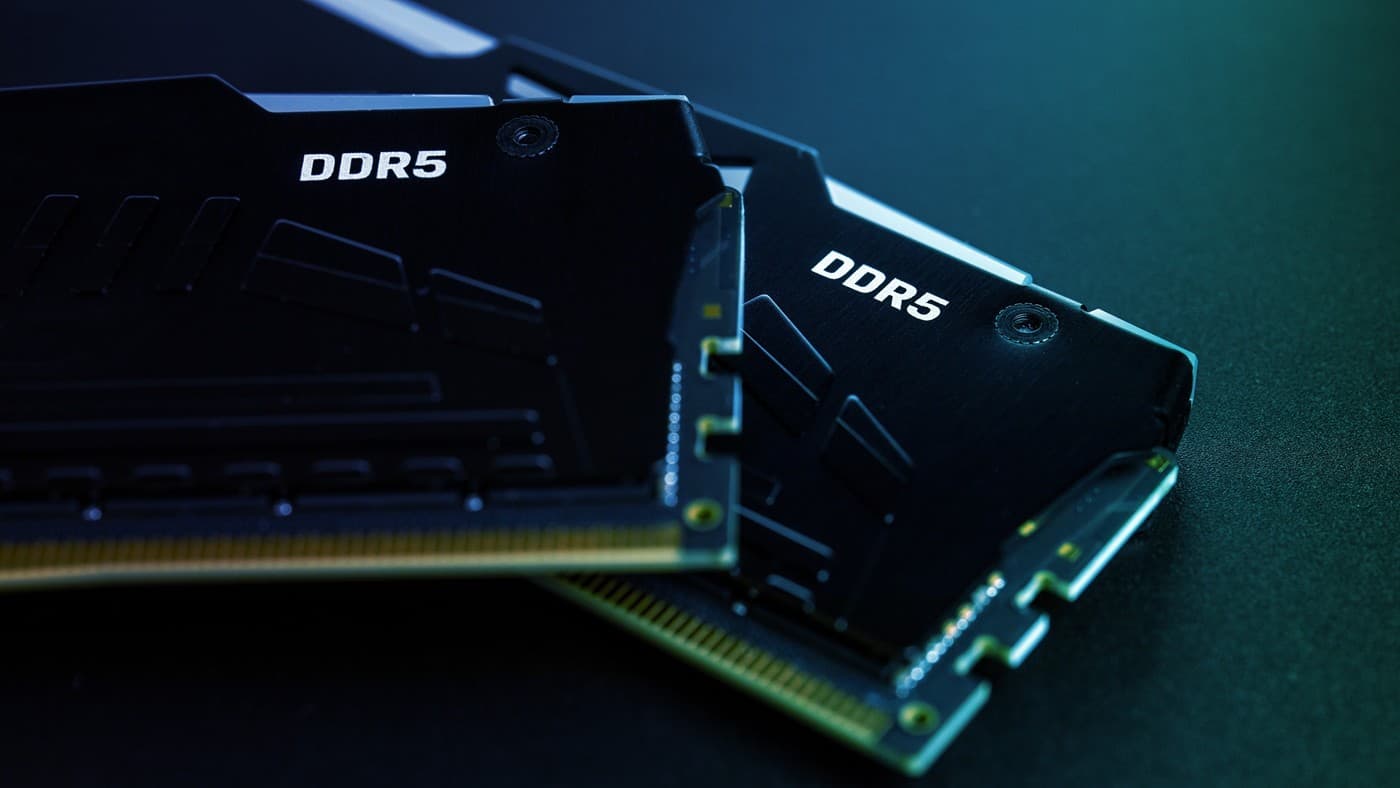
Corsair has incorporated DRAM chips from Chinese manufacturer CXMT into its DDR5 memory modules, according to recent findings. The move highlights a significant shift in the global memory supply chain as the AI boom intensifies demand for memory components.
CXMT, or ChangXin Memory Technologies, is a Chinese DRAM producer that has been ramping up production capacity. Corsair's adoption of CXMT chips marks one of the first major instances of a Western memory module maker sourcing DRAM from a Chinese supplier for high-performance consumer products.
The DDR5 modules featuring CXMT DRAM have been spotted in the market, though Corsair has not officially announced the change. The modules maintain the same specifications and performance characteristics as those using DRAM from established suppliers like Samsung, SK Hynix, and Micron.
Industry analysts note that the shift could help Corsair secure more stable pricing and supply amid the ongoing memory shortage driven by AI and data center demand. CXMT's DRAM is reportedly competitive in terms of performance and power efficiency, making it a viable alternative for consumer memory products.
Corsair's decision may also reflect broader trends in the semiconductor industry, where geopolitical tensions and supply chain diversification are prompting companies to explore non-traditional sources. However, some experts caution that long-term reliability and compatibility remain to be fully validated.
The affected DDR5 modules are available through Corsair's retail channels, including its Vengeance and Dominator series. Pricing remains consistent with other DDR5 offerings from the company, and no changes to warranty or support have been announced.
Corsair has not issued a formal statement regarding the use of CXMT DRAM. The company continues to offer a wide range of DDR5 memory kits with varying speeds and capacities, catering to gamers, enthusiasts, and professionals.
As the memory market evolves, Corsair's move could encourage other module makers to consider CXMT as a supplier, potentially reshaping the competitive landscape. For now, consumers can expect the same performance from Corsair DDR5 modules regardless of the DRAM origin.
Google Demos Android XR Glasses with Gemini-Powered Translation and Navigation
Google demonstrated prototype Android XR glasses that overlay real-time translation, navigation, and other information into the user's field of view. The glasses are powered by Gemini, Google's AI model, and represent a step toward augmented reality wearables.

Google showcased a prototype of its Android XR glasses at a recent event, offering a glimpse into the company's vision for augmented reality. The glasses overlay information such as translation, navigation, and notifications directly into the user's field of view. The device is powered by Gemini, Google's advanced AI model, which enables real-time language translation and contextual assistance.
The prototype glasses feature a lightweight design and integrate with Google services like Maps and Translate. During the demo, users could see translated text overlaid on signs or hear spoken translations through the glasses' speakers. Navigation prompts appeared as arrows and directions projected onto the real world, allowing users to keep their hands free.
Gemini's AI capabilities allow the glasses to understand and respond to voice commands, provide contextual information about objects in view, and even summarize text. The glasses can also display notifications from a paired smartphone, such as messages or calendar alerts, without requiring the user to look at a phone screen.
The Android XR platform is designed to support a range of augmented reality experiences, from productivity tools to entertainment. Google emphasized that the glasses are still in the prototype stage and are not yet available for consumers. The company did not announce a release date or pricing for the product.
Google's push into AR glasses comes amid renewed interest in the category from other tech giants. Apple recently launched the Vision Pro, a mixed-reality headset, while Meta has continued to develop its Ray-Ban Stories smart glasses. Google's approach focuses on a lightweight form factor and seamless integration with its existing ecosystem.
The prototype glasses are part of Google's broader strategy to integrate AI into everyday devices. The company has been investing heavily in Gemini, which also powers features in Pixel phones and other products. The glasses represent a new form factor for delivering AI-powered assistance in a hands-free manner.
Developers will have access to Android XR tools to create applications for the platform. Google plans to release a software development kit (SDK) for Android XR in the coming months, allowing third-party developers to build AR experiences for the glasses. The company is also working with partners to explore use cases in industries like healthcare, logistics, and education.
Google did not specify when the Android XR glasses will be available to the public. The company stated that it is continuing to refine the hardware and software based on feedback from the demo. Pricing and availability details are expected to be announced at a later date.

AMD to Invest Over $10 Billion in Taiwan for Next-Gen Infrastructure
AMD announced plans to invest more than $10 billion in Taiwan's ecosystem for next-generation infrastructure and advanced packaging technologies. The investment aims to strengthen AMD's supply chain and manufacturing capabilities.
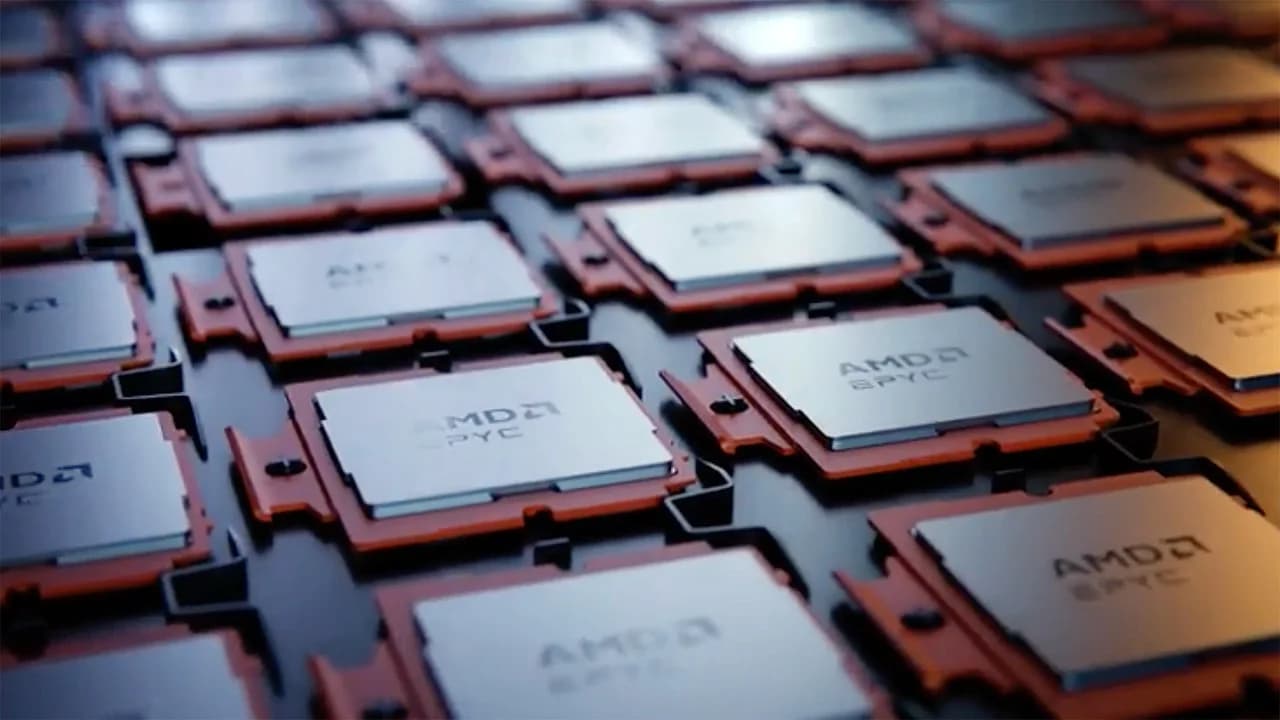
Advanced Micro Devices (AMD) revealed a major investment exceeding $10 billion directed at Taiwan's technology ecosystem. The funds will support the development of next-generation infrastructure and advanced packaging technologies. This strategic move underscores AMD's commitment to expanding its manufacturing footprint in the region.
The investment focuses on enhancing AMD's capabilities in advanced packaging, a critical area for high-performance computing and AI chips. Advanced packaging techniques allow for tighter integration of components, improving performance and energy efficiency. Taiwan is a global hub for semiconductor manufacturing and packaging, making it a natural choice for AMD's expansion.
AMD's decision comes amid growing demand for AI accelerators and data center processors. The company has been working to increase its production capacity to compete with rivals like Nvidia and Intel. By investing in Taiwan, AMD aims to secure access to cutting-edge packaging technologies and supply chain resilience.
The investment will be phased over several years, with specific projects to be announced later. AMD plans to collaborate with local partners, including semiconductor foundries and packaging firms. The company already works closely with Taiwan Semiconductor Manufacturing Company (TSMC) for chip production.
This move aligns with broader industry trends where chipmakers are investing heavily in advanced packaging. TSMC, for instance, has been expanding its advanced packaging capacity in Taiwan. AMD's investment is expected to create jobs and boost the local tech ecosystem.
AMD CEO Lisa Su stated that the investment reflects the company's confidence in Taiwan's technology leadership. She emphasized the importance of innovation and collaboration in driving the next wave of computing. The investment is subject to regulatory approvals and market conditions.
AMD's announcement follows similar investments by other tech giants in Taiwan. The region remains a critical node in the global semiconductor supply chain. AMD's commitment is seen as a long-term bet on the island's manufacturing prowess.
The investment is scheduled to begin in 2024, with full deployment expected by 2028. AMD did not disclose specific financial details or the exact breakdown of spending. The company reaffirmed its dedication to advancing high-performance computing through strategic investments.

Steam Controller charging puck sparks fire hazard warning after Reddit user reports near incident
A Reddit user reported that the Steam Controller's magnetic charging puck nearly started a fire when it short-circuited after contacting a metal watch strap. Valve's manual warns users to keep metallic objects away from the puck to reduce fire risks.
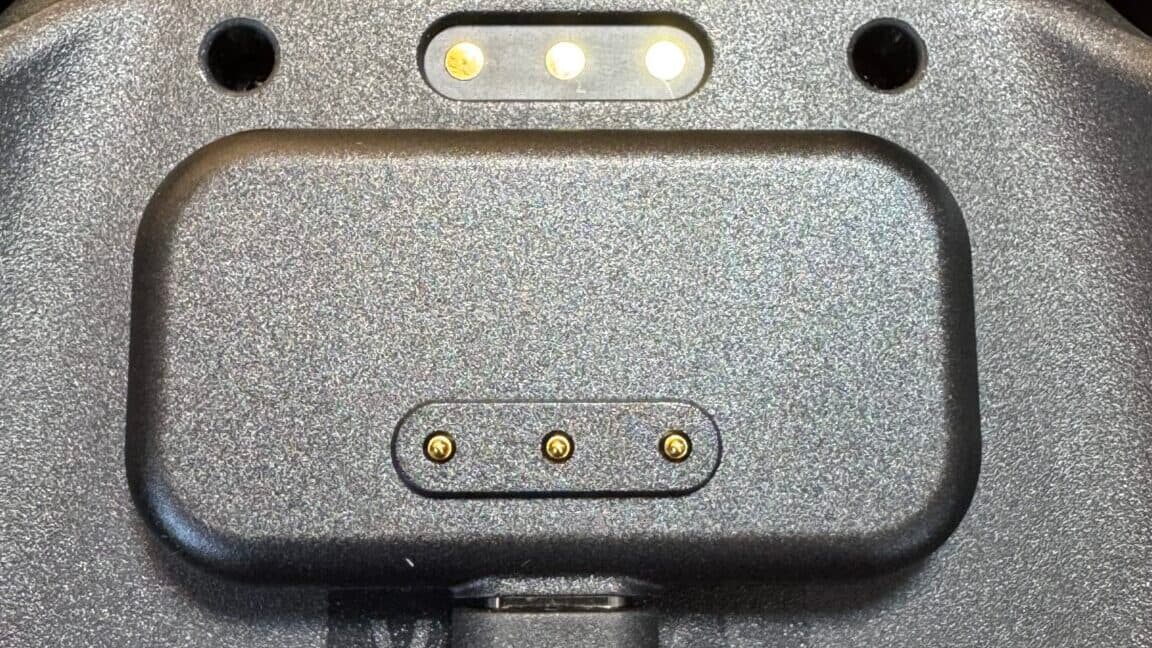
A Reddit user's experience with the Steam Controller's charging puck has raised concerns about a potential fire hazard. User Toikka posted on the r/SteamController subreddit that the metal portion of the charging puck began sizzling due to a short circuit after coming into contact with their metallic watch strap. The strap reportedly fell from a nearby watch charger and hit the puck at an angle that caused the short circuit, which the user said almost started a fire.
Valve appears to be aware of this risk. The manual included with every Steam Controller warns that both the charging puck and the controller contain magnetic parts that may attract metallic items. The company advises users to ensure both are free of metallic objects to reduce the potential risks of sparks and resulting property damage or possible injury.
The manual also cautions that the magnets could negatively affect medical devices, credit cards, and magnetic data storage placed nearby. This warning highlights the importance of keeping the charging area clear of metal objects.
The Steam Controller's charging puck uses a magnetic connection that snaps into place on the back of the controller. While this design offers convenience, the exposed contacts on the puck can create a short circuit if they touch a conductive material.
In a review of the Steam Controller last month, the satisfying click of the magnetic charging puck was noted as a feature that saves users the hassle of fiddling with a power cord. However, this incident underscores a potential downside of the design.
Valve has not issued a recall or additional safety notice beyond the manual's warnings. Users are encouraged to follow the manual's guidance and keep metallic objects away from the charging puck.
The Steam Controller is available for purchase on Steam for $49.99. The controller and its charging accessories are sold separately.

Trump cancels AI executive order signing after CEO no-shows
President Donald Trump abruptly canceled an event hours before signing an executive order on AI testing after several top AI firm CEOs declined to attend. The cancellation occurred despite some executives already en route to the White House.
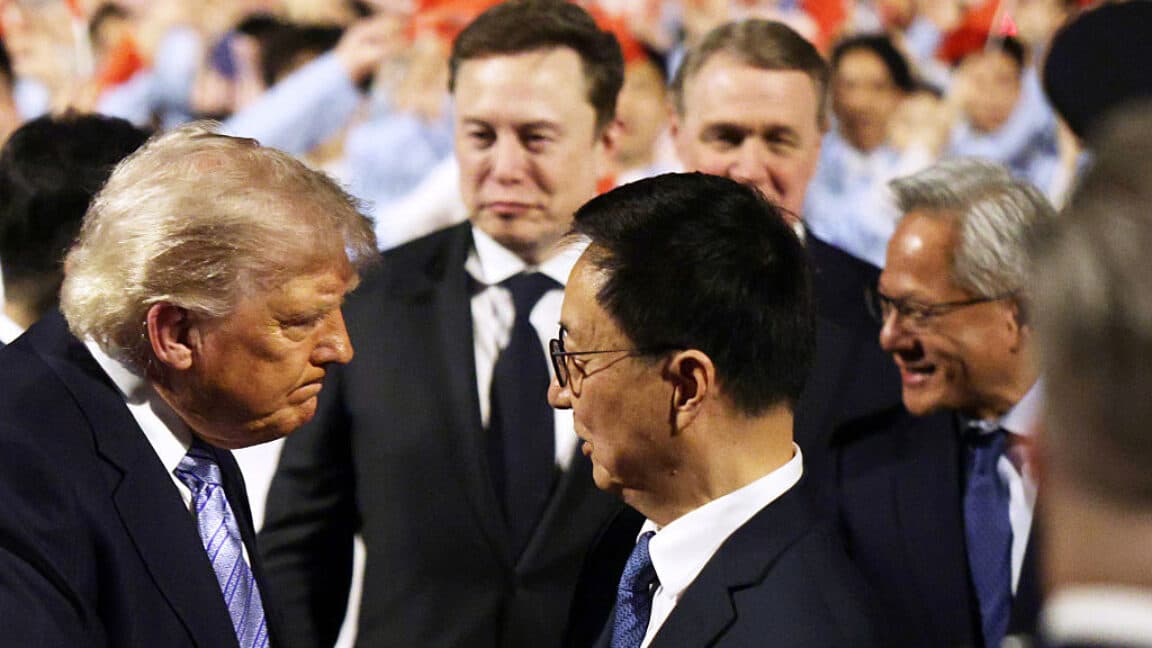
President Donald Trump abruptly canceled an event on Thursday just hours before he was scheduled to sign an executive order granting the government the power to test frontier AI models before their public release. As The New York Times explained, Trump had been hoping that top executives from leading AI firms would attend the signing. He decided to pull the plug after learning that some CEOs couldn't make the event. That made Trump unhappy, even though he'd only given them 24 hours' notice.
Other AI executives who quickly rearranged their schedules to go "were midair on their way to the Oval Office" when they found out that the trip was for nothing. Reporting from Semafor indicated that OpenAI "supported" the signing. However, xAI founder Elon Musk and Meta CEO Mark Zuckerberg reportedly helped "derail" the executive order, supposedly urging Trump to "call it off."
Additionally, Trump's former AI advisor David Sacks—whose special government employee designation expired in March, The Information noted—joined the push to delay the signing, Semafor reported. The executive order would have required companies developing advanced AI models to submit them for government safety testing before public release.
The cancellation highlights the ongoing tension between the Trump administration and major AI firms over regulation. The White House did not immediately comment on whether the executive order would be rescheduled. Some industry observers noted that the short notice for the event may have contributed to the low attendance.
OpenAI had expressed support for the executive order, according to Semafor. The company has previously advocated for government oversight of AI development. In contrast, Musk and Zuckerberg have been more critical of regulatory efforts, with Musk warning about AI risks but opposing certain government controls.
The event's cancellation leaves the status of the executive order uncertain. It remains unclear if Trump will attempt to sign it at a later date or if the opposition from key industry figures will permanently shelve the initiative. The White House has not released a revised schedule for the signing.