Trump cancels AI executive order signing after CEO no-shows
President Donald Trump abruptly canceled an event hours before signing an executive order on AI testing after several top AI firm CEOs declined to attend. The cancellation occurred despite some executives already en route to the White House.
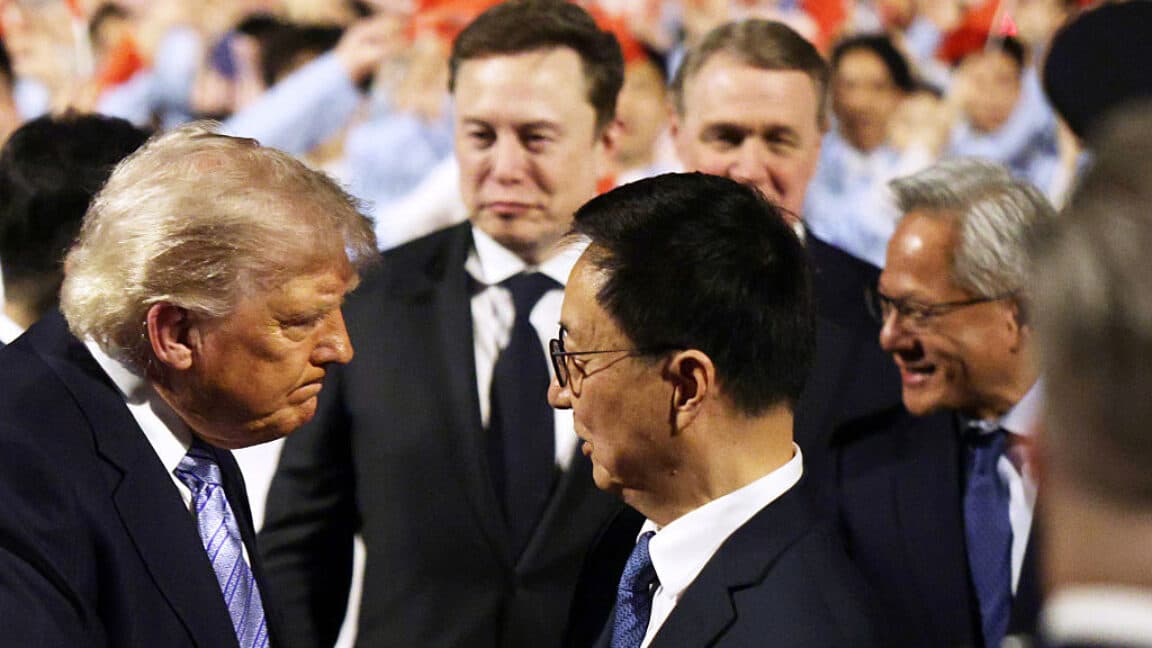
President Donald Trump abruptly canceled an event on Thursday just hours before he was scheduled to sign an executive order granting the government the power to test frontier AI models before their public release. As The New York Times explained, Trump had been hoping that top executives from leading AI firms would attend the signing. He decided to pull the plug after learning that some CEOs couldn't make the event. That made Trump unhappy, even though he'd only given them 24 hours' notice.
Other AI executives who quickly rearranged their schedules to go "were midair on their way to the Oval Office" when they found out that the trip was for nothing. Reporting from Semafor indicated that OpenAI "supported" the signing. However, xAI founder Elon Musk and Meta CEO Mark Zuckerberg reportedly helped "derail" the executive order, supposedly urging Trump to "call it off."
Additionally, Trump's former AI advisor David Sacks—whose special government employee designation expired in March, The Information noted—joined the push to delay the signing, Semafor reported. The executive order would have required companies developing advanced AI models to submit them for government safety testing before public release.
The cancellation highlights the ongoing tension between the Trump administration and major AI firms over regulation. The White House did not immediately comment on whether the executive order would be rescheduled. Some industry observers noted that the short notice for the event may have contributed to the low attendance.
OpenAI had expressed support for the executive order, according to Semafor. The company has previously advocated for government oversight of AI development. In contrast, Musk and Zuckerberg have been more critical of regulatory efforts, with Musk warning about AI risks but opposing certain government controls.
The event's cancellation leaves the status of the executive order uncertain. It remains unclear if Trump will attempt to sign it at a later date or if the opposition from key industry figures will permanently shelve the initiative. The White House has not released a revised schedule for the signing.
Steam Controller charging puck sparks fire hazard warning after Reddit user reports near incident
A Reddit user reported that the Steam Controller's magnetic charging puck nearly started a fire when it short-circuited after contacting a metal watch strap. Valve's manual warns users to keep metallic objects away from the puck to reduce fire risks.
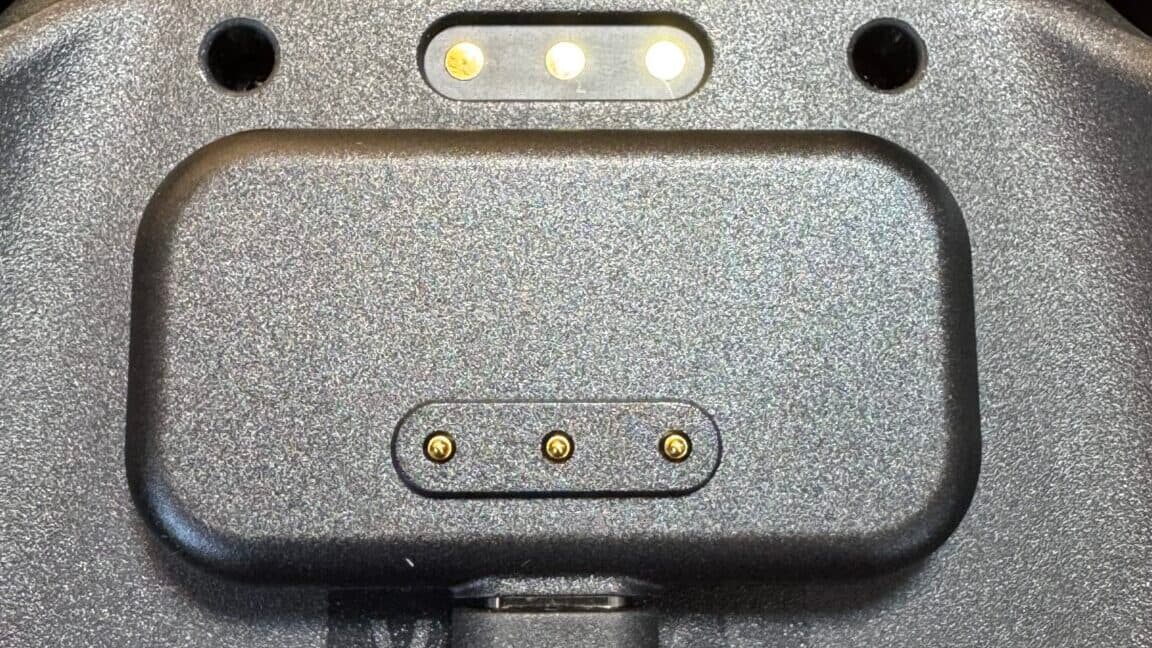
A Reddit user's experience with the Steam Controller's charging puck has raised concerns about a potential fire hazard. User Toikka posted on the r/SteamController subreddit that the metal portion of the charging puck began sizzling due to a short circuit after coming into contact with their metallic watch strap. The strap reportedly fell from a nearby watch charger and hit the puck at an angle that caused the short circuit, which the user said almost started a fire.
Valve appears to be aware of this risk. The manual included with every Steam Controller warns that both the charging puck and the controller contain magnetic parts that may attract metallic items. The company advises users to ensure both are free of metallic objects to reduce the potential risks of sparks and resulting property damage or possible injury.
The manual also cautions that the magnets could negatively affect medical devices, credit cards, and magnetic data storage placed nearby. This warning highlights the importance of keeping the charging area clear of metal objects.
The Steam Controller's charging puck uses a magnetic connection that snaps into place on the back of the controller. While this design offers convenience, the exposed contacts on the puck can create a short circuit if they touch a conductive material.
In a review of the Steam Controller last month, the satisfying click of the magnetic charging puck was noted as a feature that saves users the hassle of fiddling with a power cord. However, this incident underscores a potential downside of the design.
Valve has not issued a recall or additional safety notice beyond the manual's warnings. Users are encouraged to follow the manual's guidance and keep metallic objects away from the charging puck.
The Steam Controller is available for purchase on Steam for $49.99. The controller and its charging accessories are sold separately.

ASML CEO: Elon Musk 'Very Serious' About Massive TeraFab Chip Project
ASML CEO Christophe Fouquet stated that Elon Musk is 'very serious' about his massive chip manufacturing project TeraFab. The project aims to invest hundreds of billions of dollars in semiconductor production.
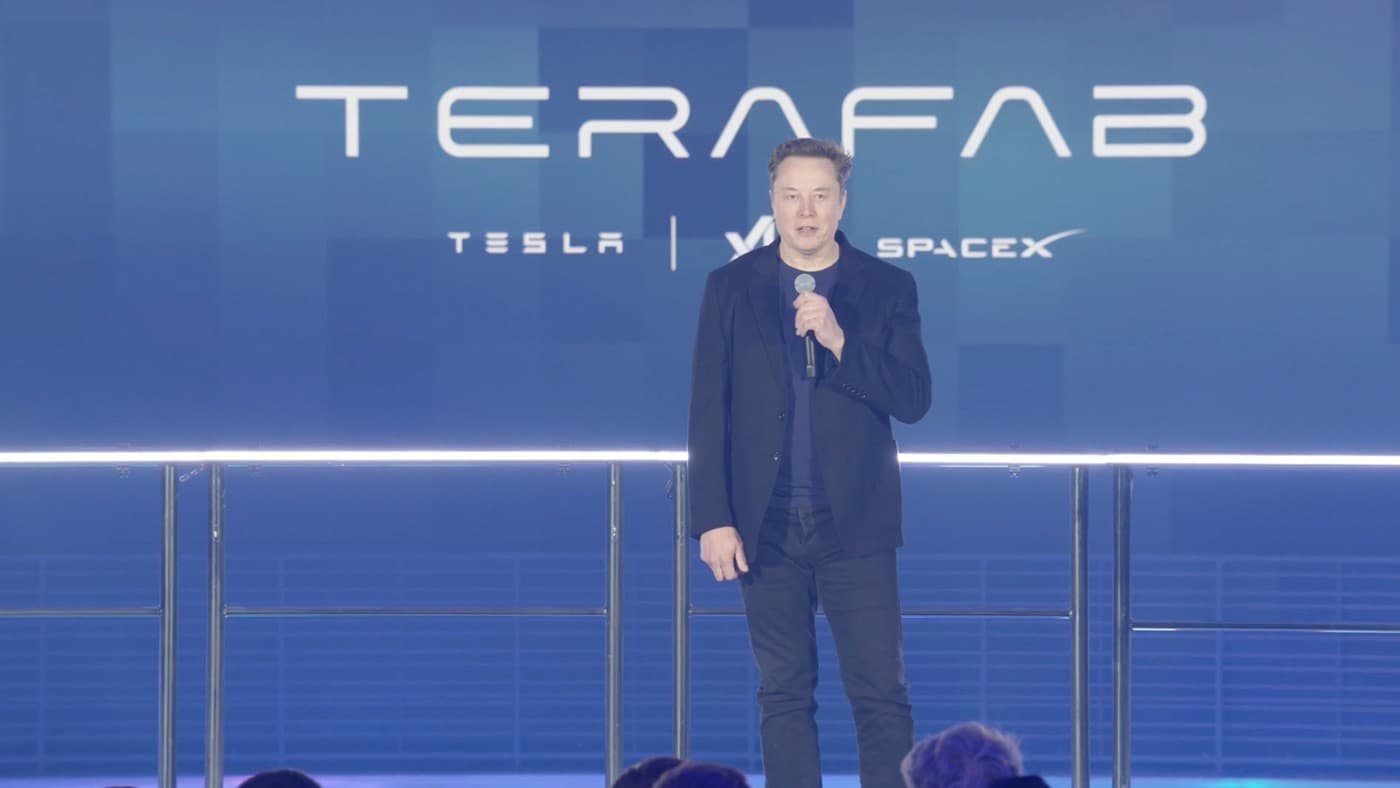
ASML CEO Christophe Fouquet has described Elon Musk as “very serious” regarding his ambitious chip manufacturing initiative known as TeraFab. The project involves plans for a massive semiconductor fabrication facility with investments reaching hundreds of billions of dollars.
Fouquet made the remarks during a recent interview, highlighting Musk’s commitment to the venture. The TeraFab project is envisioned as a large-scale chip production plant that could significantly impact the global semiconductor supply chain.
ASML, a Dutch company, is the leading supplier of photolithography equipment essential for advanced chip manufacturing. The company’s extreme ultraviolet (EUV) lithography machines are critical for producing the most sophisticated semiconductors.
Musk’s TeraFab project would require substantial quantities of ASML’s EUV tools, which cost over $150 million each. Fouquet noted that Musk has been actively engaging with ASML to secure the necessary equipment for the project.
The TeraFab initiative is part of Musk’s broader strategy to reduce reliance on external chip suppliers for his companies, including Tesla, SpaceX, and xAI. By building its own fabrication plant, Musk aims to ensure a stable supply of cutting-edge chips for applications like autonomous driving and artificial intelligence.
Industry analysts have expressed skepticism about the feasibility of such a massive investment, given the technical and financial challenges involved. However, Fouquet’s comments suggest that ASML takes Musk’s plans seriously and is prepared to support the project.
ASML has a history of working with major chipmakers like TSMC, Samsung, and Intel. The company’s EUV technology is considered essential for producing chips at the 7-nanometer node and below.
Fouquet emphasized that ASML is in discussions with Musk’s team to assess the project’s requirements. He declined to provide specific timelines or investment figures, citing confidentiality agreements.
The TeraFab project, if realized, would represent one of the largest semiconductor investments in history, potentially reshaping the industry landscape. ASML’s confirmation of Musk’s seriousness adds credibility to the endeavor, though many details remain undisclosed.

Iran Claims Destruction of 24 US MQ-9 Reaper Drones
Iran announced it has shot down 24 MQ-9 Reaper drones during the conflict. The destroyed systems reportedly cost the US approximately $1 billion.
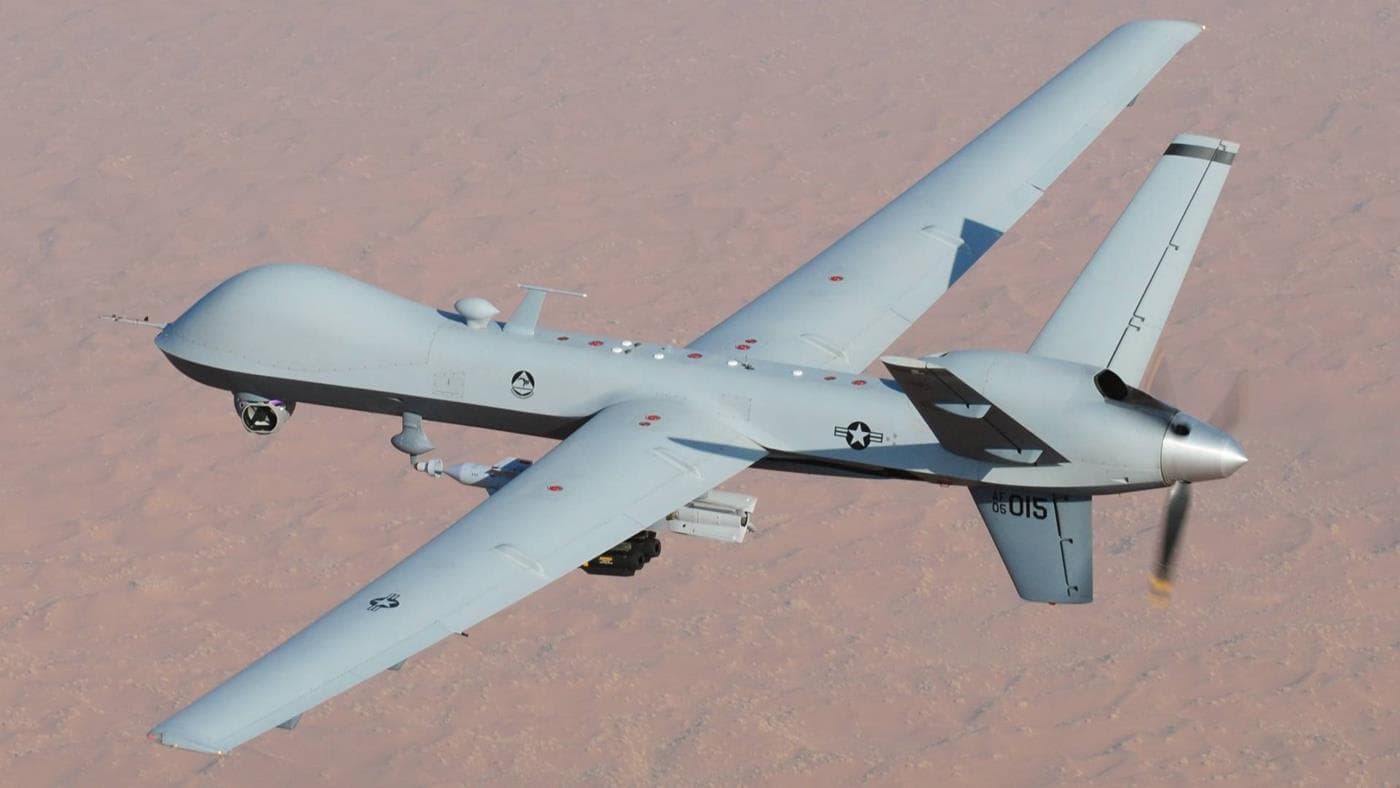
Iran has reported the destruction of 24 MQ-9 Reaper unmanned aerial vehicles throughout the ongoing conflict. The announcement was made by Iranian military officials, who stated that the drones were shot down using domestically developed air defense systems. Each MQ-9 Reaper is valued at around $30 million, bringing the total estimated cost of the downed drones to nearly $1 billion.
The MQ-9 Reaper, manufactured by General Atomics, is a remotely piloted aircraft used primarily for surveillance and precision strikes. It can carry up to four Hellfire missiles and has a flight endurance of over 24 hours. The drone is a key asset for the US military and its allies in various theaters of operation.
Iranian state media broadcast footage claiming to show the wreckage of several drones, though independent verification of the claims has not been possible. The US Department of Defense has not officially commented on the reported losses. Analysts suggest that if confirmed, this would represent a significant setback for US aerial operations in the region.
The downing of the drones is part of a broader pattern of confrontations between Iranian forces and US-operated aircraft. In recent years, Iran has invested heavily in electronic warfare and air defense capabilities, including systems that can target low-observable drones. Tehran has also claimed to have captured and reverse-engineered several US drones in the past.
The conflict has seen increased use of drones by both sides. The US has deployed MQ-9 Reapers for intelligence gathering and targeted strikes against Iranian-backed militias. Iran has employed its own fleet of drones for reconnaissance and attack missions, as well as for targeting enemy assets.
Military experts note that the loss of 24 Reapers would be unprecedented in a single conflict. The US Air Force operates approximately 300 MQ-9s globally. The reported losses could strain US drone operations in the region and prompt a reassessment of tactics and air defense suppression strategies.
Iran's announcement comes amid heightened tensions with the US and its allies. The Islamic Revolutionary Guard Corps has claimed responsibility for the drone downings, stating that they were carried out in defense of Iranian airspace. The US has not confirmed the claims but has acknowledged the loss of some drones due to technical issues or hostile fire.
The financial impact of the reported losses is substantial. Each MQ-9 Reaper costs about $30 million, not including the cost of sensors, weapons, and support equipment. The total replacement cost for 24 drones would exceed $720 million, with additional costs for training and logistics.
Iranian officials have stated that the downed drones were intercepted using a combination of electronic jamming and surface-to-air missiles. They have released images of what they claim are the wreckage of several MQ-9s, though the authenticity of the footage has been questioned. The US has not provided a counter-narrative, leaving the claims unverified.
The reported destruction of 24 MQ-9 Reapers, if accurate, would mark a significant escalation in the conflict and a major blow to US aerial capabilities. The US military has not issued an official statement regarding the claims, and independent verification remains elusive.

Nvidia Posts Record $81.6 Billion Quarterly Revenue on AI Spending Boom
Nvidia reported record quarterly revenue of $81.6 billion, surpassing Wall Street expectations, driven by surging demand for its AI hardware. The company's data center segment saw a 93% year-over-year increase in revenue.
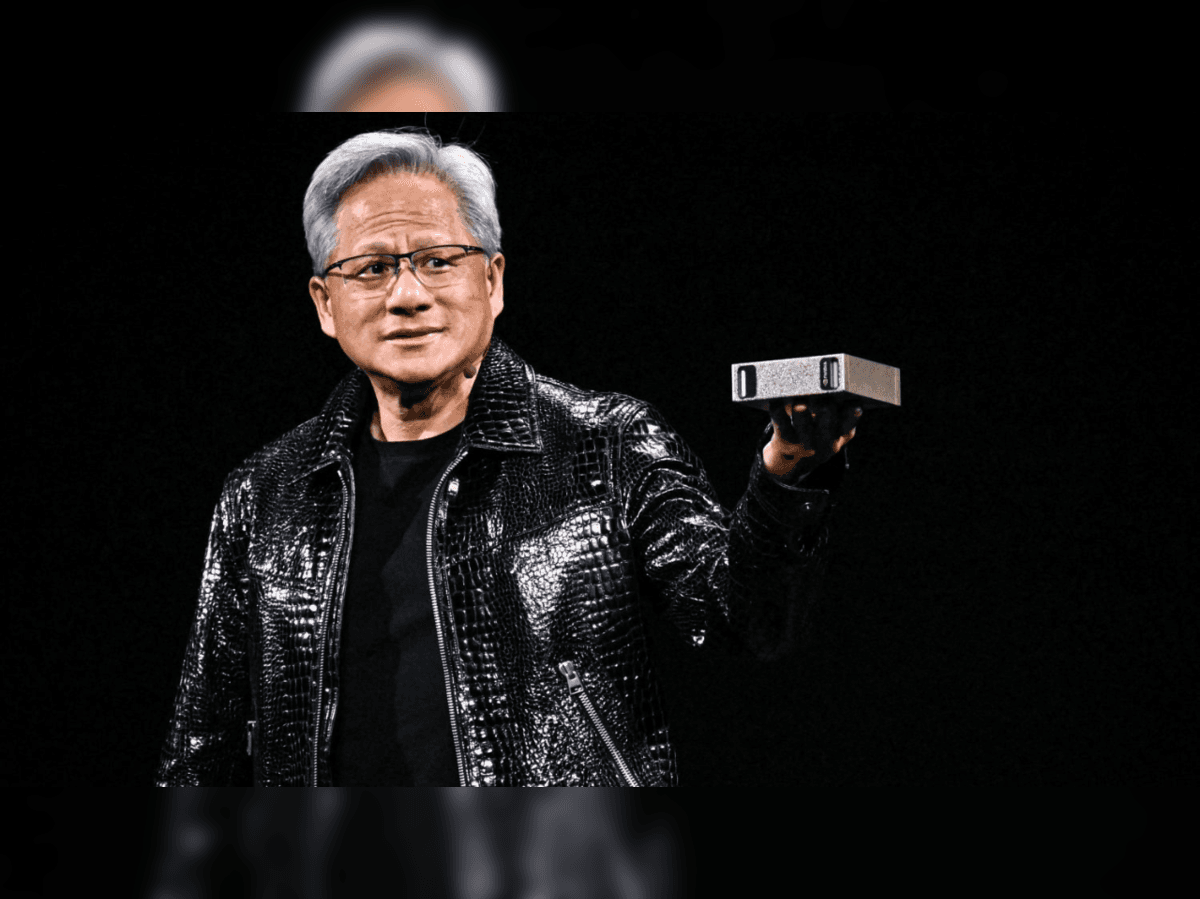
Nvidia announced record quarterly revenue of $81.6 billion on Wednesday, exceeding analyst forecasts as demand for its artificial intelligence hardware continues to surge. The chipmaker's data center business, which includes its H100 and Blackwell GPU lines, generated $71.2 billion in revenue, a 93% increase compared to the same period last year. Nvidia's gaming segment contributed $3.2 billion, up 15% year-over-year, while professional visualization and automotive divisions posted modest gains.
Chief Executive Jensen Huang attributed the results to an "accelerating" shift toward AI computing, with enterprises and cloud providers investing heavily in Nvidia's chips to train and deploy large language models. "The world is moving from general-purpose computing to accelerated computing," Huang said in a statement. "Nvidia is at the center of this transformation."
The company's net income for the quarter reached $37.4 billion, or $1.51 per diluted share, compared to $12.3 billion, or $0.49 per share, a year earlier. Gross margin expanded to 73.5% from 64.6% in the prior-year quarter, reflecting higher average selling prices for its data center products.
Nvidia's Blackwell architecture, which began shipping in volume during the quarter, contributed to the revenue surge. The company said demand for Blackwell-based systems remains "extraordinary," with supply constraints expected to persist through the first half of fiscal 2026. Nvidia also noted that its networking business, including InfiniBand and Ethernet switches, grew 50% year-over-year to $4.1 billion.
For the current quarter, Nvidia forecast revenue of $89 billion, plus or minus 2%, above the average analyst estimate of $82.5 billion. The company expects continued growth in data center spending as AI adoption broadens beyond hyperscalers to enterprise and government customers.
Nvidia's board authorized a $50 billion share buyback program, signaling confidence in the company's financial outlook. The company also declared a quarterly cash dividend of $0.01 per share, payable on March 28, 2025.
Shares of Nvidia rose 3.5% in after-hours trading following the earnings release. The stock has gained more than 140% over the past 12 months, making Nvidia one of the most valuable companies in the world with a market capitalization exceeding $3 trillion.
"The next wave of AI is industrial robotics and autonomous systems," Huang said during the earnings call. "We are seeing early adoption in manufacturing, healthcare, and energy, which will drive demand for years to come."