
Honda invests in Nexeon for silicon anode battery technology
Honda has invested in Nexeon, a developer of silicon-based anode materials for lithium-ion batteries. The move comes despite Honda's recent cancellation of some electric vehicle projects.
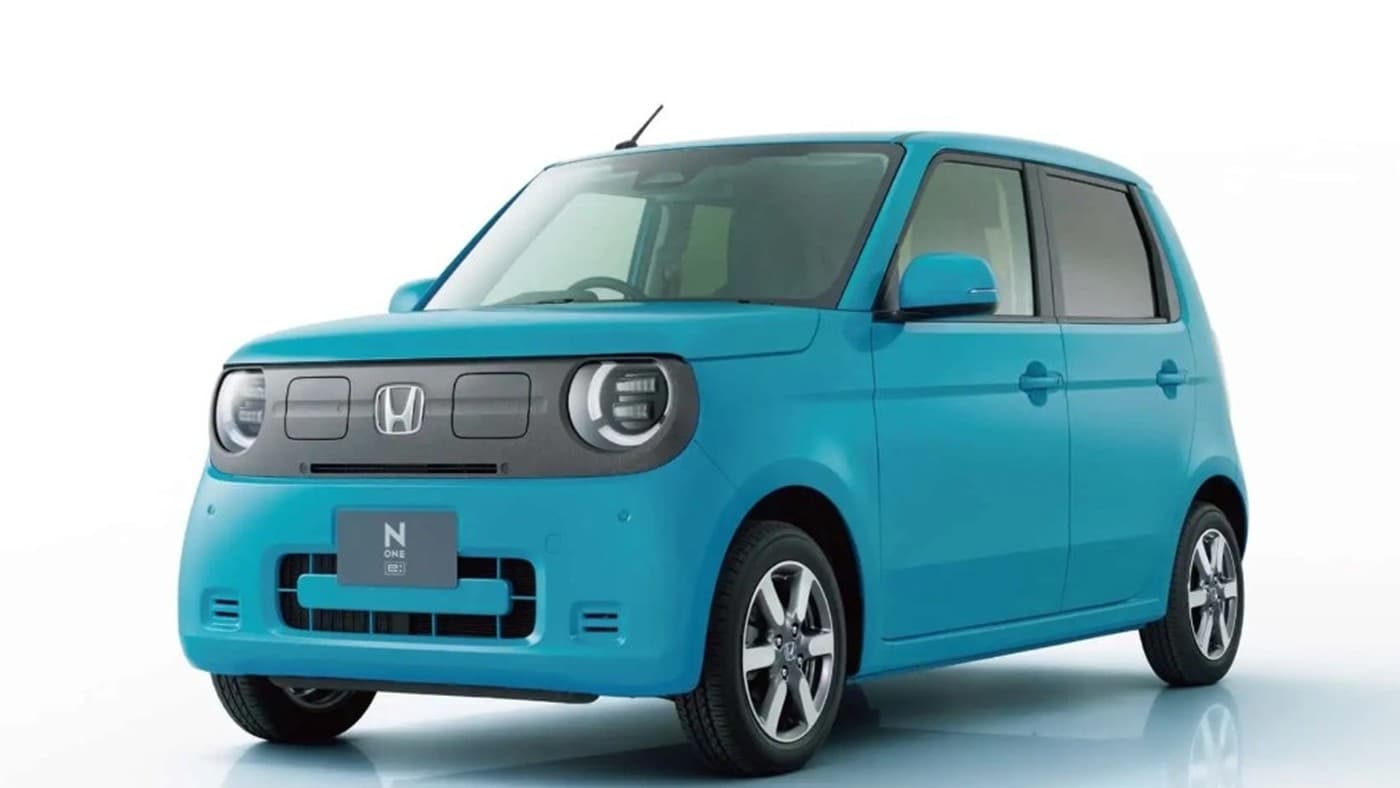
Honda has made a strategic investment in Nexeon, a UK-based company specializing in silicon anode materials for lithium-ion batteries. The Japanese automaker's move signals continued interest in advanced battery technology even as it has canceled some electric vehicle projects. Financial terms of the investment were not disclosed.
Nexeon's technology replaces traditional graphite anodes with silicon, which can store significantly more lithium ions. This approach promises higher energy density and faster charging times for batteries. The company has been developing its silicon anode materials for over a decade and holds numerous patents in the field.
Honda's investment aligns with its broader electrification strategy, which includes hybrid and fuel cell vehicles alongside battery electrics. The company has stated it aims to achieve carbon neutrality by 2050. Nexeon's technology could be applied to Honda's future battery systems, potentially improving range and performance.
The investment comes at a time when many automakers are racing to secure battery supply chains and next-generation technologies. Silicon anodes are seen as a key advancement over current graphite-based designs, offering up to 50% higher energy density. However, challenges such as silicon's expansion during charging have limited commercial adoption.
Nexeon has raised over $100 million to date from investors including Invesco and Sumitomo Corporation. The company operates a pilot plant in the UK and plans to scale up production. Honda's investment may help accelerate commercialization of the technology.
Honda has not specified which vehicle platforms might use Nexeon's materials. The company recently announced it would cancel its partnership with General Motors to develop affordable electric vehicles, but reaffirmed its commitment to electrification. Honda plans to launch 30 electric vehicle models globally by 2030.
The investment was announced on March 8, 2023. Honda and Nexeon will collaborate on further development of silicon anode technology for automotive applications. No timeline for production-ready batteries was provided. Honda stated the investment will support its goal of achieving carbon neutrality by 2050.
Lynk & Co Launches 10 Series EV Sedan with 816 km Range, 5.5-Minute Fast Charging
Geely's Lynk & Co brand has launched its new 10 series electric sedan, offering up to 816 km range and 912 hp. The vehicle supports ultra-fast charging from 10% to 80% in just 5.5 minutes, with a starting price around $25,000.
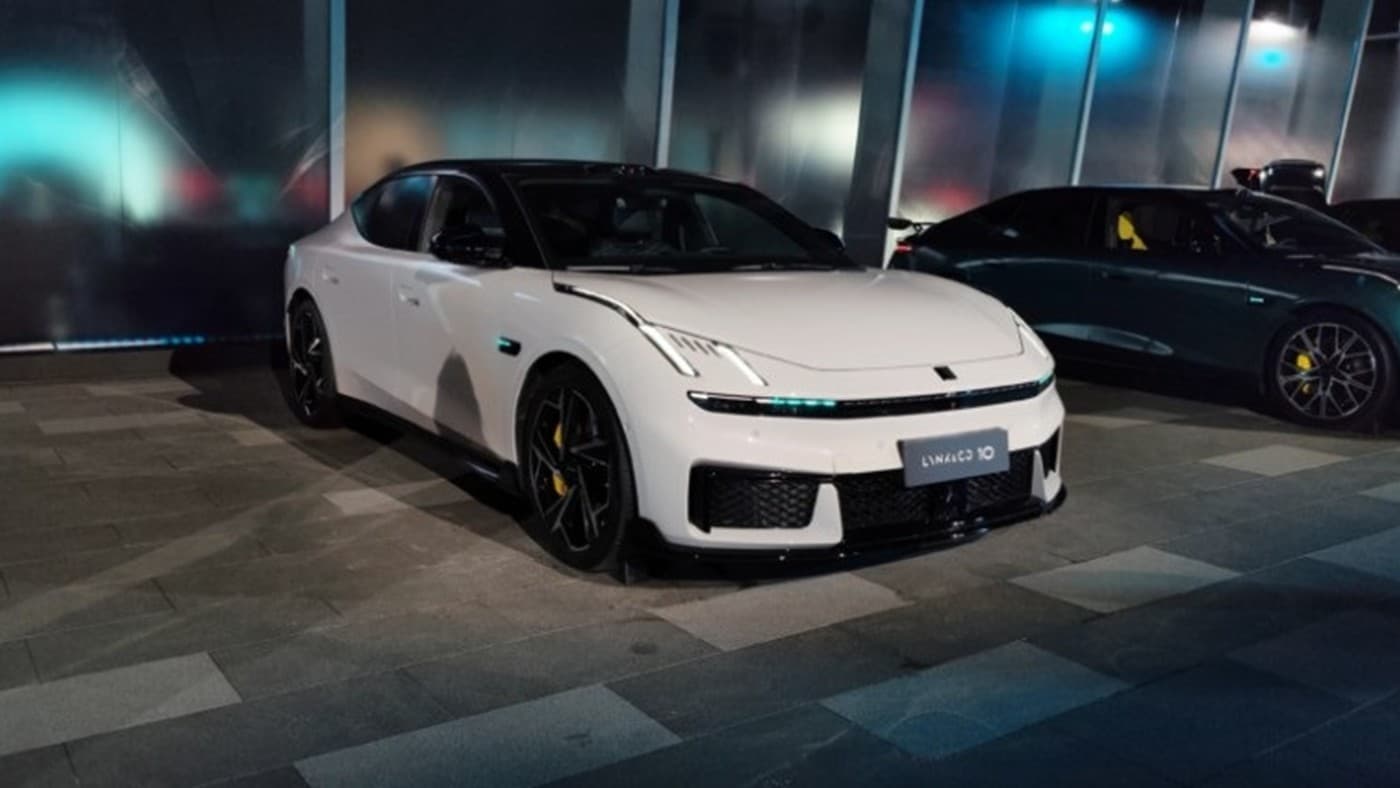
Geely's premium brand Lynk & Co has officially launched its new electric sedan family, the 10 series, in the Chinese market. The model is positioned as a high-performance electric vehicle with competitive pricing and advanced charging capabilities.
The 10 series sedan boasts an impressive range of up to 816 kilometers on a single charge, according to the company. It also delivers up to 912 horsepower, placing it among the more powerful electric sedans available.
One of the standout features is the ultra-fast charging technology. Lynk & Co claims the vehicle can charge from 10% to 80% in just 5.5 minutes, a significant improvement over many current EVs. This is achieved through an 800-volt architecture and a high-power charging system.
The vehicle is built on Geely's Sustainable Experience Architecture (SEA), which also underpins other electric models from the group. The 10 series is available in multiple variants, including rear-wheel drive and all-wheel drive configurations.
Lynk & Co has positioned the 10 series as a direct competitor to models like the Tesla Model 3 and Nio ET5. The starting price is approximately 180,000 yuan, which translates to roughly $25,000, making it one of the more affordable high-performance EVs in China.
Sales have already begun in China, with deliveries expected to start in the coming weeks. The company has not yet announced plans for international markets, but Lynk & Co has previously expanded to Europe, suggesting a potential global rollout.
The 10 series also features a minimalist interior design with a large central touchscreen and a digital instrument cluster. Advanced driver-assistance systems are included, with over-the-air update capability.
Lynk & Co stated that the 10 series represents a new benchmark for electric sedan performance and charging speed. The company emphasized its commitment to making high-performance EVs accessible to a broader audience.

Mitsubishi Revives Pajero Nameplate for New Off-Road SUV
Mitsubishi is bringing back the legendary Pajero nameplate after years. The next-generation off-road vehicle features a ladder frame chassis, four-wheel drive, and a new SUV family design.
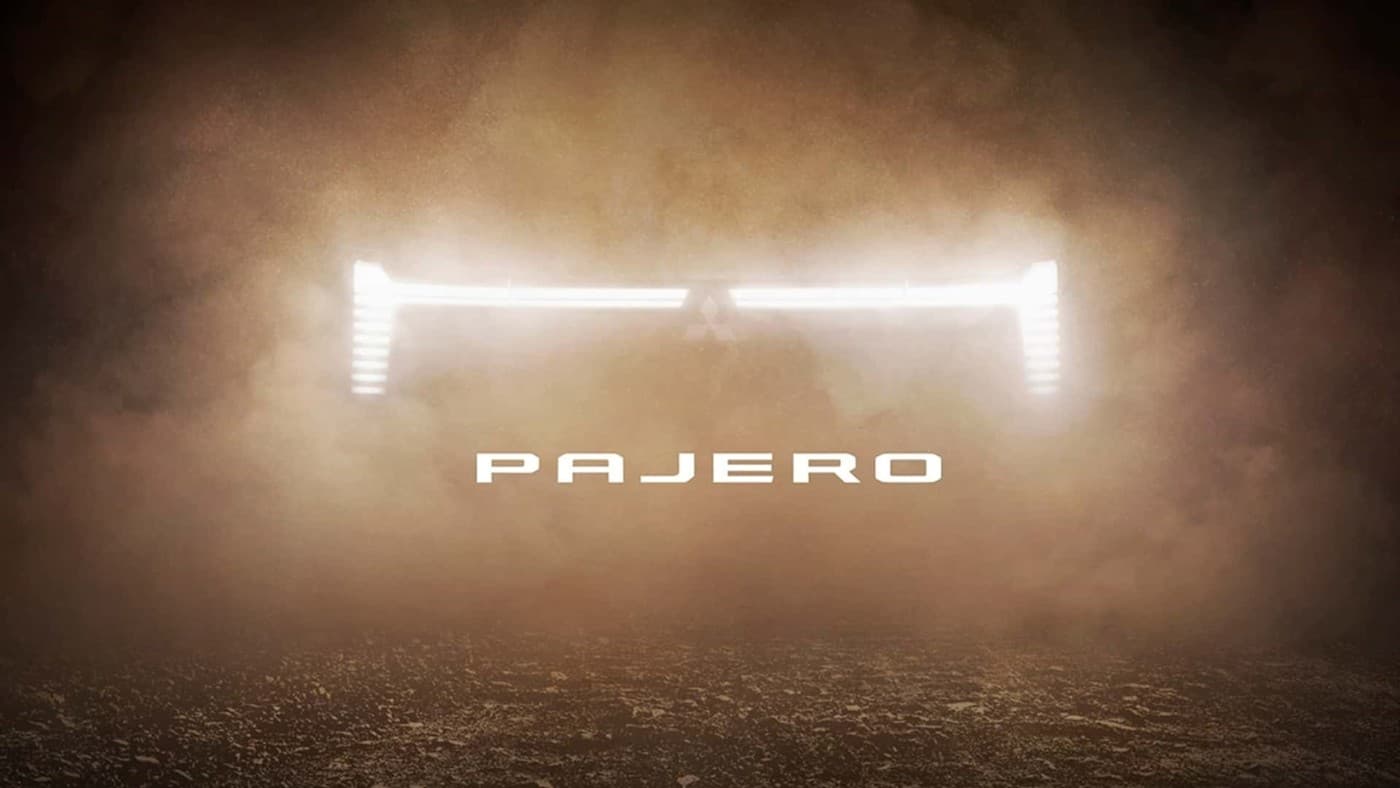
Mitsubishi has announced the return of the iconic Pajero nameplate, reviving its legendary off-road SUV after a prolonged hiatus. The new generation model will adopt a ladder frame chassis structure, a hallmark of rugged off-road capability, paired with an advanced four-wheel drive system. The vehicle is set to debut as part of a new SUV family, signaling Mitsubishi's renewed focus on the off-road segment.
The ladder frame chassis provides superior durability and torsional rigidity, essential for tackling challenging terrains. The four-wheel drive system is expected to incorporate Mitsubishi's Super Select 4WD technology, offering multiple drive modes for on-road and off-road conditions. The new Pajero will also feature a redesigned exterior with boxy proportions and a bold front grille, aligning with Mitsubishi's current design language.
Under the hood, the Pajero is likely to offer a range of powertrains, including a plug-in hybrid option, reflecting the industry's shift toward electrification. Mitsubishi has not confirmed specific engine details, but the model is expected to prioritize fuel efficiency and low emissions without compromising off-road performance. The interior will feature a modern cabin with a large touchscreen infotainment system and advanced driver assistance systems.
The revival of the Pajero name comes as Mitsubishi aims to strengthen its presence in the SUV market, particularly in regions like the Middle East, Southeast Asia, and Australia where the original Pajero was popular. The new model will compete with established off-roaders such as the Toyota Land Cruiser and Ford Bronco. Mitsubishi plans to position the Pajero as a premium off-road vehicle, blending heritage with modern technology.
Production is expected to take place at Mitsubishi's plant in Japan, with global sales commencing in late 2025. Pricing details have not been announced, but analysts anticipate a starting price around $45,000 for base models. The Pajero will be available in multiple trims, including a high-performance variant with enhanced suspension and off-road equipment.
Mitsubishi has not yet revealed the official launch date, but the company confirmed that the new Pajero will make its public debut at a major auto show in 2025. The automaker emphasized that the model will honor the legacy of its predecessor while incorporating cutting-edge technology. "The Pajero name represents a rich heritage of off-road excellence, and we are committed to delivering a vehicle that lives up to that legacy," a Mitsubishi spokesperson said.

BYD to Cover Accident Costs for 'God's Eye' Autonomous Driving System
Chinese automaker BYD announced a new assurance program for its 'God's Eye' autonomous driving system, covering accident costs to relieve users of liability. The program aims to boost consumer confidence in self-driving technology.
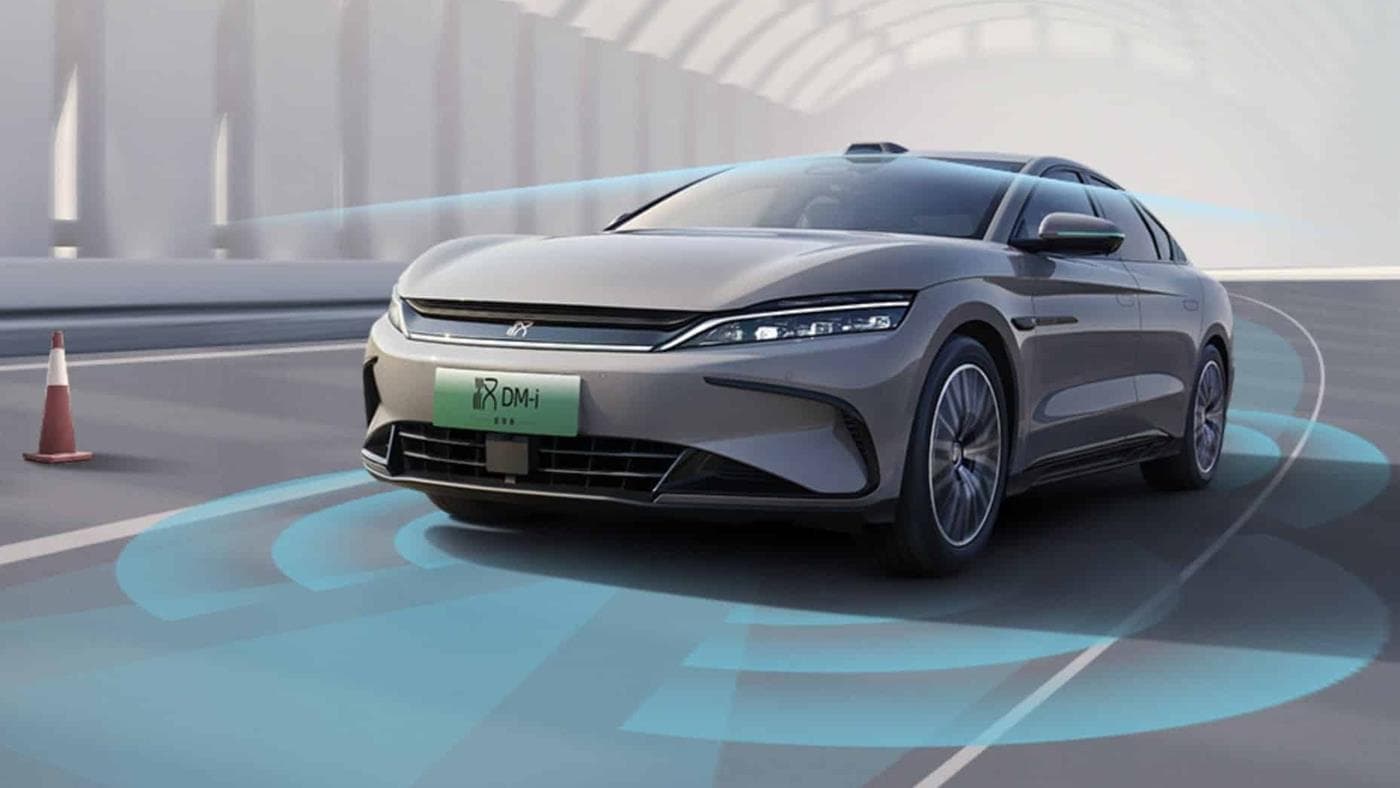
BYD, the Chinese automotive giant, has introduced a pioneering assurance program for its 'God's Eye' autonomous driving system. The initiative eliminates users' financial responsibility in the event of accidents involving the system. This marks a first in the industry, as automakers typically hold drivers liable for incidents during autonomous operation.
The 'God's Eye' system, developed by BYD, offers advanced driver-assistance features. The company stated that the program covers all accident-related costs when the system is engaged. BYD emphasized that this move is designed to build trust among consumers hesitant about autonomous technology.
Under the program, BYD will assume full liability for damages, repairs, and medical expenses resulting from crashes. The coverage applies to both the vehicle and third-party property. BYD clarified that the program does not require additional fees or subscriptions from customers.
BYD's decision comes amid growing scrutiny of autonomous driving safety. Competitors like Tesla and Waymo have faced legal challenges over accident liability. BYD aims to differentiate itself by offering this comprehensive coverage, potentially setting a new industry standard.
The program will initially launch in China, where BYD has a strong market presence. The company plans to expand it to other regions as regulatory approvals are obtained. BYD did not specify a timeline for international rollout.
BYD's 'God's Eye' system is available on select models, including the Han and Tang series. The company has not disclosed the total number of vehicles equipped with the system. BYD expects the assurance program to accelerate adoption of its autonomous driving features.
Industry analysts view this as a strategic move to capture market share in the premium EV segment. BYD's approach could pressure rivals to offer similar guarantees. The program reflects BYD's confidence in the reliability of its autonomous driving technology.
BYD stated, 'We are committed to making autonomous driving safe and accessible for everyone. This program removes the financial burden from our customers.' The company will provide detailed terms and conditions on its official website.

F1 reliability concerns emerge after years of stability in 2026 season
After a period of consistent reliability, Formula 1 teams are facing new challenges in 2026, with mechanical issues affecting race outcomes. The Canadian Grand Prix highlighted these concerns as several drivers experienced problems.
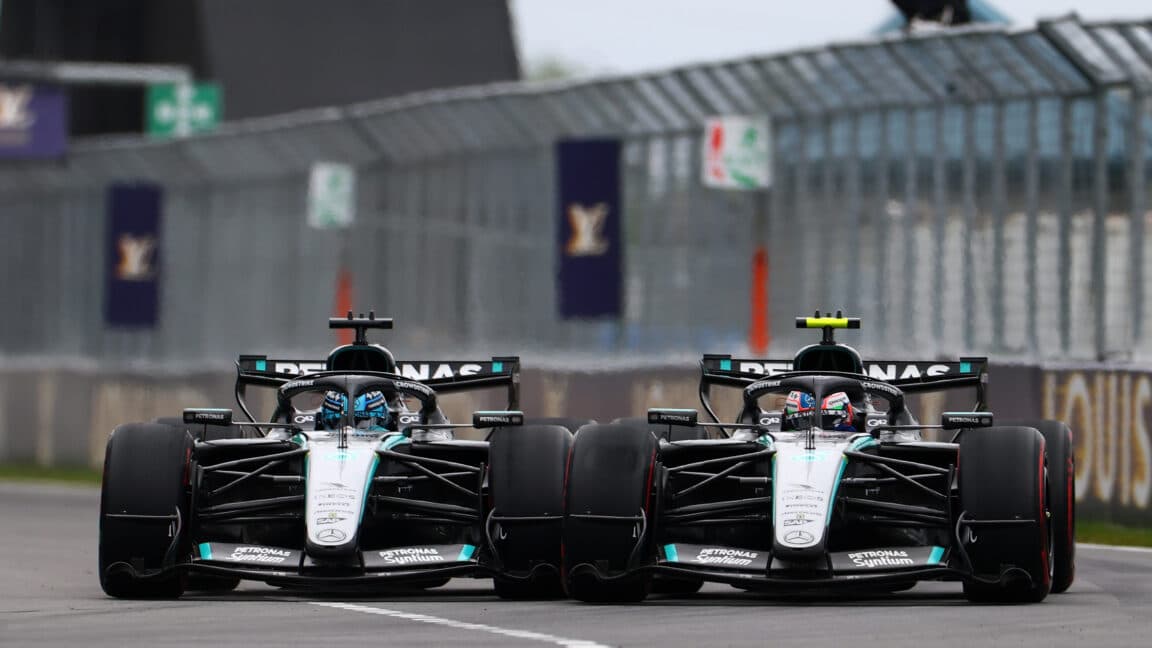
Formula 1's reputation for mechanical reliability has been shaken in the 2026 season, with a series of technical failures disrupting races. The Canadian Grand Prix, held on the artificial island built for Expo 67, saw multiple retirements due to engine and gearbox issues. Teams that had enjoyed years of trouble-free operation are now grappling with unexpected breakdowns.
Mercedes driver Kimi Antonelli extended his championship lead with a fourth consecutive victory in Canada. The 19-year-old Italian now holds a 43-point advantage over teammate George Russell. With 25 points awarded for a win, Russell faces a deficit equivalent to two race victories, a precarious position when competing with identical machinery.
The weekend was a sprint event, limiting practice time for teams to gather data on their upgrade packages. Several teams introduced new components in Montreal, but not all performed as expected. Reliability problems affected both power unit manufacturers and chassis suppliers, raising questions about the direction of technical development.
Ferrari, which unveiled its new electric vehicle during the race weekend, also struggled with reliability. The team's drivers reported inconsistent power delivery and braking issues during the race. Other midfield teams experienced similar problems, with some failing to finish the 70-lap event.
The trend of reduced reliability marks a departure from recent seasons, where mechanical failures were rare. In 2024 and 2025, the average number of race retirements per event was below three. In 2026, that figure has climbed to nearly five, according to team data.
Drivers have expressed frustration with the situation, noting that races are increasingly decided by reliability rather than driver skill. The Canadian Grand Prix winner, Antonelli, acknowledged that his victory was aided by the retirements of several rivals. He stated that the team is working to understand the root causes of the issues.
Teams are now prioritizing reliability upgrades over performance gains for the next races. The championship battle may hinge on which team can best address these mechanical concerns. The next event, the Austrian Grand Prix, will provide another test of the cars' durability.
Formula 1's governing body, the FIA, has not yet commented on the reliability trend. However, sources indicate that technical directives may be issued to address common failure modes. The 2026 season continues with the Austrian Grand Prix on June 30.