Kenyan court blocks US plan to send Ebola-exposed Americans to Kenya
A Kenyan court has blocked a Trump administration plan to establish a quarantine and treatment facility for Americans exposed to Ebola in Kenya. The Katiba Institute filed a petition challenging the facility, stalling the plan that was set to begin operations on May 29.

The Trump administration's plan to send Americans exposed to Ebola to Kenya for quarantine and treatment has been blocked by a Kenyan court. The administration had devised the plan amid the ongoing Ebola outbreak in the Democratic Republic of the Congo, refusing to repatriate the exposed individuals to the United States. Instead, officials aimed to establish a makeshift facility in Kenya, about 120 miles north of Nairobi in Laikipia, where the US operates an air base.
The initial phase of the plan involved setting up a 50-bed quarantine facility, which was expected to become operational on May 29. In a subsequent phase, officials intended to establish isolation and biocontainment units to house Americans infected with the virus. However, the Katiba Institute, a Kenyan advocacy group focused on constitutional rights, filed a petition on Thursday challenging the establishment of the facility.
The court's decision has stalled the plan, leaving US officials scrambling to find alternative locations. The Katiba Institute argued that the facility would violate Kenyan constitutional rights and posed health risks to the local population. The Trump administration has not publicly commented on the court ruling or outlined next steps.
The US government has specialized biocontainment facilities capable of handling Ebola cases, such as those at the National Institutes of Health in Maryland and Emory University in Atlanta. Despite this, the administration opted to seek a location in Kenya, raising questions about its rationale. The Ebola outbreak in the DRC has infected thousands and killed hundreds, with the World Health Organization declaring it a public health emergency of international concern.
Kenya has not reported any Ebola cases during the current outbreak, but the proposed facility sparked fears among local communities and activists. The Katiba Institute's petition highlighted concerns about inadequate consultation with Kenyan authorities and potential environmental and health impacts. The court has not yet set a date for a full hearing on the matter.
As of now, the US government has not disclosed how many Americans are exposed to Ebola or where they are currently located. The administration's efforts to find another country willing to host the facility continue, but no agreements have been announced. The Trump administration has faced criticism for its handling of the Ebola response, including cuts to funding for global health security.
The Katiba Institute's legal challenge has effectively halted the plan, at least temporarily. The organization stated that the facility would have violated Kenyan sovereignty and constitutional protections. The court's intervention underscores the legal and diplomatic hurdles the US faces in executing its Ebola response strategy.
Book traces anti-vaccine arguments back to origins of inoculation
Thomas Levenson's new book 'A Pox on Fools' categorizes anti-vaccine arguments into three types: wrong, bad, and intolerable. The book traces these arguments back to the early 18th century when inoculation against smallpox was first introduced.
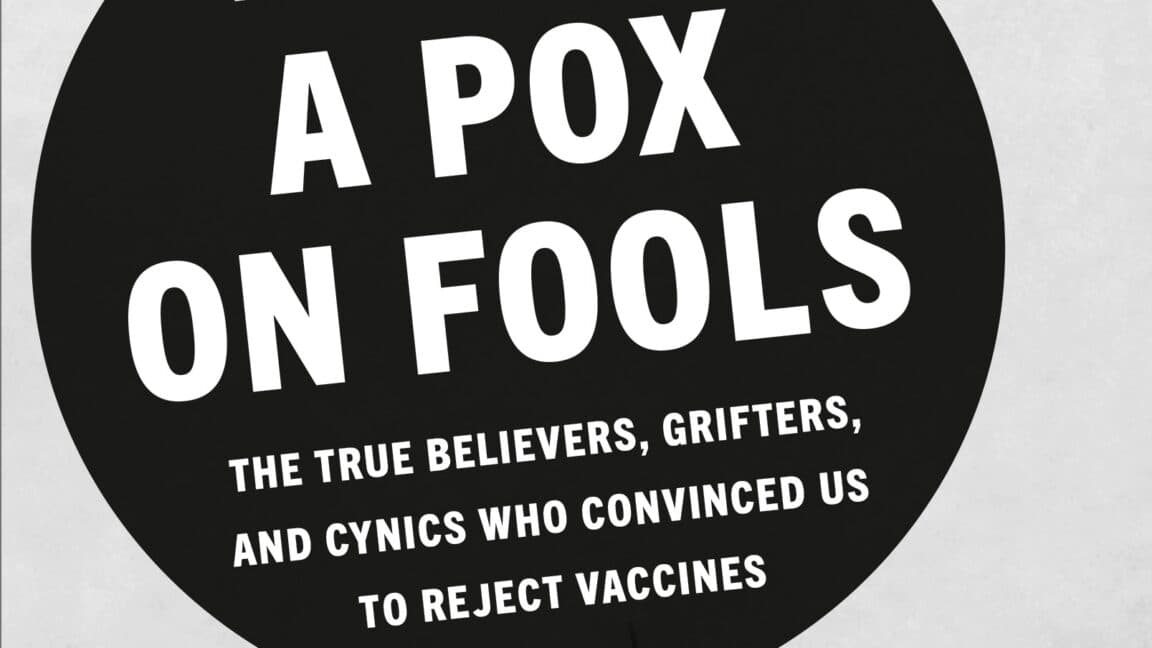
Stanley Plotkin, a 93-year-old vaccine developer, recently expressed regret for living long enough to see public health progress reverse. Plotkin's sentiment reflects a broader frustration among scientists as anti-vaccine sentiment persists. Thomas Levenson's new book 'A Pox on Fools' examines the historical roots of vaccine opposition. The book's subtitle identifies three groups behind the movement: true believers, grifters, and cynics. Levenson argues that the accusations these groups levy against vaccines can be categorized as wrong, bad, and intolerable.
Levenson traces the origins of anti-vaccine arguments to the early 18th century. At that time, a few Westerners learned about smallpox inoculation from Ottoman women and an enslaved African. Infectious disease was then the leading cause of death, as it had been for centuries. In the 19th century, roughly 40 percent of infants died from infection before age five. Despite the clear benefits of vaccination, opposition emerged almost immediately.
The book breaks down the arguments into three categories. The first category, 'wrong,' includes claims that vaccines are ineffective or cause disease. The second, 'bad,' encompasses moral objections, such as the belief that vaccines interfere with divine will. The third, 'intolerable,' involves accusations of government overreach or conspiracy. Levenson shows that these same arguments have recurred for centuries, adapting to new vaccines and technologies.
Levenson's analysis highlights the role of grifters who profit from spreading misinformation. Cynics exploit public fear for political or financial gain. True believers, meanwhile, are genuinely convinced of the dangers of vaccines, often due to misinformation. The book argues that understanding these categories is essential for countering anti-vaccine rhetoric.
The historical perspective reveals that anti-vaccine arguments are not new. They have persisted since the first inoculations, evolving with each new vaccine. Levenson's work aims to provide context for the current resurgence of vaccine hesitancy. By recognizing the patterns, public health advocates can better address the root causes of opposition.
'A Pox on Fools' is available now from Basic Books. The book offers a comprehensive history of vaccine opposition, from smallpox to COVID-19. Levenson, a professor at MIT, combines historical research with analysis of contemporary anti-vaccine movements. The book has received positive reviews for its clear-eyed examination of a contentious topic.
Plotkin's regret underscores the stakes of the ongoing battle against vaccine misinformation. Levenson's book provides a framework for understanding why such misinformation persists. The author concludes that recognizing the enduring nature of these arguments is the first step toward overcoming them.

Gene-editing drug VERVE-102 cuts bad cholesterol 62% in early trial
An experimental gene-editing therapy called VERVE-102 reduced LDL cholesterol by 62% in a small Phase I trial with 35 patients. The drug appeared safe with no serious adverse events, though a temporary mild liver enzyme increase was observed.

An experimental gene-editing therapy designed to lower bad cholesterol long-term after a single infusion has shown promising early results. Researchers running a Phase I safety trial for the drug, named VERVE-102, published interim data from 35 patients in the New England Journal of Medicine this week. The findings are preliminary but indicate the treatment is safe, with no serious adverse events reported even at the highest doses. A temporary, mild increase in a liver enzyme was observed, suggesting minor injury in the liver where the drug acts.
The small dataset also hints at the drug's effectiveness. Participants who received the largest dose experienced a 62 percent drop in their low-density lipoprotein (LDL), or bad cholesterol, bringing the mean level to 78 mg per deciliter. For individuals with high cholesterol, like those in the trial, such a reduction could lower the risk of cardiovascular disease from arterial plaque buildup by an estimated 50 percent if sustained over 20 years. The trial has up to 18 months of follow-up data so far, and the positive effects appear to be holding up across all subgroups.
VERVE-102 is an investigational therapy that uses gene editing to permanently modify a gene in the liver, aiming to reduce LDL production. The approach targets the PCSK9 gene, which regulates cholesterol levels. By editing this gene, the therapy seeks to provide a one-time treatment for high cholesterol, potentially eliminating the need for daily statin pills. The current standard of care for high cholesterol includes statins and other medications that require ongoing adherence.
The Phase I trial enrolled patients with heterozygous familial hypercholesterolemia or established atherosclerotic cardiovascular disease, conditions that put them at high risk for heart attacks and strokes. The primary goal was to assess safety, but researchers also measured LDL reductions as a secondary endpoint. The 62 percent reduction in the high-dose group exceeded expectations, though the small sample size limits the strength of the conclusion.
VERVE-102 is administered as a single intravenous infusion. The therapy uses a lipid nanoparticle to deliver a base-editing system to liver cells, where it makes a precise change in the PCSK9 gene. This approach differs from other gene-editing therapies that use CRISPR-Cas9, as base editing can alter a single DNA letter without cutting the double helix. The company behind the drug, Verve Therapeutics, is also developing similar therapies for other conditions.
The trial is ongoing, and researchers plan to enroll additional patients to further evaluate safety and efficacy. Longer follow-up is needed to confirm that the LDL reductions are durable and to monitor for any late-emerging side effects. The mild liver enzyme elevation resolved on its own in most cases, but investigators will continue to watch for any signs of liver damage.
If VERVE-102 proves safe and effective in larger trials, it could offer a transformative option for patients with high cholesterol who struggle with daily medication. The therapy is still years away from potential regulatory approval, as Phase II and III trials are required to confirm its benefits and risks. Verve Therapeutics has stated that it plans to move forward with larger studies.
The interim results were published in the New England Journal of Medicine on [date not specified in source]. The company has not yet announced a timeline for the next phase of clinical development. All data presented are from the ongoing Phase I trial, which is registered at ClinicalTrials.gov.

Spider-Noir Series Premieres on Amazon Prime Video with Nicolas Cage
Spider-Noir, a unique take on the Spider-Man character starring Nicolas Cage, premiered today on Amazon Prime Video. Early reviews are promising.

A radically different portrayal of Spider-Man has arrived on screens. Spider-Noir, the new series featuring Nicolas Cage in the lead role, launched today on Amazon Prime Video. The show presents a version of the web-slinger that diverges significantly from the familiar iterations audiences have come to expect.
Nicolas Cage steps into the role of Spider-Man in this noir-inspired adaptation. The series draws from the comic book universe where Peter Parker operates in 1930s New York City during the Great Depression. This setting brings a gritty, detective-story aesthetic to the superhero genre.
Early critical reception has been encouraging. Reviewers have highlighted Cage's performance as a standout element, noting his ability to bring both gravitas and eccentricity to the character. The show's visual style, which mimics film noir techniques, has also drawn praise for its atmospheric cinematography and period-accurate production design.
The series follows an older, world-weary Peter Parker who fights crime in a monochrome world. Unlike the traditional Spider-Man narrative, this version emphasizes detective work and moral ambiguity over super-heroics. The plot reportedly involves a mystery that forces Parker to confront his past and the consequences of his choices.
Amazon Prime Video is streaming Spider-Noir exclusively. The platform has been expanding its original content portfolio, and this series represents a significant investment in superhero storytelling with a distinct creative vision. The show is produced by Sony Pictures Television in association with Amazon Studios.
All episodes of the first season are available for streaming immediately upon release. Subscribers can access the series on Amazon Prime Video across supported devices. The show is rated TV-MA for mature content, reflecting its darker tone and themes.
Nicolas Cage's involvement has generated considerable buzz, given his reputation for taking on unconventional roles. The actor has expressed enthusiasm for the project, describing it as a fresh take on a beloved character. The series is expected to appeal to both Spider-Man fans and viewers interested in noir storytelling.
Spider-Noir is now streaming on Amazon Prime Video. The first season consists of eight episodes, each approximately 45 minutes in length.

DC Films faces early setback as Supergirl box office projections fall short of The Marvels
Early box office projections for DC Films' upcoming Supergirl movie suggest it may underperform, potentially earning less than Marvel's The Marvels. The disappointing forecasts raise concerns about the new DC cinematic universe led by James Gunn.
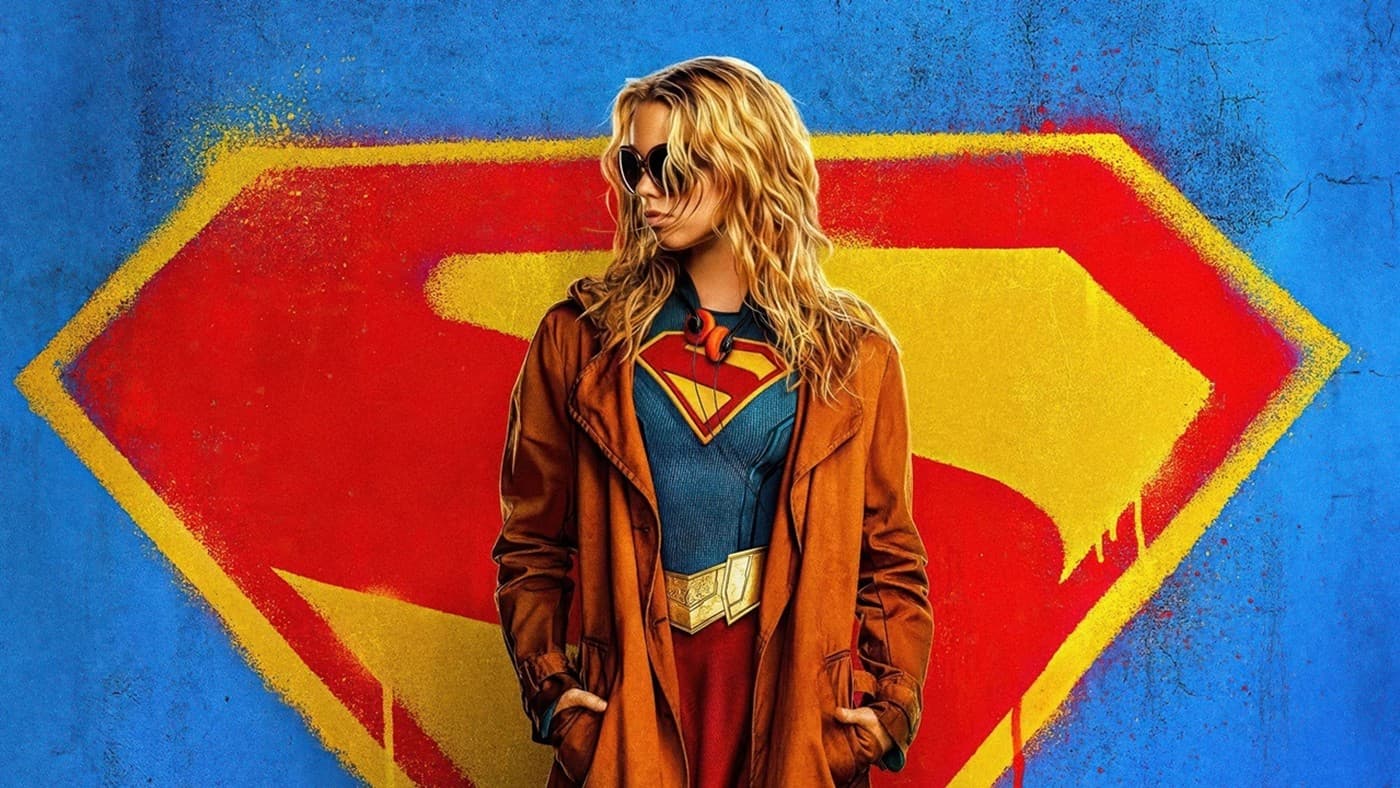
DC Films, under the leadership of James Gunn, is attempting to build a new cinematic universe. However, early box office projections for the upcoming Supergirl movie indicate potential trouble. Analysts suggest the film may earn less than Marvel's The Marvels, which itself underperformed at the box office.
The projections come from initial tracking data shared by industry insiders. The numbers paint a grim picture for the DC superhero film, which is expected to debut in theaters later this year. The Marvels, released in 2023, grossed approximately $206 million worldwide, a disappointing figure for a Marvel Studios production.
Supergirl's projected earnings are reportedly even lower than that benchmark. The film is part of DC's new slate of movies under Gunn and Peter Safran's leadership. The duo has outlined a ten-year plan for the DC Universe, with Supergirl being one of the early entries.
The film stars Milly Alcock as Supergirl, taking over the role from previous portrayals. The cast also includes Matthias Schoenaerts as the villain and Eve Ridley in an undisclosed role. The movie is directed by Craig Gillespie, known for I, Tonya and Cruella.
Industry observers point to several factors that may contribute to the low projections. The DC brand has faced challenges in recent years, with several films underperforming at the box office. Additionally, the character of Supergirl may not have the same level of mainstream recognition as Superman or Batman.
The film's release date is set for June 26, 2026. It will face competition from other summer blockbusters, including an untitled Marvel film and a new installment in the Fast & Furious franchise. The crowded release calendar could further impact its box office performance.
DC Films has not commented on the projections. The studio is likely hoping that positive word-of-mouth and strong marketing campaigns can boost the film's performance closer to its release. However, the early numbers suggest an uphill battle for the new DC universe.
Supergirl is scheduled to hit theaters on June 26, 2026.