
MediaTek Introduces Dimensity 7500 Chipset for Mid-Range Smartphones
MediaTek has officially launched the Dimensity 7500 processor for mid-range smartphones. The new chipset brings notable improvements in AI, gaming performance, and camera capabilities.
MediaTek has officially announced its new Dimensity 7500 chipset, targeting the mid-range smartphone segment. The processor is designed to deliver enhanced performance in artificial intelligence, gaming, and photography. The announcement was made through the company's official channels.
The Dimensity 7500 is built on a 4nm manufacturing process, which MediaTek says improves power efficiency and performance. The chipset features an octa-core CPU with two Cortex-A78 performance cores clocked at up to 2.5GHz and six Cortex-A55 efficiency cores. The GPU is a Mali-G610 MC3.
On the AI front, the Dimensity 7500 integrates a dedicated AI processing unit (APU) that supports AI-driven camera enhancements and voice recognition. The chipset also includes MediaTek's HyperEngine 5.0 gaming technology, which optimizes resource allocation for smoother gameplay and reduced latency.
For imaging, the Dimensity 7500 supports up to a 200-megapixel camera sensor and 4K video recording at 30 frames per second. It also features hardware-level HDR and multi-frame noise reduction. The chipset can handle displays with up to Full HD+ resolution and a 120Hz refresh rate.
Connectivity options include 5G sub-6GHz support with dual SIM 5G, Wi-Fi 6E, Bluetooth 5.3, and GNSS. The chipset also supports LPDDR5 RAM and UFS 3.1 storage. MediaTek claims the Dimensity 7500 offers a 10% improvement in CPU performance and a 20% improvement in GPU performance over its predecessor.
The Dimensity 7500 is expected to power mid-range smartphones from various manufacturers. Devices featuring the chipset are anticipated to launch in the coming months. Pricing for the chipset itself has not been disclosed.
MediaTek stated that the Dimensity 7500 aims to bring premium features to more affordable devices. The company emphasized the chipset's balance of performance and power efficiency for everyday use and gaming.
Honor Win Turbo Launches with 10,000 mAh Battery and Rugged Design
Honor has introduced the Win Turbo, a smartphone featuring a 10,000 mAh battery and high durability certifications. The device targets users seeking extended battery life and robust build quality.
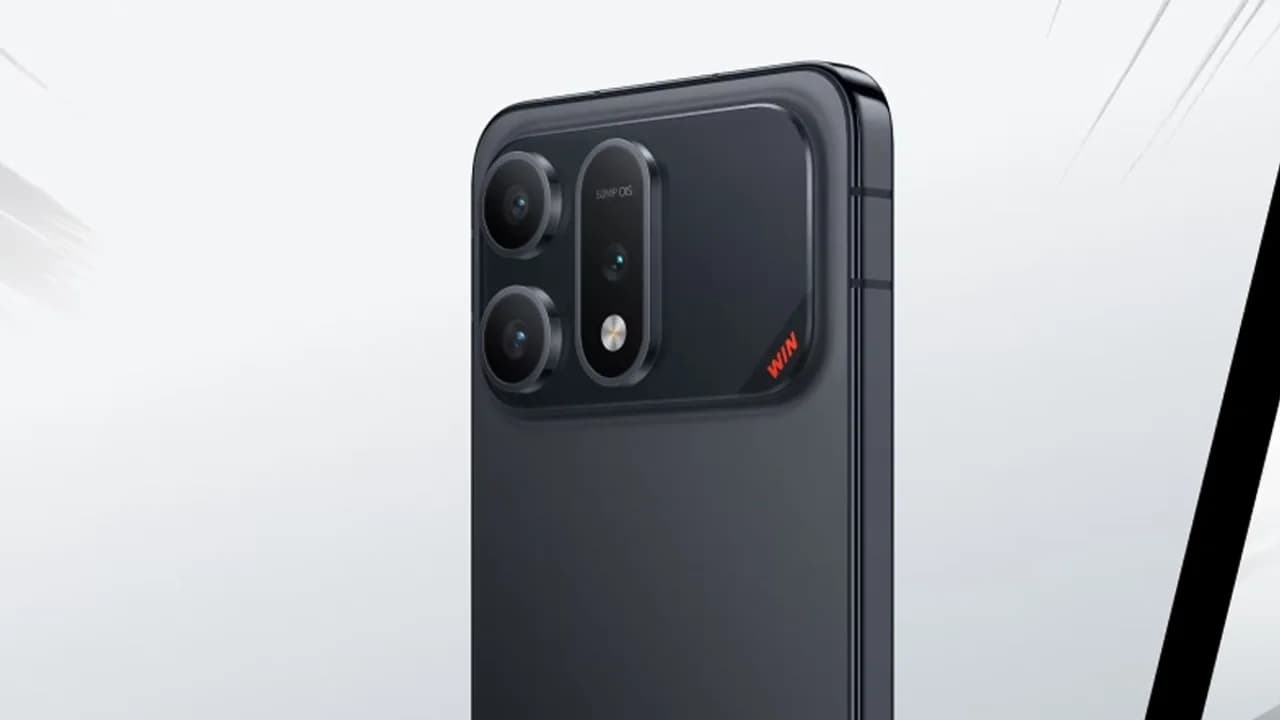
Honor announced the Win Turbo, a new smartphone equipped with a 10,000 mAh battery. The device also carries high durability certifications, positioning it as a rugged option in the market. The announcement was made without a specific event, with details released through official channels.
The Win Turbo's battery capacity is among the largest seen in modern smartphones. Honor claims the battery supports extended usage, though exact talk time or standby figures were not provided. The device supports fast charging, but the wattage was not disclosed.
Durability certifications include IP68 and IP69K ratings, indicating resistance to dust, water immersion, and high-pressure water jets. The phone also meets MIL-STD-810H military standards for drops, shocks, and extreme temperatures. The display is protected by Corning Gorilla Glass Victus.
The Win Turbo features a 6.78-inch IPS LCD display with a 120 Hz refresh rate and 1080 x 2460 pixel resolution. The screen brightness reaches up to 600 nits. The device is powered by a MediaTek Dimensity 7020 processor, paired with 8 GB of RAM and 256 GB of internal storage. The storage is expandable via a microSD card slot.
For photography, the Win Turbo includes a 108-megapixel main camera with an f/1.8 aperture, accompanied by a 5-megapixel ultrawide lens and a 2-megapixel macro sensor. The front-facing camera is 16 megapixels. The phone runs Android 14 with Honor's MagicOS 8.0 interface.
The Honor Win Turbo is available in two color options: Midnight Black and Sunrise Orange. The device is priced at €399 for the 8 GB RAM and 256 GB storage variant. Sales begin in select European markets starting March 2025.
Honor stated that the Win Turbo is designed for outdoor enthusiasts and professionals who require a reliable device in harsh environments. The company emphasized the combination of a large battery and rugged build as key differentiators in the mid-range smartphone segment.
Xiaomi 17T and 17T Pro Launched: Specs and Prices Revealed
Xiaomi has unveiled its new flagship models, the Xiaomi 17T and 17T Pro, featuring significant upgrades in camera, battery, and performance. The devices come with improved Leica optics, faster charging, and the latest processors.
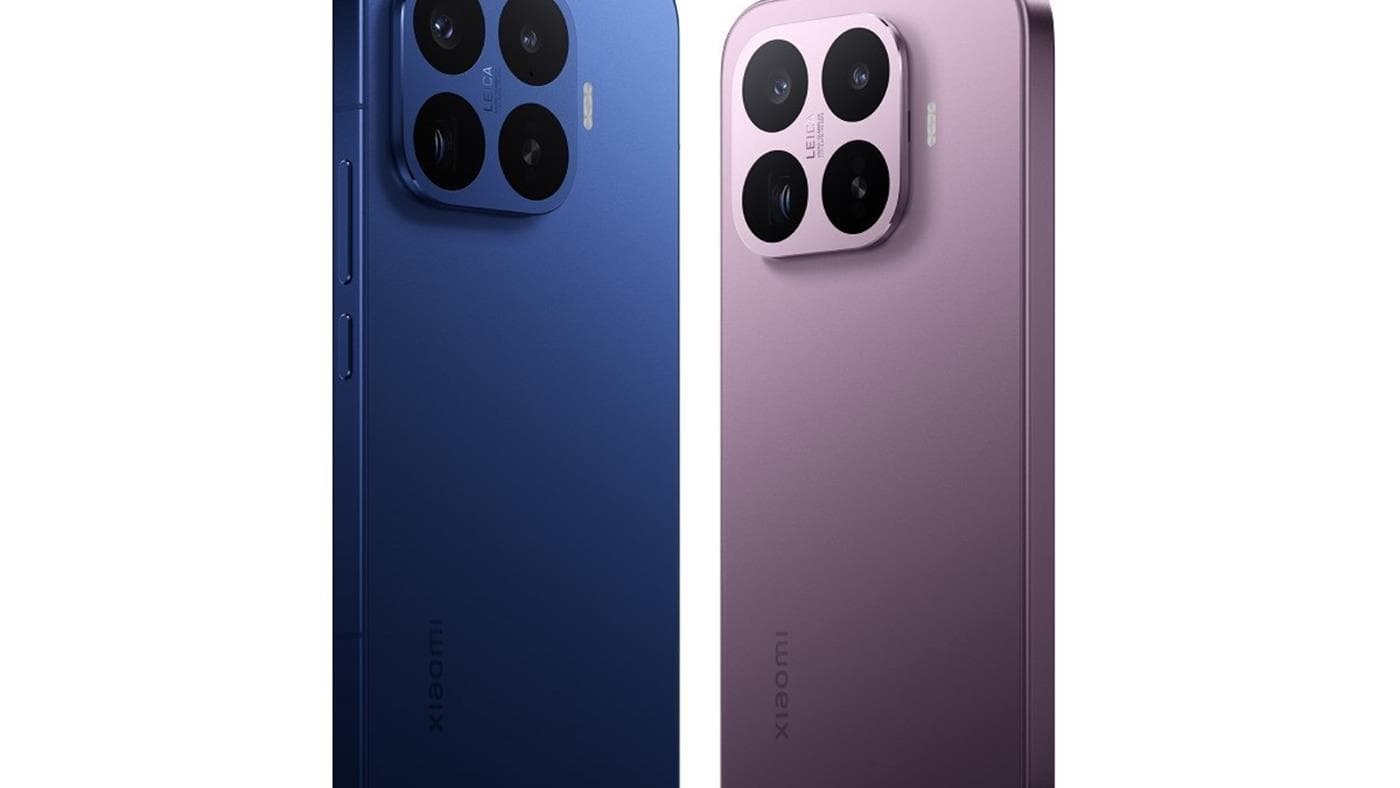
Xiaomi officially introduced the Xiaomi 17T and 17T Pro at a launch event on September 15. The two smartphones represent the company's latest flagship offerings, targeting the premium segment with enhanced camera systems and performance capabilities. Both models are set to compete directly with other high-end devices in the market.
The Xiaomi 17T Pro is powered by the MediaTek Dimensity 9200+ chipset, while the standard 17T uses the Dimensity 8200-Ultra processor. The Pro variant features up to 12GB of LPDDR5X RAM and 512GB of UFS 4.0 storage, whereas the 17T offers up to 8GB of RAM and 256GB of storage. Both devices run on MIUI 14 based on Android 13.
Camera improvements are a key highlight. The 17T Pro sports a 50-megapixel main sensor with a 1/1.28-inch Sony IMX707 sensor and optical image stabilization, paired with a 50-megapixel telephoto lens offering 2x optical zoom and a 12-megapixel ultrawide camera. The standard 17T has a 50-megapixel main camera with a Sony IMX766 sensor, an 8-megapixel ultrawide, and a 2-megapixel macro lens. Both phones feature Leica-branded optics and include Leica Authentic and Leica Vibrant color profiles.
Battery capacity sees a boost as well. The 17T Pro packs a 5,000mAh battery with 120W wired charging, while the 17T has a 5,000mAh battery with 67W charging. The Pro model also supports 50W wireless charging, a feature absent on the standard version. Xiaomi claims the Pro can charge from 0 to 100% in 19 minutes using the included 120W charger.
Display specifications are identical across both models: a 6.67-inch AMOLED panel with 2712x1220 resolution, 120Hz refresh rate, and HDR10+ support. The screen reaches a peak brightness of 1,400 nits and is protected by Corning Gorilla Glass 5. Both phones feature an under-display fingerprint sensor and stereo speakers tuned by Harman Kardon.
Pricing for the Xiaomi 17T starts at €649 for the 8GB/128GB variant, while the 17T Pro begins at €899 for the 8GB/256GB model. The Pro version with 12GB/512GB is priced at €999. Both phones will be available in Europe starting September 26, with colors including Lunar Silver, Stellar Blue, and Midnight Black for the 17T, and Ceramic White, Ceramic Black, and Ceramic Blue for the 17T Pro.
Xiaomi also announced that the 17T Pro will receive three years of major Android updates and four years of security patches. The standard 17T will get two years of OS updates and three years of security patches. Pre-orders begin today, with early buyers receiving a free Xiaomi Watch S2 or Redmi Buds 4 Pro.

Xiaomi to Add Privacy Screen Feature Similar to Samsung's in HyperOS 4 Update
Xiaomi is developing a privacy screen feature akin to Samsung's, set to launch with the HyperOS 4 update later this year. The feature aims to prevent onlookers from viewing the screen content.
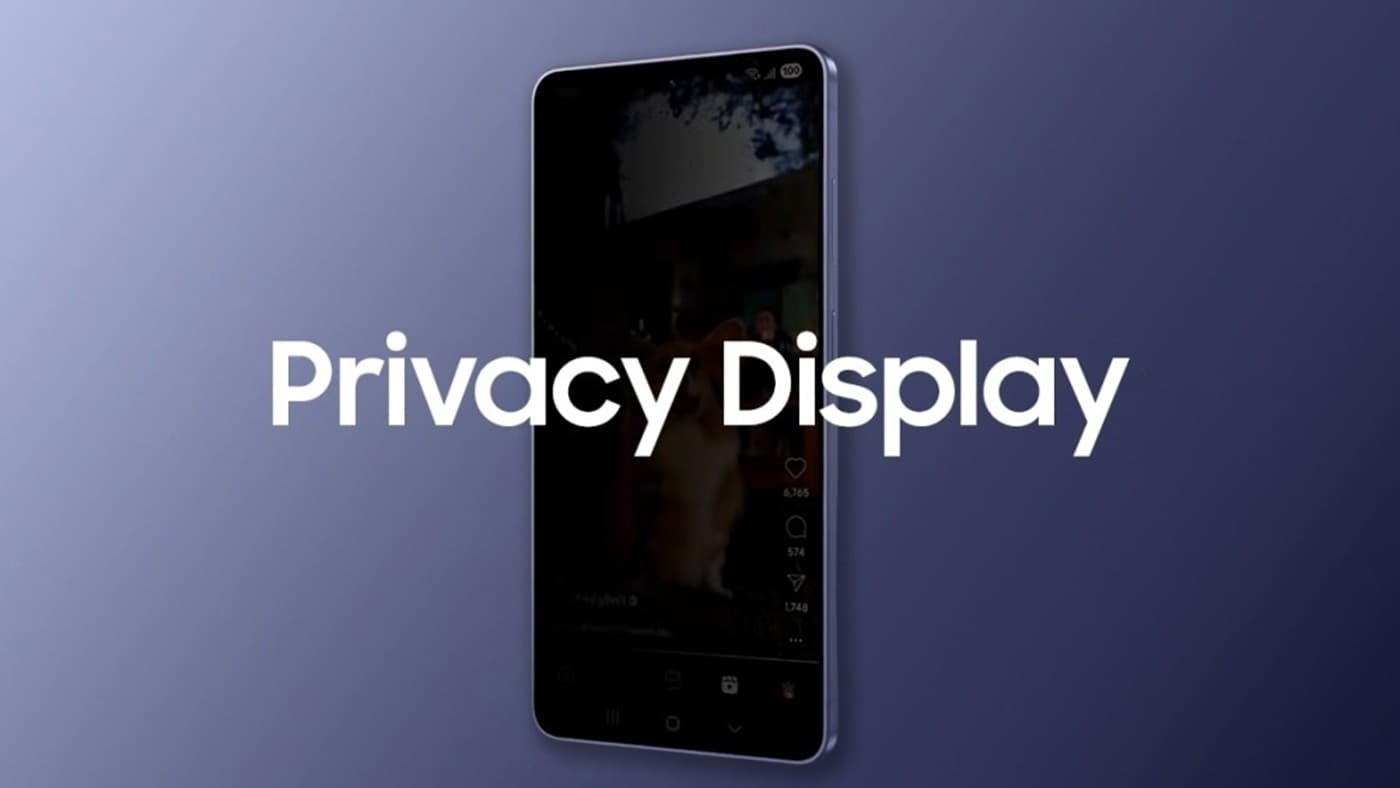
Xiaomi is working on a privacy screen feature that closely resembles Samsung's existing Privacy Screen functionality. The feature is expected to arrive with the HyperOS 4 update, which is slated for release later this year. This development was reported by a tipster known for sharing details about upcoming Xiaomi software features.
The privacy screen feature will allow users to restrict the viewing angle of their phone's display, making it difficult for people nearby to see what is on the screen. This is particularly useful in public spaces such as trains, buses, or crowded areas where sensitive information might be exposed. The feature can be toggled on or off via the quick settings panel or through the display settings menu.
Samsung has offered a similar feature on its Galaxy devices for several years, branded as Privacy Screen. It works by reducing the brightness and contrast of the display when viewed from an angle, while maintaining clarity for the person directly in front of the screen. Xiaomi's implementation is expected to function in a comparable manner, leveraging the display hardware to limit visibility.
The HyperOS 4 update is anticipated to bring a host of new features and improvements to Xiaomi devices. HyperOS is Xiaomi's custom operating system based on Android, and each major version introduces enhancements to performance, security, and user interface. The privacy screen feature is just one of several additions rumored for the upcoming update.
Xiaomi has not officially confirmed the development of this feature. The information comes from a tipster on social media who has a track record of accurately predicting Xiaomi software updates. As with all unconfirmed reports, details may change before the official release.
The privacy screen feature is expected to be available on a wide range of Xiaomi devices, including the flagship Mi series and the Redmi lineup. However, the exact list of compatible devices has not been disclosed. The feature may require specific display hardware to function effectively, so older or budget models might not support it.
HyperOS 4 is likely to begin rolling out to Xiaomi devices in the fourth quarter of this year. The update will be distributed over-the-air to eligible smartphones and tablets. Users can expect the privacy screen feature to be included in the initial release or added via a subsequent update.
Xiaomi has not provided a specific release date for HyperOS 4 or the privacy screen feature. The company typically announces major software updates during its product launch events or through official press releases. Further details are expected to emerge as the release date approaches.
Samsung Galaxy Z Fold 8 to Eliminate Crease with New OLED Display Tech
Samsung's upcoming Galaxy Z Fold 8 series will feature a new OLED display technology that eliminates the crease, offering a smooth screen experience. The device is expected to launch in the second half of 2025.

Samsung is preparing to address one of the most persistent criticisms of foldable phones with its next-generation Galaxy Z Fold 8 series. The company plans to introduce a new OLED display technology that completely removes the crease from the folding screen. This development marks a significant step forward in foldable display engineering.
The new display technology relies on an advanced panel structure that minimizes the physical stress caused by folding. Samsung's display division has been working on materials and layer compositions that allow the screen to bend without leaving a visible line. Early prototypes reportedly show a flat surface even after thousands of folding cycles.
Industry sources indicate that the Galaxy Z Fold 8 will use a redesigned hinge mechanism that works in tandem with the new OLED panel. The hinge is expected to distribute pressure more evenly across the display, reducing the formation of creases over time. This combination of hardware and display improvements aims to deliver a user experience comparable to traditional slab phones.
Samsung has been gradually reducing the crease visibility with each generation, but the Z Fold 8 is the first model designed to eliminate it entirely. The company's internal testing suggests that the new display can withstand over 200,000 folds without significant degradation. This durability metric aligns with Samsung's previous foldable phone standards.
The Galaxy Z Fold 8 series is expected to launch in the second half of 2025, following Samsung's typical release schedule for its premium foldable lineup. Pricing is likely to remain competitive with previous models, starting around $1,799 for the base configuration. The device will initially be available in select markets, including South Korea, the United States, and parts of Europe.
Samsung has not officially confirmed the specifications or release date of the Galaxy Z Fold 8. The company typically unveils its foldable phones at its Unpacked events in August. Analysts predict that the crease-free display could become a key selling point for the device, potentially driving higher adoption among consumers who were previously hesitant about foldable technology.
Samsung's display subsidiary, Samsung Display, is expected to supply the new OLED panels for the Z Fold 8. The technology may eventually trickle down to other foldable devices in Samsung's portfolio, including the Galaxy Z Flip series. For now, the focus remains on perfecting the large-screen foldable experience.
A Samsung spokesperson declined to comment on the specifics of the Galaxy Z Fold 8's display technology. The company stated that it continuously innovates to improve its foldable product lineup and will share details at the appropriate time.