Malta Offers Free ChatGPT Plus for a Year After AI Course Completion
Citizens of Malta can get a free one-year subscription to ChatGPT Plus after completing an AI course. The initiative aims to boost digital literacy and AI adoption in the country.

The Maltese government has partnered with OpenAI to offer a unique benefit to its citizens: a free one-year subscription to ChatGPT Plus. The offer is available to all Maltese residents who complete a designated course on artificial intelligence. This initiative is part of Malta's broader strategy to enhance digital skills and promote the use of AI technologies among its population.
To qualify for the free subscription, residents must enroll in and finish an AI literacy course provided by the government. The course covers fundamental concepts of AI, including machine learning, natural language processing, and ethical considerations. Upon successful completion, participants receive a voucher code to activate their ChatGPT Plus account, granting them access to advanced features like GPT-4, faster response times, and priority access during peak hours.
ChatGPT Plus is the premium tier of OpenAI's popular chatbot service, normally priced at $20 per month. Subscribers benefit from enhanced performance and reliability, making it suitable for both personal and professional use. The free one-year access allows Maltese citizens to explore AI applications in education, business, and daily life without financial barriers.
Malta has been proactive in embracing digital transformation, with initiatives like the Malta Digital Innovation Authority and various tech education programs. This partnership with OpenAI aligns with the country's goal to become a hub for AI innovation in the Mediterranean. By providing free access to cutting-edge AI tools, Malta aims to equip its workforce with skills relevant to the evolving job market.
The course is available online and can be completed at the learner's own pace. It is designed to be accessible to individuals with no prior technical background, ensuring broad participation. The government expects thousands of residents to take advantage of the offer, potentially boosting AI literacy across the nation.
This move sets a precedent for other countries considering similar partnerships to democratize access to AI. While the offer is currently limited to Malta, it may inspire other governments to negotiate deals with tech companies for educational purposes. The initiative also highlights the growing importance of AI skills in national development strategies.
As of now, the program is scheduled to run for a limited time, with the course and subscription offer available until the end of 2024. Participants must be at least 18 years old and residents of Malta. The government plans to evaluate the program's impact and may extend it based on demand and outcomes.
OpenAI has not commented on whether similar offers will be extended to other countries. However, the success of Malta's program could serve as a model for future collaborations. For now, Maltese citizens have a unique opportunity to gain expert-level AI assistance for free, provided they invest a few hours in learning about the technology.
AI Real-Time Translation Is Here, But Experts Argue Language Learning Still Matters
AI-powered real-time translation is now embedded in everyday tools like video calls and social media, dissolving language barriers. However, linguists and educators argue that learning another language remains crucial for cultural understanding and cognitive benefits.

From live speech translation in video calls to auto-dubbing on TikTok, the technology to dissolve language barriers has arrived. Real-time translation powered by artificial intelligence (AI) is now embedded in everyday life, allowing users to communicate across languages with unprecedented ease. Tools like Microsoft Translator, Google Translate, and specialized apps now offer near-instantaneous translation in hundreds of languages, making cross-lingual conversations feel seamless. This shift raises a pressing question: If AI can translate instantly, why should anyone invest time in learning a second language?
Modern AI translation systems rely on neural machine translation models that process context, idioms, and even tone. For instance, real-time speech translation in video conferencing platforms can convert spoken words into text or audio in another language with minimal delay. Auto-dubbing features on social media apps like TikTok use AI to alter lip movements and voice to match translated audio, creating an illusion of native fluency. These technologies have improved dramatically, with some systems achieving human-level accuracy for common language pairs.
Despite these advances, experts emphasize that translation and true communication are not the same. Language learning fosters deep cultural empathy, nuanced understanding, and the ability to grasp humor, sarcasm, and emotional subtext that AI often misses. Moreover, learning a language strengthens cognitive flexibility, memory, and problem-solving skills—benefits that no app can replicate. In professional settings, bilingualism is linked to higher earning potential and better cross-cultural negotiation skills.
Real-world applications of AI translation are expanding rapidly. Travelers use it to navigate foreign cities, businesses deploy it for global customer support, and international organizations rely on it for diplomacy. However, critical contexts like legal proceedings, medical consultations, and literary translation still demand human expertise to avoid costly misinterpretations. AI translation also struggles with low-resource languages, dialects, and code-switching, highlighting its limitations.
For everyday users, AI translation tools are becoming more accessible and affordable. Many are free or included in subscription services, with support for over 100 languages. However, users in regions with limited internet connectivity or those using niche languages may find the technology less reliable. Privacy concerns also arise, as some services process audio and text through cloud servers, potentially exposing sensitive conversations.
Looking ahead, the next frontier is seamless integration into augmented reality (AR) glasses and earbuds, enabling real-time subtitles or whispers in your ear. Companies like Meta and Google are investing heavily in this vision. Yet, the technology still grapples with accents, background noise, and rapidly spoken speech. Researchers are also working on preserving speaker identity and emotion in translated speech.
Ultimately, AI translation is a powerful tool, not a replacement for language learning. It can break down barriers in casual interactions, but it cannot replicate the deep connection formed when someone learns another language. As one linguist put it, "Translation gives you the words; learning gives you the world." The future likely holds a hybrid approach, where AI handles routine translations while humans continue to learn languages for richer, more authentic experiences.
AI Governance Roles Scarce Despite 92% Adoption Rate in Philippine Firms
A new report reveals that while 92% of Philippine organizations use AI, fewer than 12% have hired dedicated AI governance staff. Talent scarcity is cited as the top barrier to scaling AI, highlighting a critical gap in responsible AI deployment.

A staggering 92 percent of organizations in the Philippines have integrated artificial intelligence into their operations, yet fewer than one in eight have appointed someone to oversee its governance. This disconnect is highlighted in the Swarm Philippine AI Report 2025, which surveyed 175 organizations nationwide. The report coins the term “vibe-based” AI use to describe the ad hoc, ungoverned approach many companies are taking. Fifty-seven percent of respondents identified talent scarcity as the primary obstacle to scaling their AI initiatives, underscoring a pressing need for skilled professionals in AI governance.
The report defines AI governance as the framework of policies, processes, and controls that ensure AI systems are used ethically, transparently, and in compliance with regulations. This includes roles such as AI ethicists, compliance officers, and data stewards who monitor bias, privacy, and accountability. Despite high adoption rates, only 12 percent of organizations have filled such positions. The survey indicates that most companies rely on existing IT or legal teams to handle AI oversight, often without formal training or dedicated resources.
Talent scarcity is not just about finding technical AI experts; it extends to governance specialists who understand both the technology and the regulatory landscape. The report notes that universities and training programs have been slow to develop curricula focused on AI governance, leaving a gap between adoption and responsible management. This shortage is particularly acute in sectors like finance, healthcare, and government, where regulatory scrutiny is high. Organizations are increasingly seeking professionals who can navigate complex issues such as algorithmic fairness, data privacy, and explainability.
The “vibe-based” approach to AI use reflects a broader trend where companies deploy AI tools without clear governance structures. This can lead to risks including biased outcomes, security vulnerabilities, and reputational damage. The report warns that as AI becomes more embedded in critical processes—from hiring to customer service—the lack of governance could expose organizations to legal and ethical challenges. Comparatively, global leaders in AI governance, such as the European Union, are moving toward stricter regulations like the AI Act, which mandates accountability measures.
For Philippine organizations, the immediate impact is a bottleneck in scaling AI beyond pilot projects. Without governance roles, companies may struggle to gain trust from customers and regulators. The report recommends that businesses prioritize hiring or training for AI governance positions, even if it means reallocating budgets from other areas. It also suggests that educational institutions collaborate with industry to create specialized courses and certifications. The government could play a role by offering incentives for companies that adopt governance frameworks.
Looking ahead, the report expects the demand for AI governance talent to surge as regulatory pressures mount and high-profile AI failures raise public awareness. However, the timeline for filling these roles remains uncertain. The survey found that only 20 percent of organizations plan to hire AI governance staff within the next year. Without concerted efforts to close the talent gap, the Philippines may see a rise in AI-related incidents that could slow overall adoption. The Swarm Philippine AI Report 2025 serves as a wake-up call for businesses and policymakers to invest in the human infrastructure needed to govern AI responsibly.
AI Is the New Infrastructure of Intelligence, Says TCS Chairman Chandrasekaran
Tata Consultancy Services Chairman N Chandrasekaran declared that artificial intelligence is becoming the fundamental infrastructure of intelligence for businesses worldwide. He highlighted that AI services are generating billions in revenue and that TCS is building secure AI infrastructure and an operating system for industries, with India emerging as a key hub.
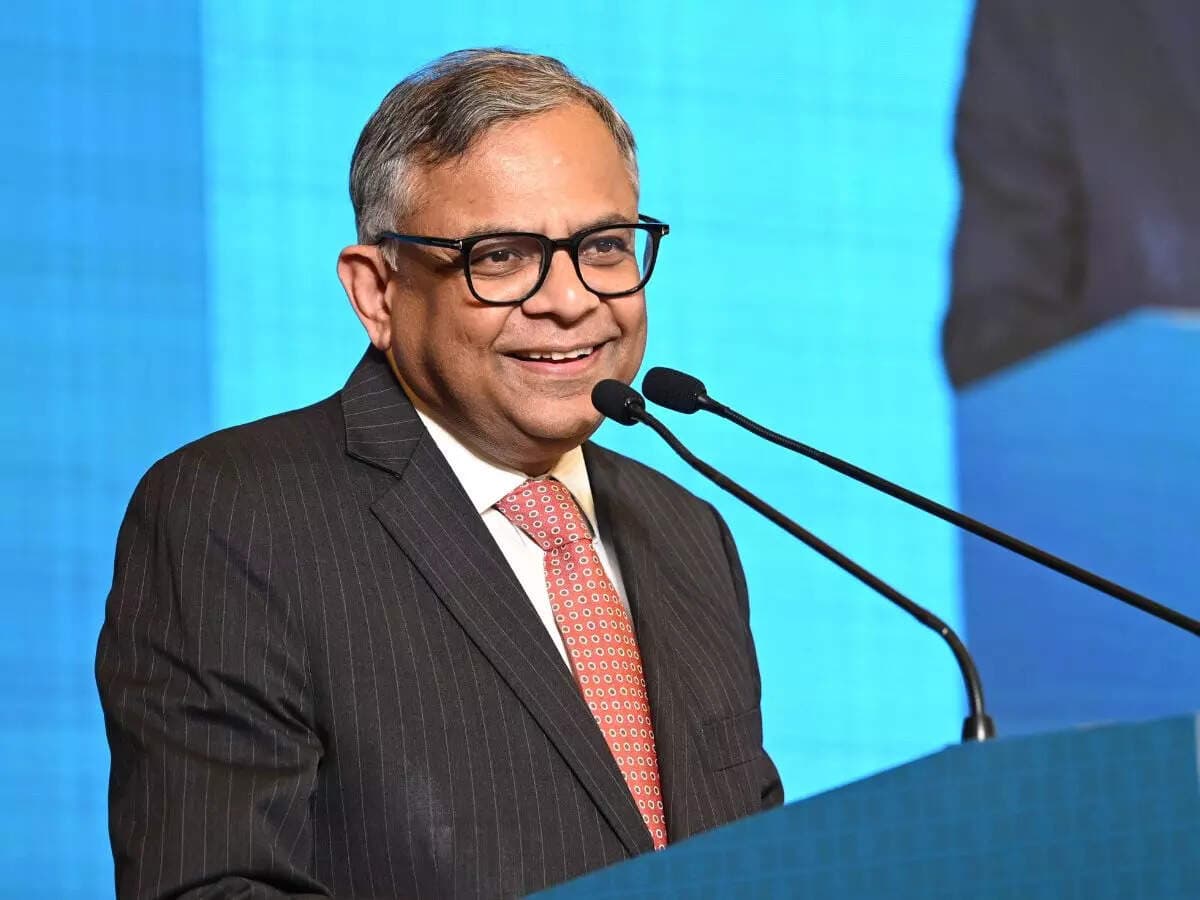
Artificial intelligence is rapidly evolving into the core operating system for businesses across the globe, according to Tata Consultancy Services (TCS) Chairman N Chandrasekaran. Speaking at a recent event, he emphasized that AI is no longer a niche technology but the foundational layer upon which modern enterprises operate. Chandrasekaran noted that AI services are already generating billions of dollars in revenue for TCS, reflecting the immense demand for intelligent automation and data-driven decision-making tools. He described AI as the "infrastructure of intelligence," a shift that is reshaping industries from finance to healthcare.
TCS is actively investing in building secure AI infrastructure and developing an AI operating system designed to serve multiple industries. This platform aims to provide a standardized yet customizable layer that integrates with existing enterprise systems, enabling businesses to deploy AI applications at scale. The company is focusing on creating robust security protocols to address concerns around data privacy and algorithmic bias, which are critical for widespread adoption. The AI operating system will offer pre-built modules for tasks like natural language processing, computer vision, and predictive analytics, allowing clients to accelerate their digital transformation journeys.
India is emerging as a key destination for AI infrastructure development, Chandrasekaran noted, citing the country's strong talent pool in software engineering and data science. He pointed out that TCS is leveraging local expertise to build data centers and cloud-based AI services that can support global clients. This aligns with broader trends where multinational corporations are diversifying their tech supply chains and looking to India for reliable, cost-effective AI solutions. The chairman also highlighted that TCS is collaborating with academic institutions and startups to foster innovation in areas like generative AI and edge computing.
The company's focus on AI comes amid strong financial performance. TCS recently reported a robust profit growth for the latest quarter, driven by increased spending on digital services and cloud migration. The firm also added thousands of new employees, signaling confidence in future demand. Chandrasekaran attributed this growth to clients' urgency to adopt AI to remain competitive, especially in sectors like banking, retail, and manufacturing. He warned that companies failing to integrate AI risk falling behind, as the technology becomes a prerequisite for operational efficiency and customer engagement.
For users, the impact of TCS's AI initiatives will be felt across various devices and regions. The company's AI operating system is designed to work on cloud platforms, on-premises servers, and edge devices, enabling real-time analytics in factories, hospitals, and retail stores. TCS is rolling out these services globally, with early adopters in North America, Europe, and Asia-Pacific. While specific pricing models vary by client, the company offers subscription-based and project-based pricing to suit different budgets. Chandrasekaran emphasized that TCS aims to make AI accessible to mid-sized businesses, not just large corporations.
Despite the optimism, several unknowns remain. The regulatory landscape for AI is still evolving, with governments worldwide drafting laws on data governance and algorithmic accountability. TCS is closely monitoring these developments and building compliance features into its platform. Additionally, the rapid pace of AI advancement means that today's cutting-edge solutions may become obsolete quickly. Chandrasekaran acknowledged this challenge, stating that TCS is committed to continuous research and development to stay ahead. The company is also exploring partnerships with AI chipmakers and cloud providers to optimize performance and reduce costs.
Looking ahead, TCS expects to expand its AI workforce significantly and launch new tools for generative AI and autonomous systems. Chandrasekaran predicted that within five years, AI will be embedded in nearly every business process, from supply chain management to customer service. He called on industry leaders to prioritize ethical AI practices and workforce reskilling to ensure that the benefits of AI are widely shared. As TCS continues to scale its AI infrastructure, the company is poised to play a pivotal role in shaping the next era of enterprise technology.
Malta Becomes First Country to Offer Free ChatGPT Plus to All Citizens
Malta will provide a year of ChatGPT Plus access to all residents who complete a free AI training course, starting in May. The initiative aims to boost AI literacy and is open to Maltese citizens abroad.
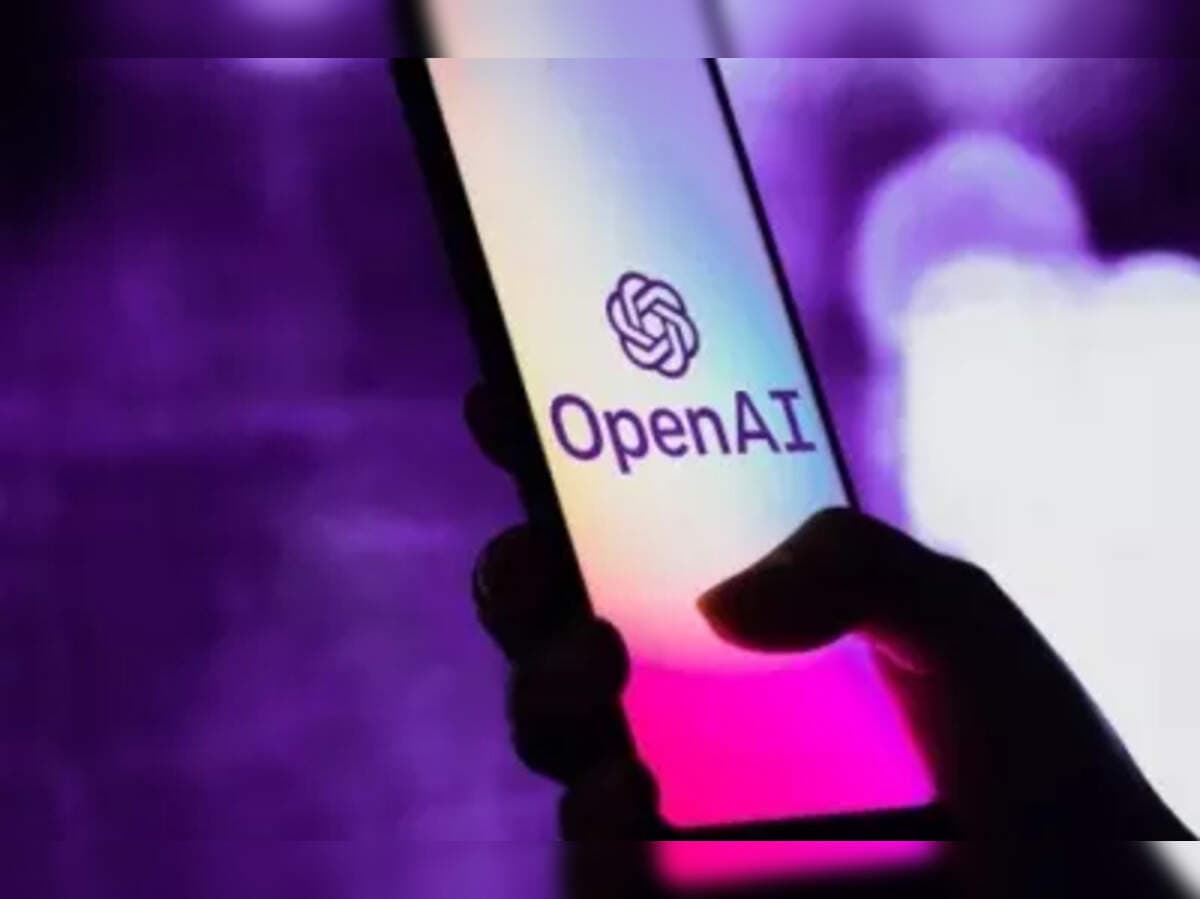
In a groundbreaking move, Malta has announced it will become the first nation to offer every resident a full year of free access to ChatGPT Plus. The initiative, which follows the completion of a free course on artificial intelligence, is set to begin in May and will expand as more citizens finish the training. Maltese citizens living overseas are also eligible to participate, making it a truly inclusive program.
The AI training course, designed to educate the public on the fundamentals and applications of artificial intelligence, is a prerequisite for accessing the premium ChatGPT service. Once citizens complete the course, they will receive a voucher for a one-year ChatGPT Plus subscription, which typically costs $20 per month. The program is a collaboration between the Maltese government and OpenAI, aiming to enhance digital skills and AI adoption across the island nation.
ChatGPT Plus offers several benefits over the free version, including priority access to the latest models, faster response times, and access to advanced features like browsing, plugins, and DALL-E image generation. By providing this premium access, Malta hopes to encourage more citizens to explore AI's potential in their personal and professional lives.
The initiative is part of Malta's broader strategy to become a leader in AI education and adoption. The country has already invested in AI research and development, and this program is expected to accelerate the integration of AI tools in various sectors, including education, healthcare, and business. The government believes that widespread AI literacy will give Maltese citizens a competitive edge in the global job market.
For users, the program means that any Maltese resident aged 16 or older who completes the free course can enjoy ChatGPT Plus without any cost for a year. The course is available online and covers topics such as AI ethics, prompt engineering, and real-world use cases. The government has also set up physical centers for those without internet access, ensuring no one is left behind.
While the exact number of participants is unknown, the program is expected to reach tens of thousands of citizens. The rollout will be phased, starting with those who complete the course earliest. The government has not disclosed the total cost of the initiative, but it is likely a significant investment given the subscription fees involved.
Looking ahead, Malta plans to evaluate the program's impact after the first year and may consider extending it or expanding it to other AI services. The success of this initiative could serve as a model for other nations looking to boost AI adoption. For now, Maltese citizens have a unique opportunity to become early adopters of advanced AI tools, setting a precedent for digital innovation on a national scale.