Meta Shifts 7,000 Employees Into AI Roles Amid 10% Workforce Reduction
Meta is reassigning 7,000 employees to artificial intelligence positions as part of a broader restructuring that includes laying off 10% of its workforce. The affected staff will be consolidated into four new organizations focused on AI development.

Meta is reassigning 7,000 employees to artificial intelligence roles as part of a broader restructuring that includes laying off approximately 10% of its workforce, according to a source familiar with the matter. The move signals the company's intensified focus on AI technologies amid ongoing cost-cutting measures. The affected employees will be consolidated into four newly formed organizations dedicated to AI research and product development.
The restructuring comes as Meta continues to streamline operations following a period of rapid hiring during the pandemic. The company has been under pressure from investors to improve efficiency and profitability. By shifting a significant portion of its workforce to AI, Meta aims to accelerate its efforts in areas such as generative AI, machine learning, and natural language processing.
The four new organizations will focus on different aspects of AI, including foundational research, applied AI, and AI infrastructure. Employees moving into these roles will work on projects ranging from improving recommendation algorithms to developing new AI-powered features for Meta's platforms, including Facebook, Instagram, and WhatsApp. The company has been investing heavily in AI to enhance user engagement and advertising effectiveness.
Meta's CEO Mark Zuckerberg has previously emphasized the importance of AI as a key priority for the company. In recent earnings calls, he highlighted investments in AI infrastructure and talent. The reorganization is expected to help Meta compete more effectively with rivals like Google and Microsoft, which have also made significant AI investments.
The layoffs, which affect about 10% of Meta's workforce, are part of a broader cost-cutting initiative that includes reducing office space and scaling back on non-core projects. The company has already eliminated thousands of positions in previous rounds of layoffs. The latest cuts are expected to impact teams across various departments, including recruiting, engineering, and business operations.
Employees being moved into AI roles will undergo training to ensure they have the necessary skills for their new positions. Meta has not disclosed the specific criteria for selecting which employees will be reassigned. The company is also offering severance packages to those who are laid off, in line with its previous restructuring efforts.
The reorganization is expected to be completed over the coming months. Meta has not provided a specific timeline for when the new AI organizations will be fully operational. The company's stock has seen fluctuations amid the restructuring, but investors have generally responded positively to the focus on AI and cost discipline.
Meta's shift toward AI reflects a broader trend in the tech industry, where companies are reallocating resources to capitalize on the growing demand for AI technologies. The company's ability to successfully integrate these employees into AI roles will be critical to its long-term competitiveness. Meta has stated that the changes are necessary to position the company for future growth and innovation.
SpaceX Plans to Acquire AI Coding Startup Cursor 30 Days Post-IPO
SpaceX intends to acquire artificial intelligence coding startup Cursor 30 days after its initial public offering, according to sources familiar with the matter. The deal would integrate Cursor's AI-powered development tools into SpaceX's engineering operations.
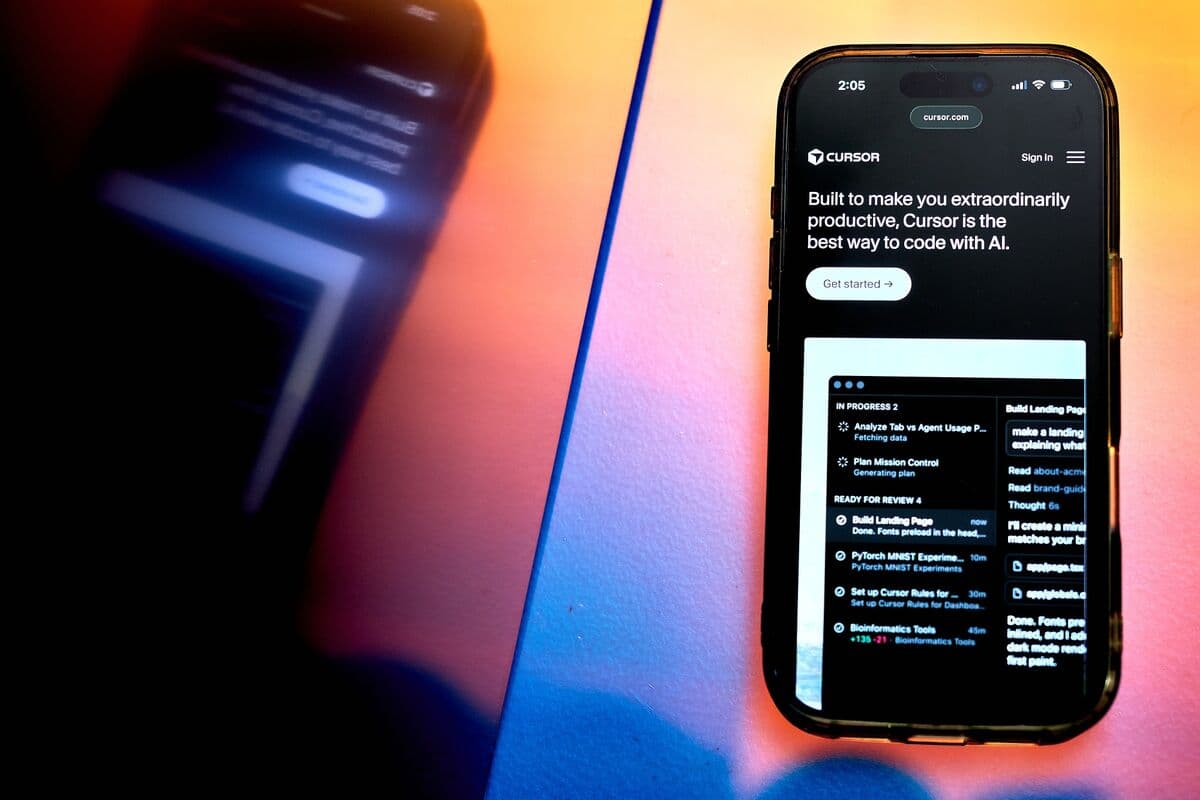
SpaceX is preparing to acquire Cursor, an artificial intelligence startup focused on code generation, three sources with knowledge of the plans told reporters. The transaction is scheduled to close 30 days after SpaceX completes its initial public offering, the people said, requesting anonymity to discuss private deliberations.
Cursor develops AI tools that assist software engineers in writing and debugging code. The startup's platform uses large language models to suggest code completions, detect errors, and automate repetitive programming tasks. SpaceX engineers have been testing the technology internally for several months, according to one of the sources.
The acquisition would mark SpaceX's first major purchase of an AI company. The rocket manufacturer has been expanding its software capabilities as it works on projects including the Starship spacecraft and Starlink satellite internet constellation. Cursor's technology could help accelerate development of flight software and ground systems.
Financial terms of the deal were not disclosed. Cursor had raised $85 million in venture funding prior to the acquisition talks, with investors including Andreessen Horowitz and Sequoia Capital. The startup was valued at approximately $400 million in its most recent funding round.
SpaceX filed confidentially for an IPO earlier this year, with plans to list on the Nasdaq under the ticker SPCE. The company is expected to seek a valuation exceeding $150 billion in the public offering, which could occur as soon as the fourth quarter of 2024, according to previous reports.
Cursor's 45 employees are expected to join SpaceX's software division, with founder and CEO Michael Truell reporting directly to SpaceX's chief information officer. The startup will continue to serve its existing customers during a transition period following the acquisition's close.
SpaceX declined to comment on the acquisition plans. Cursor representatives did not respond to requests for comment. The deal remains subject to regulatory review and standard closing conditions.
The acquisition would give SpaceX ownership of Cursor's proprietary AI models and training data, which include billions of lines of code from open-source repositories. SpaceX plans to use this data to fine-tune models for aerospace-specific programming tasks, the sources said.

Samsung faces strike by 47,000 workers at chip plants starting Thursday
More than 47,000 Samsung Electronics workers plan an 18-day strike starting Thursday at domestic chip plants after bonus negotiations collapsed. The strike threatens memory chip production amid an ongoing shortage.

Samsung Electronics is bracing for a strike involving over 47,000 workers at its domestic semiconductor facilities, set to begin Thursday. The walkout follows the breakdown of bonus payment talks between the company and its union, with the strike lasting 18 days. The action targets Samsung's chipmaking plants in South Korea, raising concerns about further strain on already constrained memory chip supply chains.
The union had agreed to mediation proposed by South Korea's National Labor Relations Commission, though the terms of that proposal remain undisclosed. Samsung management, however, rejected the deal without providing a reason, according to Nikkei Asia. The union's demands include higher bonuses and improved working conditions, though specific figures have not been released.
Workers gathered outside Samsung's semiconductor plant in Pyeongtaek on April 23rd for a rally ahead of the planned strike, as seen in photos from the event. The strike is limited to domestic chipmaking operations and does not affect other Samsung business units such as consumer electronics or mobile devices.
The timing of the strike adds pressure to the global memory chip market, which has been experiencing shortages driven by high demand for AI and data center applications. Samsung is the world's largest memory chip manufacturer, and any production disruption could exacerbate supply constraints.
Samsung Electronics has not publicly commented on the strike or the rejected mediation. The company's management has yet to outline contingency plans for maintaining chip production during the walkout. The union has indicated it is prepared to extend the strike if demands are not met.
The strike is set to commence on Thursday and will run for 18 consecutive days. The affected facilities include Samsung's main chip production lines in Pyeongtaek and Hwaseong. The union represents a significant portion of Samsung's domestic chip workforce, though the exact number of workers participating has not been confirmed.
Samsung's rejection of the mediated deal without explanation has drawn criticism from labor advocates. The National Labor Relations Commission's mediation details remain confidential, but the union had accepted the proposal before management's refusal. The strike proceeds as Samsung faces ongoing challenges in the semiconductor market, including fluctuating prices and geopolitical tensions affecting supply chains.

Satirical Piece Imagines How People Would Discuss Other Technologies Like A.I.
Caroline Rose Giuliani and Ginny Hogan wrote a satirical article imagining how people would discuss other technologies if they used the same hyperbolic language often applied to artificial intelligence.

Caroline Rose Giuliani and Ginny Hogan published a humorous piece exploring the way people talk about artificial intelligence. The authors imagine applying similar language to other technologies, such as the internet, smartphones, and electricity. The satire highlights the often exaggerated and fearful rhetoric surrounding A.I. discussions.
The piece draws parallels between current A.I. discourse and historical reactions to past innovations. Giuliani and Hogan point out that every major technological shift has sparked both excitement and anxiety. They note that the language used to describe A.I. today mirrors past conversations about other breakthroughs.
One example in the article imagines someone saying, "The internet is going to destroy our ability to focus and remember things." The authors contrast this with actual historical concerns about the internet. They also reference how people once worried that telephones would make face-to-face communication obsolete.
The satire extends to smartphones, with a fictional quote: "Smartphones are rewiring our brains and making us addicted to dopamine." Giuliani and Hogan remind readers that similar warnings accompanied the rise of television and radio. The piece suggests that such fears often fade as society adapts to new tools.
Electricity is another target of the satire. The authors imagine someone claiming, "Electricity will make us lazy and dependent on machines." They point out that electricity ultimately improved quality of life despite initial skepticism. The article argues that A.I. may follow a similar trajectory.
Giuliani and Hogan emphasize that their goal is not to dismiss legitimate concerns about A.I. Instead, they aim to encourage a more measured perspective. The piece concludes by noting that humans have historically integrated new technologies without losing their humanity.
The article was published on a humor platform and has sparked discussion about A.I. rhetoric. Readers have praised the authors for using comedy to address a serious topic. The piece serves as a reminder to approach technological change with both caution and perspective.
YouTube launches AI-powered conversational search and Gemini Omni for Shorts
YouTube introduces 'Ask YouTube', an AI-powered conversational search feature, and integrates Gemini Omni into Shorts. The updates aim to enhance user interaction and content discovery on the platform.

Google has announced a significant overhaul of its search capabilities on YouTube, introducing a new feature called 'Ask YouTube' that leverages artificial intelligence to enable conversational search. The update allows users to ask questions in natural language and receive relevant video results, moving beyond traditional keyword-based queries. Additionally, YouTube is integrating Gemini Omni into its Shorts format, bringing advanced AI capabilities to short-form video content.
The 'Ask YouTube' feature is designed to understand complex queries and provide direct answers from video content. For instance, users can ask questions like 'How do I fix a leaky faucet?' and the AI will surface specific segments from instructional videos. This functionality relies on Google's large language models and video understanding technology, which can parse spoken words, on-screen text, and visual elements within videos.
Gemini Omni, Google's multimodal AI model, is being integrated into YouTube Shorts to enhance content creation and discovery. Creators can use the AI to generate captions, suggest edits, or even create short clips from longer videos. The model can also analyze viewer preferences to recommend personalized Shorts feeds, improving user engagement.
These updates come as part of Google's broader strategy to infuse AI across its products. The company has been testing conversational search features in its main search engine and is now extending similar capabilities to YouTube. The move aims to make video content more accessible and interactive, particularly for users seeking specific information or tutorials.
YouTube's AI-powered search is expected to roll out gradually to users in the coming weeks, starting with English-language queries. The feature will be available on both mobile and desktop versions of the platform. Google has not specified a timeline for global availability but confirmed that additional languages will be supported in the future.
For creators, Gemini Omni integration in Shorts will be available through YouTube Studio. The tool offers features like automatic captioning, scene detection, and music suggestions. Google emphasized that the AI is designed to assist creators without replacing their creative input, maintaining the authenticity of user-generated content.
Privacy considerations have been addressed, with Google stating that user data from conversational searches will be handled according to its existing privacy policies. The company also noted that AI-generated suggestions in Shorts will be clearly labeled to maintain transparency.
YouTube's parent company, Google, announced these features during its recent product update event. The company highlighted that the AI enhancements are part of ongoing efforts to improve user experience and content discoverability on the platform. 'Ask YouTube' and Gemini Omni for Shorts are now rolling out to select users, with broader availability expected later this year.