Recycling Startups Turn to AI as Aluminum Prices Surge 20%
Recycling startups are deploying artificial intelligence to enhance the recovery of critical minerals, particularly aluminum, as prices rise. The technology aims to create a significant domestic supply of the metal.
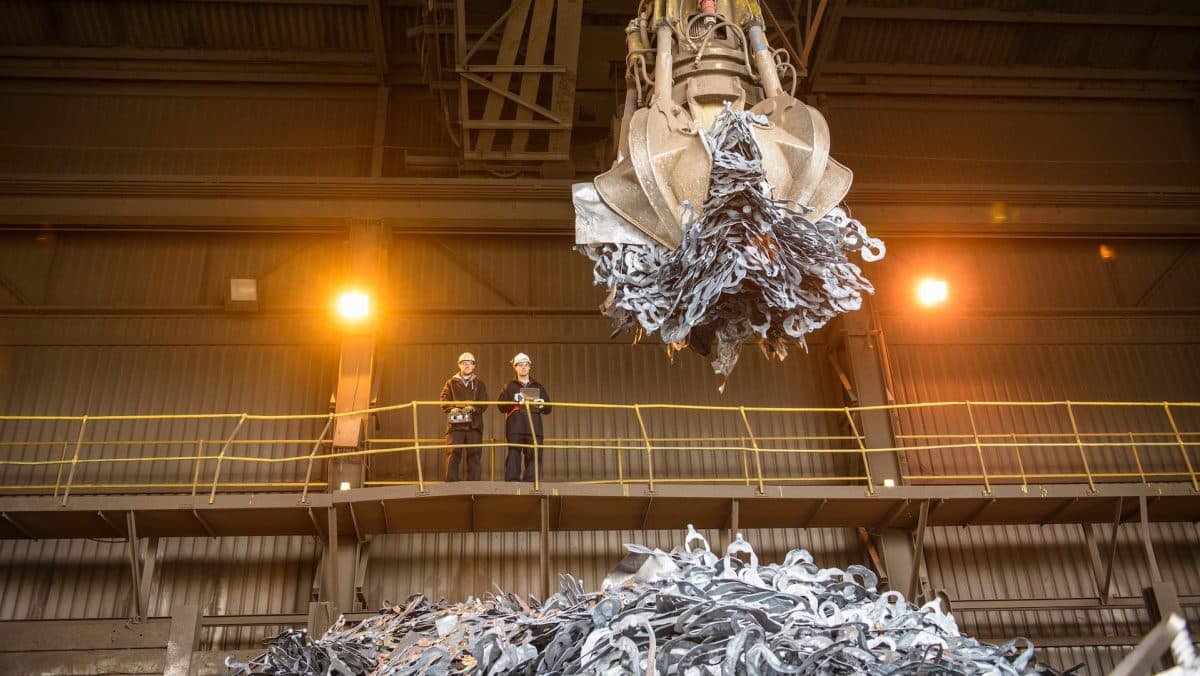
Recycling startups are increasingly adopting artificial intelligence to boost the recovery of critical minerals, with a focus on aluminum as prices climb. The companies see an opportunity to build a large-scale source of the metal domestically. AI systems are being used to sort scrap more efficiently, identifying and separating aluminum from mixed waste streams. This approach could reduce reliance on imported raw materials and lower environmental impact.
One startup, Sortera Alloys, uses AI-powered sensors to analyze scrap metal in real time. The system can distinguish between different aluminum alloys, which is crucial for producing high-quality recycled material. The company claims its technology can recover up to 95% of aluminum from complex scrap streams, compared to traditional methods that capture around 70%.
Another firm, Machinex, has developed an AI-driven optical sorter that identifies aluminum cans and other packaging. The system uses cameras and machine learning to recognize shapes and colors, then directs air jets to separate the items. This technology has been installed at several recycling facilities across the United States.
The push for AI in recycling comes as aluminum prices have risen roughly 20% over the past year, driven by supply constraints and growing demand from industries like automotive and construction. Recycled aluminum requires only 5% of the energy needed to produce primary aluminum, making it an attractive alternative.
Industry analysts note that AI can help recycling facilities process more material with greater accuracy, reducing contamination and improving the quality of output. This is particularly important for aluminum, which can be recycled indefinitely without losing its properties. The U.S. currently recycles about 50% of its aluminum cans, a figure that startups aim to increase.
However, the technology faces challenges, including high upfront costs and the need for large datasets to train AI models. Some facilities also struggle with inconsistent waste streams, which can confuse sorting algorithms. Despite these hurdles, several startups have secured funding from venture capital firms and government grants.
The U.S. Department of Energy has invested in AI recycling projects as part of its strategy to secure domestic supply chains for critical minerals. The agency awarded $10 million to a consortium led by the University of Texas to develop AI-based sorting systems for aluminum and other metals.
Startups are also exploring partnerships with major aluminum producers. For example, Novelis, a leading aluminum recycler, has tested AI sorting at its plants in Ohio and Kentucky. The company reported a 15% increase in recovery rates during trials.
As aluminum prices remain elevated, the economic case for AI-driven recycling grows stronger. Startups in the space expect their technology to become more widespread in the coming years, potentially transforming the scrap metal industry. The success of these efforts could help the U.S. reduce its dependence on imported aluminum and lower carbon emissions from metal production.
Waymo Suspends Atlanta Robotaxi Service After Vehicles Enter Flooded Roads
Waymo has paused its autonomous taxi operations in Atlanta following incidents where vehicles drove into flooded areas. The company is also suspending service in San Antonio to address the navigation issue.

Waymo announced it is temporarily halting its robotaxi service in Atlanta after multiple incidents in which its autonomous vehicles drove into flooded roadways. The company confirmed the suspension on Tuesday, citing the need to update its software to better handle extreme weather conditions. A Waymo spokesperson stated that the safety of passengers and the public is the top priority, and the pause will allow engineers to refine the system's response to standing water.
The issue came to light after local news reports showed Waymo vehicles attempting to navigate through deep water on Atlanta streets following heavy rainfall. In one instance, a robotaxi became partially submerged, requiring a tow truck to retrieve it. Waymo acknowledged that its current sensor suite and algorithms do not reliably detect water depth or distinguish between puddles and more hazardous flooding.
Waymo's fleet relies on lidar, cameras, and radar to perceive the environment. While the system can identify obstacles like curbs and other vehicles, standing water presents a unique challenge because it can appear as a reflective surface that the sensors misinterpret. The company is now developing new detection models that analyze water texture and surrounding context to determine whether a flooded area is safe to traverse.
The Atlanta suspension follows a similar pause in San Antonio, where Waymo had been testing its robotaxis since last year. In both cities, the company will continue mapping and data collection but will not carry passengers until the flooding issue is resolved. Waymo did not provide a timeline for resuming service, stating only that it will resume operations once the software updates are validated.
Waymo's expansion into southeastern U.S. cities has been part of a broader push to scale its autonomous ride-hailing service beyond its core markets in Phoenix and San Francisco. Atlanta, with its frequent thunderstorms and occasional flash floods, was seen as a key test for the technology's ability to handle diverse weather. The flooding incidents highlight the limitations of current autonomous systems in adverse conditions.
The company emphasized that no injuries or accidents occurred during the flooding incidents. Waymo is working with local authorities and weather services to improve its hazard prediction capabilities. Engineers are also exploring the use of additional sensors, such as thermal cameras, to better detect water on road surfaces.
Waymo's competitors, including Cruise and Tesla, have faced similar challenges with autonomous vehicles in rain and snow. The industry has long acknowledged that inclement weather remains one of the hardest problems for self-driving cars. Waymo's decision to pause services in two cities underscores the cautious approach needed to ensure safety as the technology matures.
For now, Waymo's robotaxis will remain idle in Atlanta and San Antonio. The company plans to resume passenger service only after thorough testing confirms that the updated software can safely navigate flooded roads. Waymo reiterated its commitment to transparency and safety, stating that it will provide updates as progress is made on the software improvements.

Bambu Lab faces backlash after asking developer to delete open-source code
Bambu Lab, known for its popular 3D printers, asked developer Paweł Jarczak to remove code enabling remote control without its software. The request sparked a coalition of open-source advocates and YouTubers opposing the company's move.
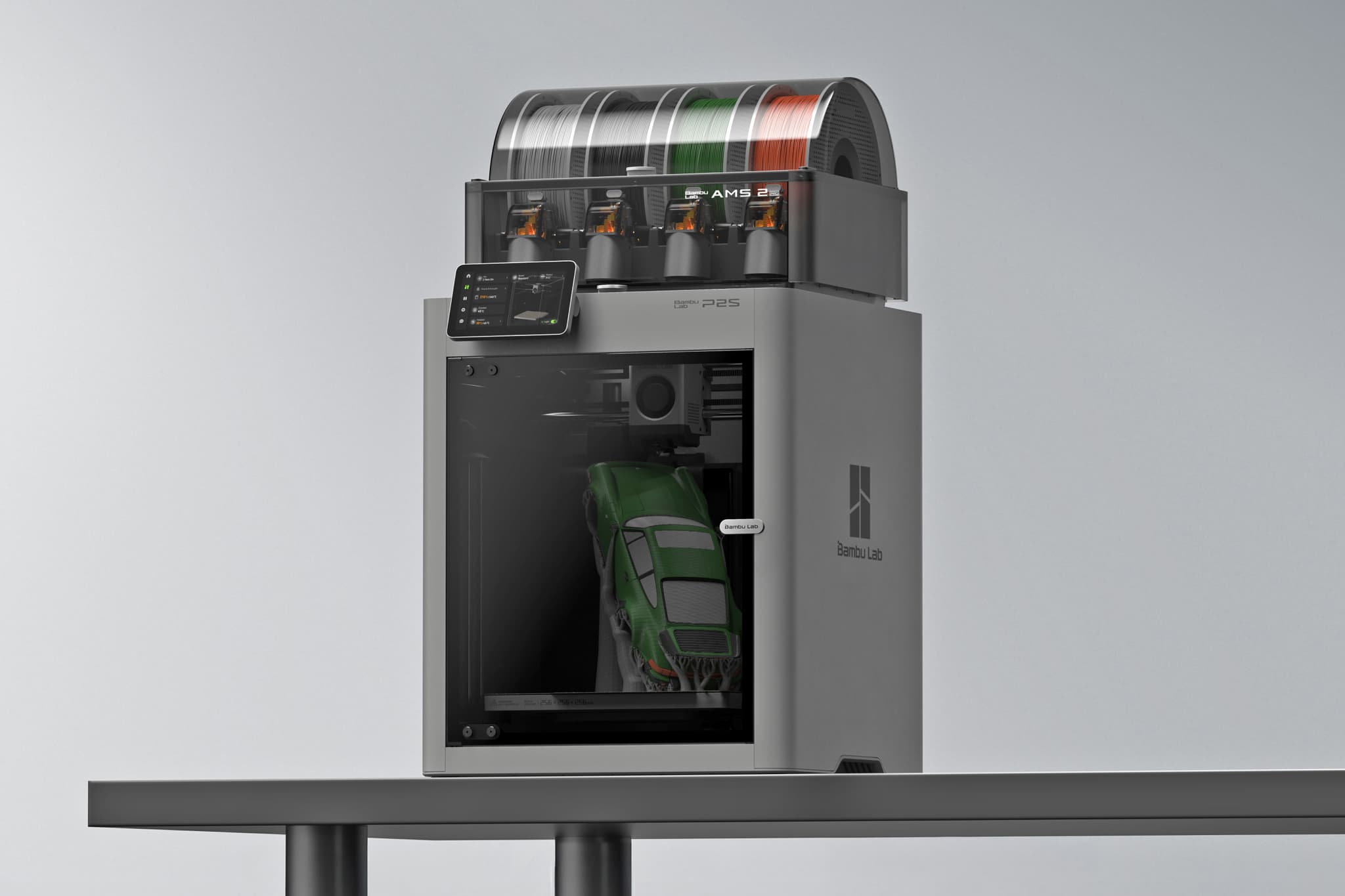
Bambu Lab, a company celebrated for producing some of the most accessible and high-quality 3D printers on the market, now finds itself at the center of a growing controversy. The dispute began when Paweł Jarczak, a developer, received a private message from Bambu Lab on Reddit requesting that he delete code he had shared. Jarczak's code allowed users to remotely control their Bambu printers without relying on the company's proprietary software. This request has ignited a firestorm within the 3D printing community, with many rallying behind Jarczak and funding efforts to challenge Bambu Lab's actions. The outcome could have significant implications for the future of 3D printer software and user freedoms.
Jarczak's code was designed to give users more control over their Bambu printers, enabling remote operation through alternative software. Bambu Lab, however, sought to lock down its system, despite the fact that its own software relies on open-source components. The company's request to remove the code was seen by many as an attempt to restrict user autonomy and undermine the open-source ethos that has long been a cornerstone of the 3D printing community.
The response from the community was swift and forceful. A coalition of open-source advocates, developers, and prominent YouTubers formed to oppose Bambu Lab's actions. They argue that the company's request not only violates the spirit of open-source collaboration but also sets a dangerous precedent for user rights in the 3D printing industry. The coalition has launched fundraising efforts to support Jarczak and to potentially fund legal challenges against Bambu Lab.
Bambu Lab's printers have been widely praised for their ease of use, reliability, and advanced features, making them popular among both hobbyists and professionals. The company's rapid rise in the market has been fueled by a combination of innovative design and a strong community following. However, this incident has threatened to tarnish that reputation, as many users feel betrayed by a company they once admired.
The controversy highlights a broader tension in the tech industry between proprietary control and open-source principles. Bambu Lab's reliance on open-source code while attempting to restrict its use has drawn criticism as hypocritical. Critics argue that the company is trying to have it both ways—benefiting from open-source contributions while limiting how users can interact with their own hardware.
As of now, Bambu Lab has not publicly responded to the backlash beyond the initial private message to Jarczak. The company's silence has only fueled further speculation and anger within the community. Jarczak, for his part, has not complied with the request to delete his code, and he continues to receive support from a growing number of backers.
The situation remains fluid, with potential legal and commercial ramifications for Bambu Lab. The company's next moves will be closely watched by the 3D printing community and could set a precedent for how hardware manufacturers handle open-source software in the future. The coalition opposing Bambu Lab has vowed to continue its efforts, regardless of the company's response.
Bambu Lab's printers are available for purchase through its website and select retailers, with prices ranging from several hundred to over a thousand dollars depending on the model. The company has not announced any changes to its product lineup or policies in light of the controversy. The outcome of this dispute could influence consumer trust and the broader direction of the 3D printing industry.

Western University Professor Alleges Widespread AI Cheating on Final Exam
A professor at Western University claims that a majority of students in one of his classes used artificial intelligence to cheat on a final exam. The incident has sparked discussions about academic integrity and the challenges posed by AI tools in education.

A professor at Western University has alleged that most students in one of his classes used artificial intelligence to cheat on a final exam. The accusation was made public in a statement released by the university, though the professor's name and the specific course have not been disclosed. The incident has raised concerns about the growing use of AI tools in academic settings.
The professor reportedly noticed irregularities in the exam submissions that suggested the use of AI-generated content. Upon further investigation, he concluded that a significant majority of the students had employed AI to complete the exam. The university has not yet confirmed the exact number of students involved or the specific AI tools used.
Western University has stated that it is taking the allegations seriously and has launched an investigation into the matter. The university's academic integrity policies prohibit the use of unauthorized assistance, including AI, during exams. Students found guilty of cheating could face penalties ranging from a failing grade to expulsion.
The incident highlights the challenges that educational institutions face as AI tools become more sophisticated and accessible. Many universities are grappling with how to adapt their policies and assessment methods to prevent AI-assisted cheating. Some have turned to AI detection software, while others are redesigning exams to be more resistant to AI manipulation.
This case is not isolated; similar incidents have been reported at other universities around the world. The rapid advancement of AI technology has outpaced the development of effective countermeasures, leaving educators scrambling to maintain academic integrity. The Western University case could serve as a catalyst for broader discussions on the role of AI in education.
The university has not yet announced a timeline for the investigation's conclusion. In the meantime, the professor has expressed disappointment in the students' actions, emphasizing the importance of honest academic work. The incident has also sparked debate among students and faculty about the pressures that lead to cheating and the need for more robust support systems.
Western University has urged students to familiarize themselves with the institution's academic integrity policies and to seek help if they are struggling with coursework. The university is also exploring additional measures to detect and deter AI-assisted cheating in the future. The outcome of the investigation could have implications for how other universities address similar issues.
As the investigation continues, the university has not released further details about the specific exam or the students involved. The case remains under review, and no formal charges have been filed at this time. Western University has committed to transparency in the process and will provide updates as appropriate.

Meta lays off thousands of employees to offset AI investments
Meta has notified thousands of employees of layoffs as part of efforts to offset its substantial AI investments. The company cited a need to run more efficiently and reallocate resources.

Meta has reportedly informed thousands of employees that they are being laid off, a move the company says is necessary to balance its significant spending on artificial intelligence. In an email obtained by Business Insider, Meta management told affected staff that the headcount reduction is part of a broader strategy to operate more efficiently and offset other investments. The layoffs come amid a wave of cost-cutting measures across the tech industry, as companies pour billions into AI infrastructure and research.
Reports of impending layoffs at Meta first surfaced in March, with initial speculation suggesting the company could cut up to 20 percent of its total workforce. However, the actual number of affected employees appears to be lower, though Meta has not disclosed an exact figure. The company had previously announced a hiring freeze and other cost-saving initiatives in early 2023, but the latest round of cuts specifically targets roles deemed redundant or less critical to Meta's AI-focused future.
In a memo shared in May, Meta executives outlined plans to restructure several teams, particularly those in non-core business units. The layoffs are expected to impact departments such as recruiting, legal, and marketing, while engineering and AI-related roles are largely spared. Meta has been aggressively investing in generative AI, large language models, and AI-powered features across its platforms, including Facebook, Instagram, and WhatsApp.
The email to employees emphasized that the layoffs are part of a "continued effort to run the company more efficiently." Meta has been under pressure from investors to control costs after a period of rapid hiring during the pandemic. The company's stock has rebounded in recent months, partly due to cost-cutting measures and optimism about its AI strategy.
Affected employees will receive severance packages, including extended health insurance and job placement assistance, according to the email. Meta has not specified the exact number of layoffs, but reports indicate it could be in the thousands. The company employed over 86,000 people as of its last quarterly report.
The layoffs are the latest in a series of workforce reductions at Meta, which cut about 11,000 jobs in November 2022 and another 10,000 in March 2023. CEO Mark Zuckerberg has described 2023 as a "year of efficiency" and signaled that further cuts could be made to streamline operations.
Meta's AI investments include building custom chips, expanding data centers, and developing AI models like Llama. The company has also integrated AI into its advertising platform, which generates the bulk of its revenue. By reallocating resources from other areas, Meta aims to maintain its competitive edge in the AI race against rivals like Google and Microsoft.
"We are committed to building the future of human connection and the metaverse, and AI is a critical part of that vision," a Meta spokesperson said in a statement. The company expects the layoffs to be largely completed by the end of the current quarter.