Samsung Develops 3D Curved Display to Rival iPhone 20's Four-Sided Screen
Samsung is working on a 3D curved display technology to compete with the iPhone 20's four-sided curved screen. The new display aims to offer a more immersive experience with curves on all four edges.
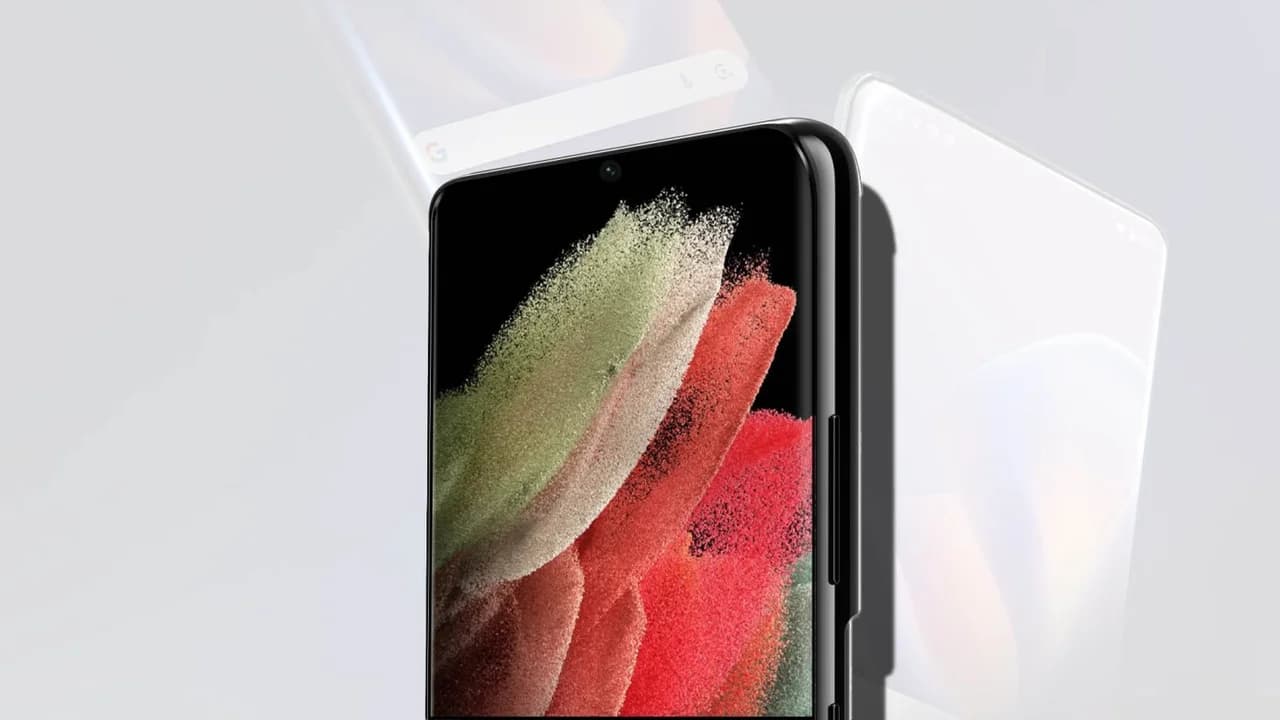
Samsung Electronics is advancing its development of a 3D curved display technology designed to challenge the iPhone 20's four-sided curved screen. The South Korean tech giant aims to deliver a display that curves on all four edges, providing a more immersive visual experience. This initiative underscores Samsung's commitment to maintaining its leadership in display innovation.
The new display technology, internally referred to as 3D curved, is expected to feature a glass substrate that bends smoothly on all sides. Unlike current curved displays that only curve on the left and right edges, this design incorporates curves at the top and bottom as well. Samsung's display division, Samsung Display, is reportedly leading the research and development efforts.
Industry sources indicate that Samsung has been testing various curvature radii to achieve an optimal balance between aesthetics and functionality. The company is also working on improving durability and touch sensitivity for the curved areas. Mass production of the 3D curved displays is anticipated to begin in 2025, aligning with the expected launch timeline of the iPhone 20.
Samsung's move comes as Apple is rumored to introduce a four-sided curved display on its iPhone 20 series, set for release in 2025. Apple's design is said to eliminate bezels entirely, creating a seamless glass surface. Samsung's 3D curved display aims to offer a similar or superior experience, potentially giving it an edge in the premium smartphone market.
The 3D curved display is expected to debut in Samsung's flagship Galaxy S series or a new foldable device. However, the company may also supply the displays to other smartphone manufacturers, including Apple. Samsung Display has been a key supplier of OLED panels for iPhones, and this technology could strengthen that partnership.
Samsung's display technology has evolved significantly over the years, from the first curved Galaxy phones to the current foldable screens. The 3D curved display represents the next step in this evolution, offering a more immersive and futuristic design. The company is also exploring ways to integrate under-display cameras and sensors into the curved areas.
Analysts suggest that the 3D curved display could face challenges in mass production due to the complexity of bending glass on all four sides. Samsung is reportedly investing in new manufacturing equipment and processes to overcome these hurdles. The company aims to achieve a yield rate comparable to existing curved displays by the time of launch.
Samsung has not officially confirmed the development of the 3D curved display. However, the company's patent filings and supply chain reports indicate active progress. The display is expected to be a key differentiator for Samsung's future smartphones, helping the company compete against Apple's anticipated design innovations. Samsung Display is scheduled to begin mass production of the new panels in the second half of 2025.
HMD Preloads Sarvam AI Chatbot on New Phone for Indian Market
HMD is bundling Sarvam's Indus chatbot app, which supports 22 Indic languages, on its new smartphone to target the Indian market. The move aims to attract local users with AI capabilities tailored to regional languages.
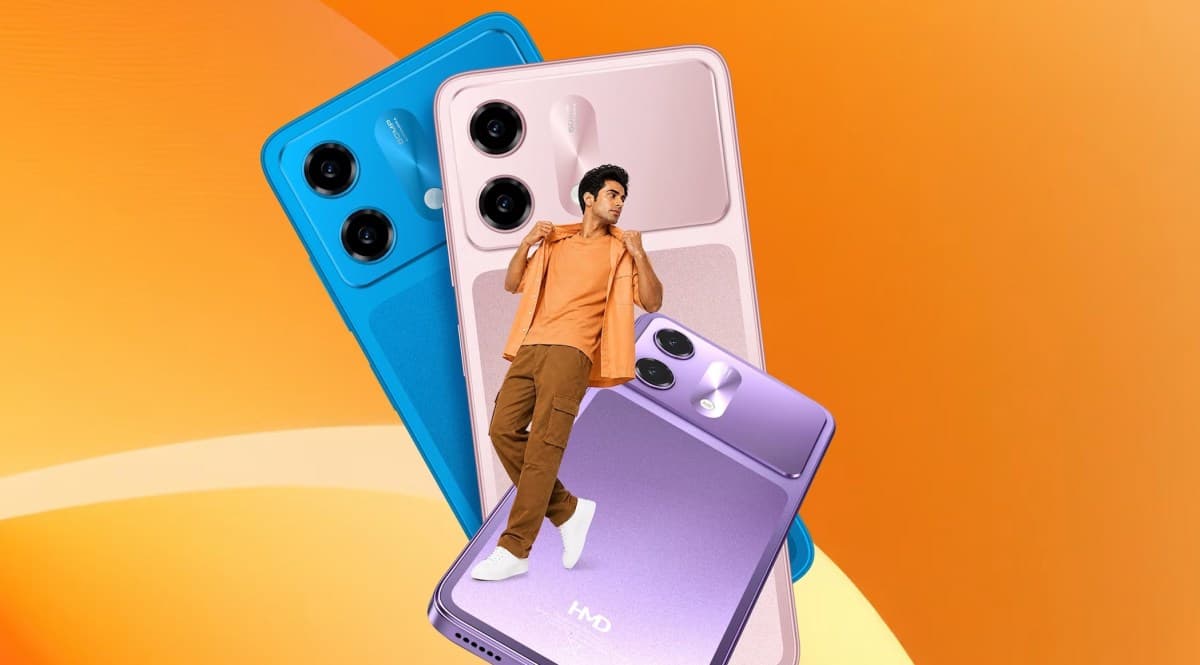
Finnish phone manufacturer HMD is pre-loading Sarvam's Indus chatbot app onto its latest smartphone, a strategic move to strengthen its presence in India. The Indus chatbot supports 22 Indic languages, offering voice and text interactions in languages such as Hindi, Bengali, Tamil, and Telugu. This integration marks HMD's effort to cater to India's diverse linguistic landscape.
The Indus chatbot, developed by Sarvam AI, is designed to handle complex queries and provide responses in multiple Indian languages. It leverages large language models fine-tuned on Indic language datasets. HMD's decision to bundle the app comes as the company seeks to differentiate its devices in a competitive market dominated by Chinese and Indian brands.
The smartphone, which HMD has not yet named, will feature the chatbot pre-installed and accessible from the home screen. Users can interact with the assistant for tasks like setting reminders, searching for information, or getting recommendations. The app works offline for basic functions, though internet connectivity enhances its capabilities.
HMD, known for reviving the Nokia brand, has been expanding its portfolio in India with affordable and mid-range devices. The company faces stiff competition from Xiaomi, Samsung, and Realme, which have established strong footholds. By integrating local AI features, HMD hopes to appeal to users seeking language-specific digital assistance.
Sarvam AI, founded by former Google and Microsoft engineers, focuses on building AI solutions for Indian languages. The startup's Indus chatbot has been adopted by several organizations for customer service and education. HMD's partnership with Sarvam underscores a growing trend of smartphone makers collaborating with local AI firms to enhance user experience.
The device is expected to launch in India within the next quarter, with pricing likely to be competitive. HMD has not disclosed the exact model or specifications, but the phone is rumored to feature a MediaTek processor and a 50-megapixel camera. The company plans to offer the phone through online and offline retail channels.
HMD's move aligns with India's push for digital inclusion, where language barriers often hinder technology adoption. The Indus chatbot's support for 22 languages could make the smartphone more accessible to non-English speakers. HMD has stated that the partnership with Sarvam is part of its broader strategy to localize products for key markets.
"We are committed to delivering technology that resonates with local users," said a HMD spokesperson. "By integrating Indus, we aim to provide a seamless and intuitive experience for Indian consumers." The phone is set to go on sale in India starting at ₹12,999, with pre-orders beginning next month.
Truecaller launches eSIM service in 29 countries to diversify revenue
Truecaller has entered the eSIM business, offering data plans from 1 GB over 7 days to 20 GB over 30 days. The service initially launches in 29 countries as the company seeks to diversify its revenue streams.
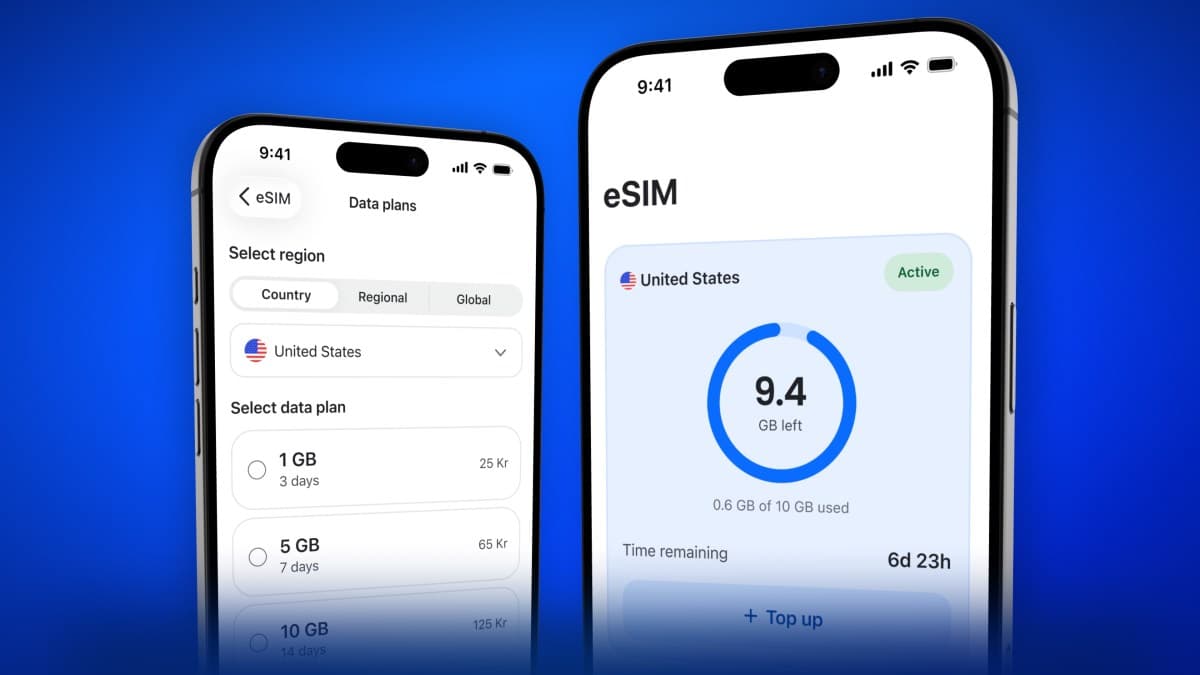
Truecaller announced its entry into the eSIM market on Tuesday, unveiling a new mobile data service. The company aims to reduce its reliance on its core caller identification business by branching into connectivity. The eSIM plans are designed for travelers and users seeking flexible data options without a long-term contract.
The service offers data packages ranging from 1 GB valid for 7 days to 20 GB valid for 30 days. Pricing details were not disclosed, but Truecaller stated the plans are competitively priced. The eSIM can be activated directly through the Truecaller app on compatible smartphones.
Truecaller's move into eSIM follows a trend of app-based companies expanding into telecom services. The company said the product targets the growing demand for digital SIMs, which allow users to switch carriers without physical SIM cards. The service is powered by a partnership with a global connectivity provider, though the partner was not named.
Initially, the eSIM service is available in 29 countries, including popular travel destinations. Truecaller plans to expand coverage to more regions in the future. The company emphasized that the service is designed for both domestic and international use, with no roaming fees in supported countries.
The launch comes as Truecaller seeks new revenue sources beyond advertising and premium subscriptions. The company reported over 300 million monthly active users globally, providing a large potential customer base for the eSIM offering. Truecaller's core app remains free, but the eSIM service is a paid add-on.
Truecaller CEO Alan Mamedi said in a statement that the eSIM product aligns with the company's mission to make communication safer and easier. He noted that the service simplifies connectivity for users who frequently travel or need temporary data plans. The company expects the eSIM business to contribute meaningfully to revenue over time.
The eSIM service is available starting today for Android and iOS users in the 29 launch countries. Users can purchase a plan through the Truecaller app and activate it immediately. The company said it will continue to add features and countries based on user feedback.
Truecaller's expansion into eSIM marks a strategic shift as it looks to monetize its user base beyond its traditional offerings. The company faces competition from established eSIM providers like Airalo and Holafly, but leverages its existing app ecosystem. The service is now live in the initial markets, with more details on pricing and coverage available on the Truecaller website.

Vibe coding brings AI-powered app creation to mobile devices
The concept of 'vibe coding' is expanding to smartphones, allowing users to create their own apps using AI tools. This shift promises to make app development accessible to anyone, directly from their phone.
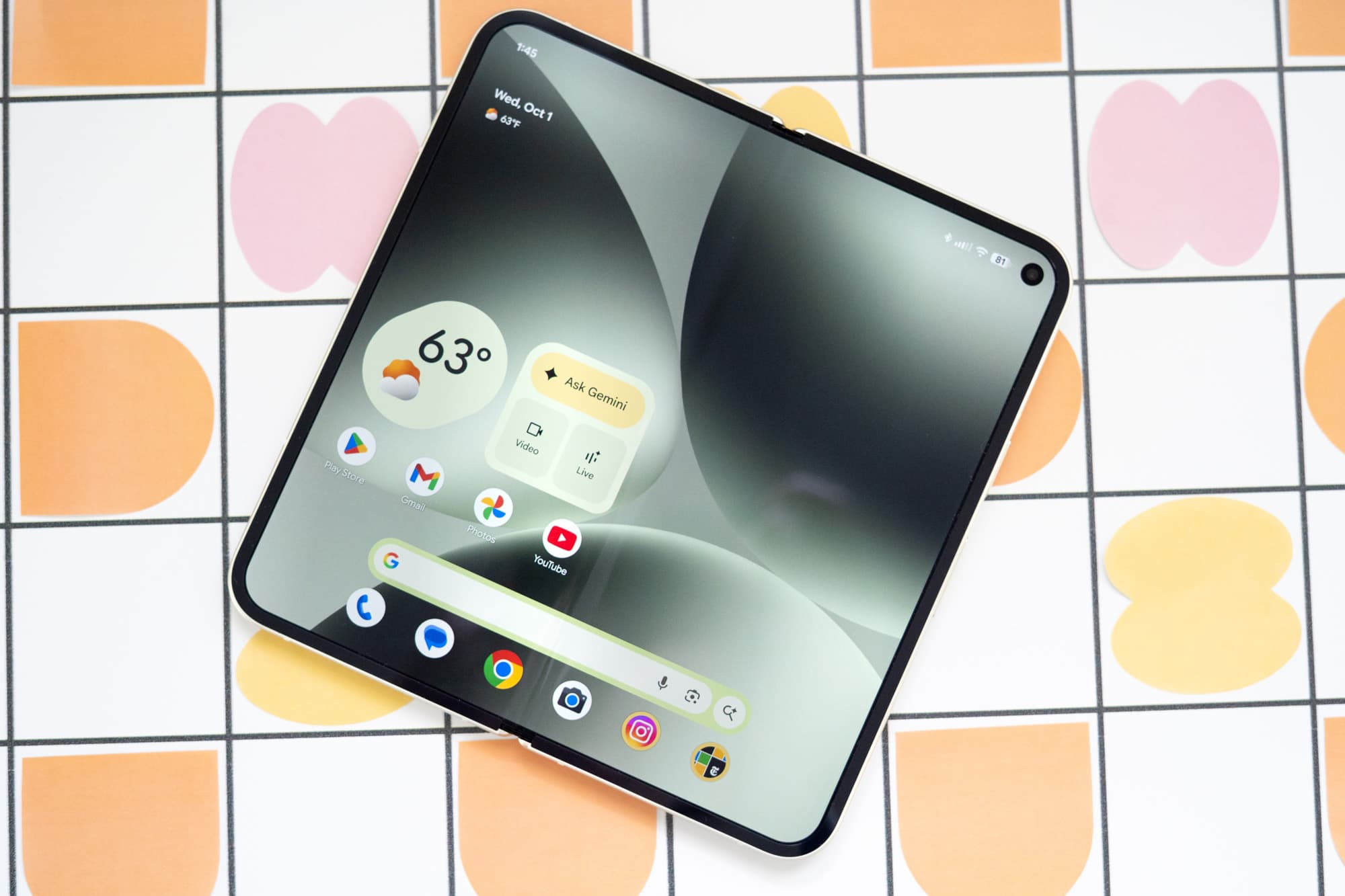
The App Store's original promise — 'There's an app for that' — has long shaped the smartphone experience. Users have spent years scrolling, tapping, and searching for the perfect app to meet their needs. But a new trend is emerging: creating your own app instead of searching for one. This concept, known as 'vibe coding,' is now making its way to mobile devices, putting app development directly into users' hands.
Vibe coding refers to using AI-powered tools to generate software based on natural language descriptions. Instead of writing code line by line, users describe what they want, and the AI builds the app. This approach has gained traction on desktop platforms, but its arrival on smartphones marks a significant expansion. The tools are designed to be intuitive, requiring no prior programming knowledge.
For smartphone users, this means the ability to craft custom solutions for everyday tasks. Need a specialized grocery list app that organizes items by aisle? Or a personal habit tracker with unique metrics? Vibe coding tools can generate these on the fly. The AI interprets the user's request, designs the interface, and writes the underlying code, all within a mobile environment.
The technology relies on large language models trained on vast code repositories. These models understand programming languages and can translate plain English into functional applications. On mobile, the process is streamlined: users type or speak their requirements, and the AI produces a working app in seconds. The resulting app can be saved to the home screen and used immediately.
This development could democratize app creation, shifting power from professional developers to everyday users. It aligns with a broader trend of no-code and low-code platforms, but vibe coding takes it further by eliminating the need for drag-and-drop interfaces. The AI handles the entire build process, from layout to logic.
However, the quality and complexity of AI-generated apps remain limited. Simple utility apps are well within reach, but more sophisticated software — such as games or apps requiring real-time data synchronization — may still challenge current tools. The Verge notes that while the promise is compelling, the reality may take time to match expectations.
Vibe coding tools are beginning to appear on both iOS and Android platforms. Some are integrated into existing AI assistants, while others are standalone apps. Pricing models vary, with some offering free tiers and others requiring subscriptions. The exact availability and pricing details are still emerging as the technology rolls out.
As of early 2026, vibe coding on phones is in its early stages. The Verge reports that the trend is gaining momentum, with more tools expected to launch in the coming months. For now, users can experiment with basic app creation, potentially discovering that their next favorite app is one they built themselves. The full story is available at The Verge.
Anker Zolo 10,000mAh MagSafe Power Bank Gets First Discount Since Late 2025
Anker's Zolo MagSafe power bank with built-in USB-C cable and kickstand is 20 percent off for Memorial Day, dropping to $39.99 at Amazon. The black version is also available at Newegg for $44.99 with a promo code.
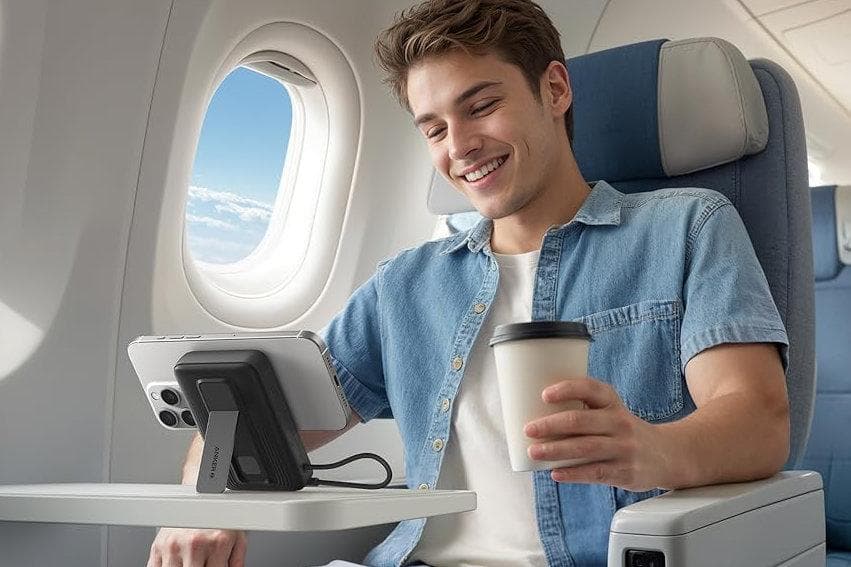
Anker's Zolo MagSafe power bank, a 10,000mAh model that includes a built-in braided USB-C cable and a kickstand, is currently discounted for Memorial Day. The black and white versions are priced at $39.99 on Amazon, marking a $10 reduction from the regular $49.99. This is the first discount the device has received since late 2025, according to the retailer's pricing history.
The power bank attaches to iPhones via MagSafe magnets and supports Qi wireless charging at 7.5W. While this speed is significantly lower than the 25W peak wireless charging available on newer iPhone models, it is sufficient for maintaining battery levels during work or video playback. The device also offers wired charging at up to 30W through its USB-C port.
Users can charge up to three devices simultaneously: one wirelessly, one via the built-in cable, and another through the spare USB-C port. However, total output drops to 15W when all three ports are in use. The kickstand allows the phone to be held upright while charging, making it convenient for hands-free use.
At Amazon, both color options are available for $39.99. The black version is also listed at Newegg for $44.99, with an additional discount available using promo code EDF25447 at checkout. The Newegg price before the code is $49.99.
The Zolo power bank's combination of features at this price point is notable, as many low-cost MagSafe accessories lack built-in cables or kickstands. The discount brings the device to a competitive price for those seeking a versatile portable charger.
Anker has not announced an end date for the Memorial Day promotion, but availability may be limited based on stock. The power bank is compatible with iPhone models that support MagSafe, as well as other Qi-compatible devices.
The $39.99 price at Amazon represents a 20 percent discount from the original $49.99. The Newegg offer with the promo code provides a similar savings of $5 off the listed price.