YouTube Shorts adds AI-powered remix feature using Gemini Omni
Google has introduced a new remix feature for YouTube Shorts that uses Gemini Omni to let users restyle clips or insert themselves into others' videos. The feature offers options like turning videos into pixel art, anime, or horror, and can alter content such as inflating heads or adding costumes.

Google announced a new YouTube Shorts Remix feature that leverages Gemini Omni to allow users to creatively reimagine existing clips. The update introduces a "reimagine" option when users click the remix icon at the bottom of a YouTube Short. This tool enables prompts that transform videos into various styles, including pixel art, anime, or found-footage horror films. Users can also modify content by inflating heads, inserting background actors, dressing people in pirate costumes, or even placing themselves into the clip. Creators retain control over whether their videos can be reimagined, with an option to enable or disable the feature. This move expands YouTube's remix capabilities, which previously focused on simple editing and collaboration. The feature is rolling out to users gradually, with availability on both mobile and desktop platforms. Google has not specified a full release date but confirmed the feature is live for some users now.
Status AI raises $17M to transform social media into interactive entertainment
Status AI has raised $17 million in seed and Series A funding to turn social media into interactive entertainment. The round was led by General Catalyst, with participation from YC, LightShed Ventures, and Abstract.
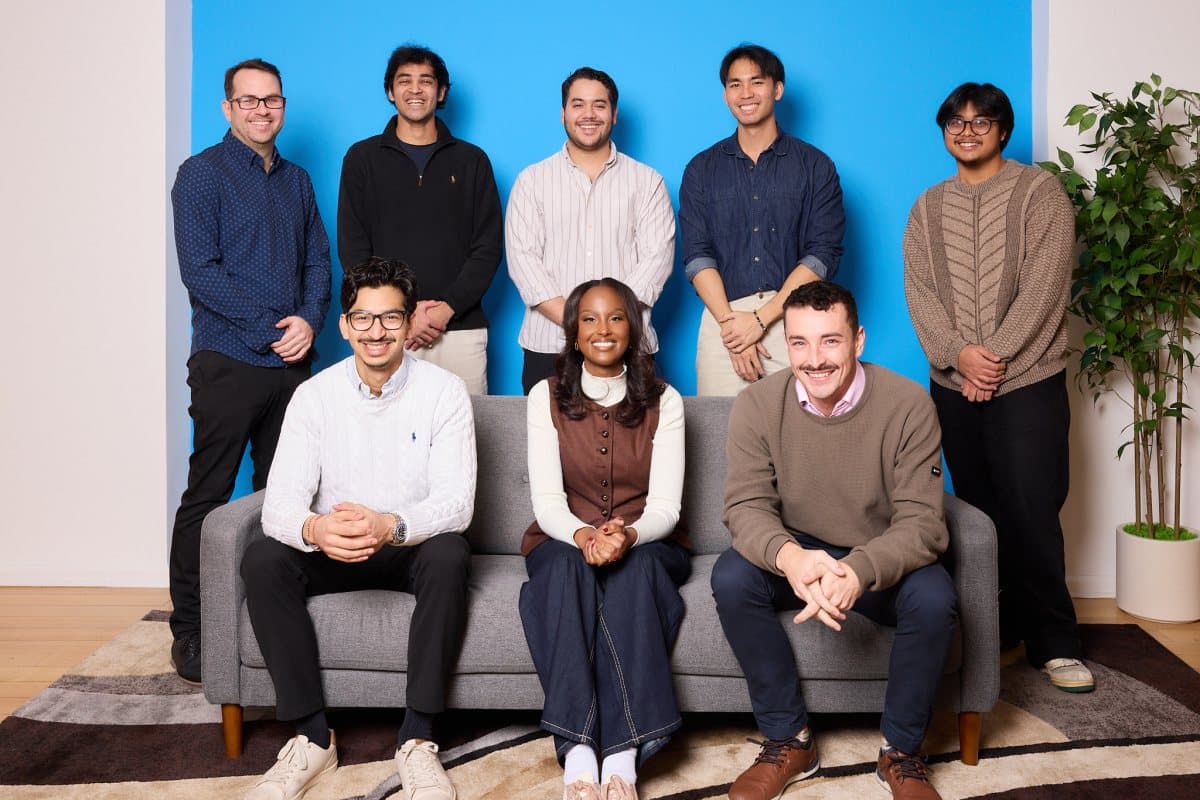
Status AI, a startup aiming to reimagine social media as interactive entertainment, announced Tuesday it has secured $17 million in combined seed and Series A funding. The round was led by General Catalyst, with participation from Y Combinator, LightShed Ventures, and Abstract. The company plans to use the capital to expand its engineering team and accelerate product development.
The platform, currently in beta, moves beyond the traditional feed-based model by offering users a gamified experience where they can create and participate in interactive content. Status AI describes its product as a "new kind of social entertainment" that blends elements of social media, gaming, and live events. Users can build custom avatars, join virtual spaces, and engage in real-time activities such as trivia, polls, and challenges.
Co-founder and CEO Alex K. said the inspiration came from observing how people increasingly seek more engaging and participatory online experiences. "The passive scroll is giving way to active play," he said. "We're building a platform where social interaction is the entertainment itself, not just a backdrop." The company has been testing the platform with a small group of users since late 2024.
Status AI's approach differs from conventional social networks by prioritizing real-time, synchronous interactions over asynchronous content sharing. The platform features "rooms" where users can gather for live games, watch parties, or collaborative storytelling. A proprietary recommendation engine surfaces activities based on user preferences and social graph data.
The funding round includes $5 million in seed financing raised earlier this year and a $12 million Series A closed in December. General Catalyst partner Niko Bonatsos said the firm was drawn to Status AI's vision of making social media "more fun and less passive." He added, "The team has a strong track record in gaming and social products, which gives us confidence in their ability to execute."
Status AI plans to launch publicly in the second quarter of 2025. The company will initially focus on the U.S. market, with a mobile-first experience available on iOS and Android. A web version is also in development. The platform will be free to use, with monetization expected through virtual goods, premium rooms, and brand partnerships.
"We're not trying to replace social media entirely," Alex K. said. "We're offering an alternative for moments when you want to do something together, not just watch what others are doing." The company has 15 employees and is hiring for engineering, design, and community management roles.
Status AI's announcement comes amid a broader shift toward interactive and immersive social experiences, with competitors like Discord and Roblox also vying for users' time. However, Status AI differentiates itself by focusing on short-form, drop-in activities rather than persistent worlds or long-form communication. The company believes this approach lowers the barrier to participation and encourages spontaneous social connection.
The $17 million funding round closed in December 2024, with the company disclosing the details on Tuesday. Status AI is headquartered in San Francisco and was founded in 2023 by Alex K. and a team of former gaming and social media executives.

Two Ontario First Nations Declare Joint Emergency Over Drug Trafficking Crisis
Long Lake #58 and Ginoogaming First Nations in northwestern Ontario have declared a joint state of emergency due to escalating drug trafficking-related crime and violence. The communities are calling for immediate federal and provincial support to address the crisis.
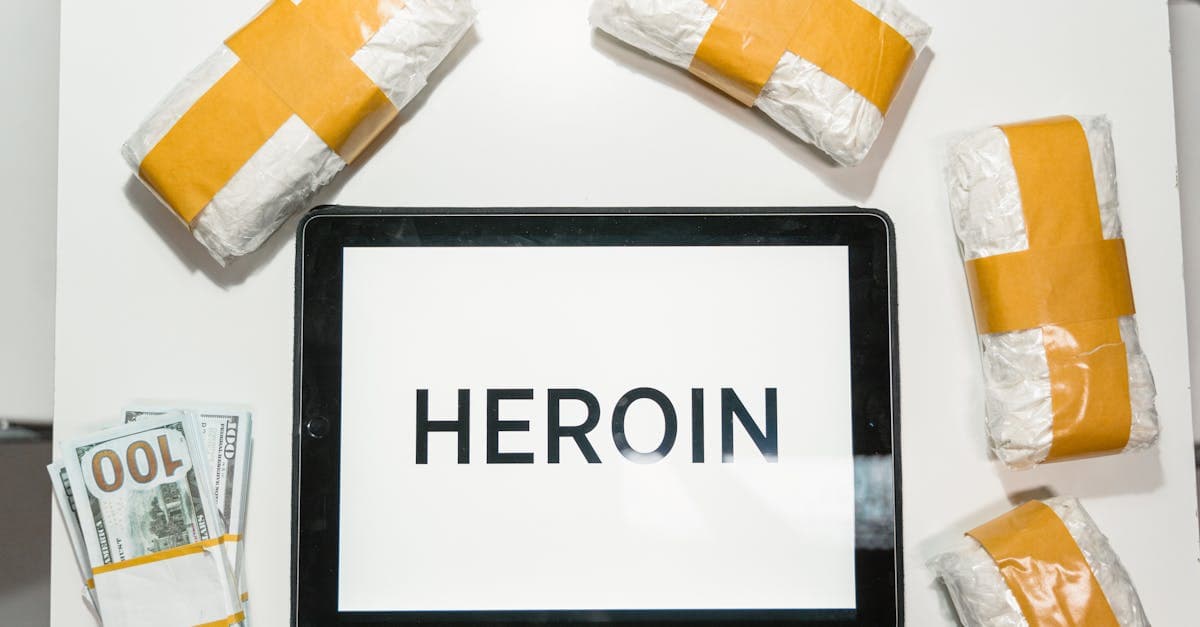
Two neighbouring First Nations in northwestern Ontario, Long Lake #58 First Nation and Ginoogaming First Nation, have jointly declared a state of emergency in response to a surge in drug trafficking and associated violence. The declaration, announced on Monday, highlights the communities' growing concern over the infiltration of illegal drugs and the resulting threats to public safety. Located approximately 300 kilometres north of Thunder Bay, the reserves have seen a dramatic increase in criminal activity linked to the drug trade, prompting leaders to take urgent action.
The emergency declaration cites a rise in violent incidents, including home invasions, assaults, and thefts, all tied to the trafficking of illicit substances such as fentanyl and methamphetamine. Community leaders report that drug dealers are increasingly targeting vulnerable residents, leading to a breakdown of social order. The chiefs of both nations have called for immediate intervention from federal and provincial authorities, including increased police presence and resources for addiction treatment programs.
Long Lake #58 First Nation Chief Judy Desmoulin emphasized that the crisis has reached a tipping point, with families living in fear and children exposed to dangerous situations. Ginoogaming First Nation Chief Celia Echum echoed these concerns, stating that the drug trade is eroding the cultural and social fabric of the communities. The joint declaration aims to pressure higher levels of government to provide funding and support for enhanced security measures and community wellness initiatives.
The situation in these First Nations reflects a broader trend across remote Indigenous communities in Canada, where limited law enforcement resources and geographic isolation have made them targets for drug traffickers. Similar emergencies have been declared in other Ontario First Nations, such as Kashechewan and Attawapiskat, as the opioid crisis continues to devastate rural and northern areas. The lack of access to addiction services and mental health support has exacerbated the problem, leaving communities to grapple with the fallout alone.
Residents of Long Lake #58 and Ginoogaming have reported an increase in suspicious vehicles and strangers entering the reserves, often under the cover of darkness. The drug trade has also fueled property crimes, with homes and vehicles being broken into to fund addictions. Local leaders have implemented curfews and community patrols, but these measures are seen as temporary fixes without sustained government support.
The impact on daily life has been profound, with many residents feeling unsafe in their own homes. Schools and community centres have reported heightened anxiety among children and staff. The chiefs are urging the Ontario government to deploy additional officers from the Ontario Provincial Police and to fund a dedicated drug enforcement unit for the region. They are also calling for more detox beds and long-term treatment facilities to help those struggling with addiction.
As the emergency declaration takes effect, the First Nations are preparing to meet with federal and provincial officials to discuss a coordinated response. The immediate next steps include requesting a joint task force to target drug suppliers and distributors. Community leaders are also exploring legal avenues to hold traffickers accountable under Indigenous law, though such efforts face jurisdictional challenges.
While the declaration has brought attention to the crisis, many unknowns remain about how quickly resources will arrive. The chiefs have stressed that without swift action, the violence and addiction will continue to escalate. They hope this joint declaration will serve as a wake-up call to policymakers and lead to lasting solutions that address the root causes of drug trafficking in Indigenous communities.

Hillary Clinton, Chuck D, and Sophia Bush Attend AMERIGO Documentary Premiere in NYC
The exclusive screening and discussion of the documentary 'AMERIGO: The Search for the American Dream' took place on May 15, 2026, at the Directors Guild of America Theater in New York City, featuring notable attendees including Secretary Hillary Clinton, Chuck D, and Sophia Bush.

On Friday, May 15, 2026, the documentary 'AMERIGO: The Search for the American Dream' held its exclusive screening and discussion at the Directors Guild of America Theater in New York City. The event drew a star-studded lineup of attendees, including former Secretary of State Hillary Clinton, hip-hop icon Chuck D, political scientist Ian Bremmer, entrepreneur David McCourt, actress Sophia Bush, soccer star Ashlyn Harris, and actress Busy Philipps. The screening marked a significant moment for the documentary, which explores the evolving concept of the American dream in contemporary society.
The documentary delves into the personal stories of individuals from diverse backgrounds, examining how their pursuits of success and happiness align with or challenge traditional notions of the American dream. Through interviews and narrative arcs, 'AMERIGO' highlights the economic, social, and cultural shifts that have redefined what it means to achieve prosperity in the United States. The film features commentary from thought leaders and everyday citizens, offering a multifaceted perspective on this enduring ideal.
Following the screening, a panel discussion moderated by Ian Bremmer brought together several attendees to debate the themes raised in the documentary. Hillary Clinton shared insights on the role of policy in shaping opportunities, while Chuck D discussed the impact of music and activism on cultural perceptions of success. Sophia Bush emphasized the importance of community and resilience, and Ashlyn Harris spoke about the challenges faced by women in sports. The discussion provided a platform for candid dialogue on the state of the American dream today.
The event was organized by the documentary's production team, who aimed to foster a deeper understanding of the American dream's relevance in the 21st century. The Directors Guild of America Theater, located at 110 West 57th Street, provided an intimate setting for the exclusive gathering. Attendees included a mix of industry professionals, media personalities, and invited guests, all eager to engage with the film's content.
'AMERIGO' has been in development for several years, with filmmakers traveling across the country to capture stories from rural towns, urban centers, and immigrant communities. The documentary seeks to counter simplistic narratives by presenting a nuanced view of the American dream, acknowledging both its attainability and its challenges for different groups. Early reviews have praised the film for its balanced approach and emotional depth.
The screening comes at a time of heightened public discourse around economic inequality, social mobility, and national identity in the United States. By convening influential figures from politics, entertainment, and sports, the event aimed to spark conversations that extend beyond the theater. The documentary is expected to have a wider release later this year, with plans for additional screenings and virtual discussions.
For those unable to attend the New York premiere, the documentary's team has announced a series of community screenings in select cities, followed by a streaming release. The film is also being submitted to several film festivals for consideration. As the conversation around the American dream continues to evolve, 'AMERIGO' positions itself as a timely and thought-provoking contribution to the national dialogue.