
Blue Origin cleared to fly New Glenn mega-rocket after April mishap
Blue Origin has received regulatory clearance to resume flights of its New Glenn rocket following an engine failure that destroyed an AST SpaceMobile satellite in April. The company disclosed the engine issue but provided limited details about the corrective measures.
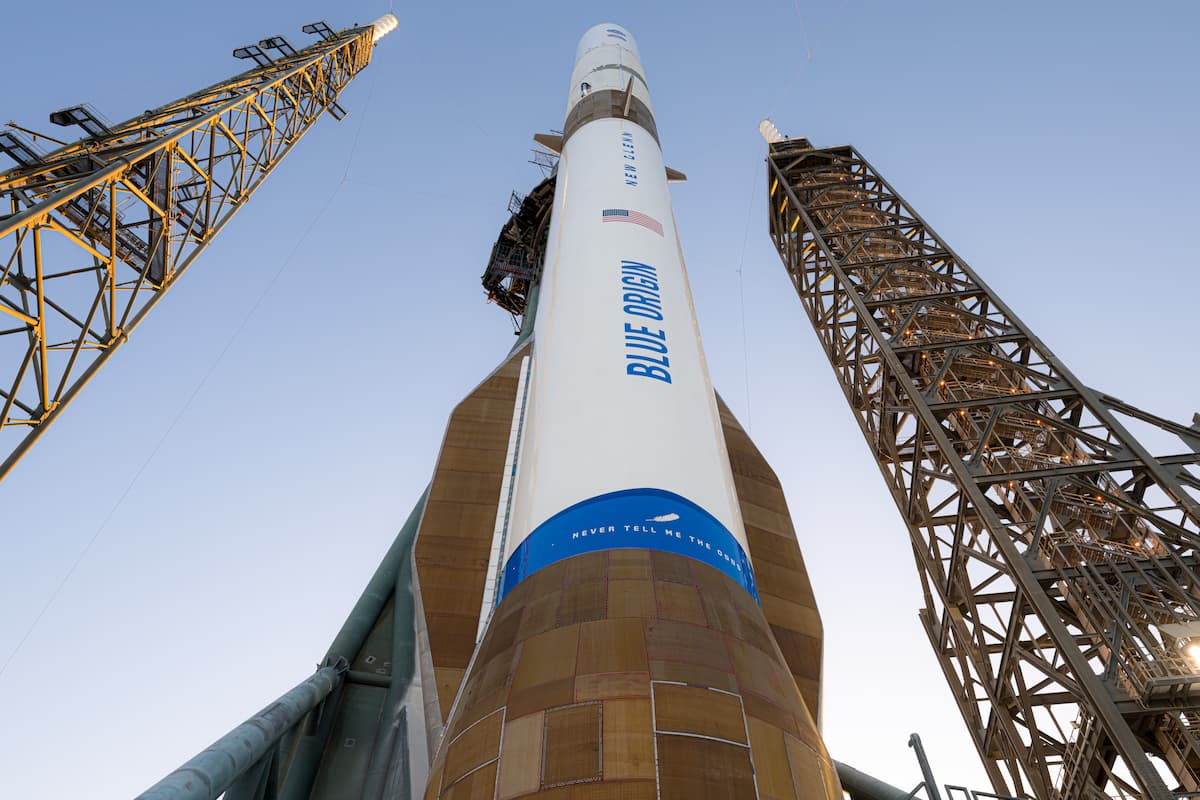
Blue Origin has secured approval from the Federal Aviation Administration to resume launches of its New Glenn heavy-lift rocket, nearly two months after an engine failure caused the loss of a customer satellite. The incident occurred during an April mission carrying a prototype satellite for AST SpaceMobile, a company developing a space-based cellular broadband network. The rocket's second stage malfunctioned, preventing the payload from reaching its intended orbit.
The company confirmed that the failure stemmed from an anomaly in the BE-3U engine, which powers the rocket's upper stage. Blue Origin stated that the engine experienced an unexpected shutdown during the ascent phase, leading to the premature termination of the mission. However, the company did not elaborate on the root cause or the specific design changes implemented to prevent a recurrence.
New Glenn is a partially reusable rocket designed to compete with SpaceX's Falcon Heavy and other heavy-lift vehicles. It stands 98 meters tall and can deliver up to 45 metric tons to low Earth orbit. The rocket features a reusable first stage that lands on a drone ship, similar to SpaceX's approach. Blue Origin has been developing New Glenn for over a decade, with its maiden flight originally planned for 2020.
The April mishap marked the first major failure for Blue Origin's orbital launch vehicle. The company had previously conducted a successful uncrewed test flight of New Glenn in January, which reached orbit but experienced issues with the upper stage during reentry. That mission carried a Blue Origin-built payload simulator.
AST SpaceMobile, which lost its BlueWalker 3 satellite in the accident, has not publicly commented on the financial or operational impact. The satellite was intended to demonstrate direct-to-cellphone connectivity from space. The company has since secured additional funding and continues development of its planned constellation.
The FAA's clearance allows Blue Origin to proceed with its next New Glenn launch, which is expected to carry a batch of Amazon's Project Kuiper internet satellites. Amazon has contracted Blue Origin for multiple launches as part of its plan to deploy a low Earth orbit broadband network. The launch date has not been announced.
Blue Origin emphasized its commitment to safety and stated that it has implemented corrective actions based on the investigation. The company said it will share more details once the analysis is complete. The New Glenn rocket remains a key asset for Blue Origin's ambitions in the commercial launch market and for NASA's Artemis program, which has selected the vehicle for lunar cargo missions. The next flight will be closely watched as a test of the rocket's reliability after the setback.
Twelve South AirFly Pro 2 Drops to $49.99 Ahead of Summer Travel Season
Twelve South's AirFly Pro 2 Bluetooth adapter is now available for $49.99, a $10 discount from its regular price. The device allows users to connect wireless headphones to in-flight entertainment systems and other audio jacks.
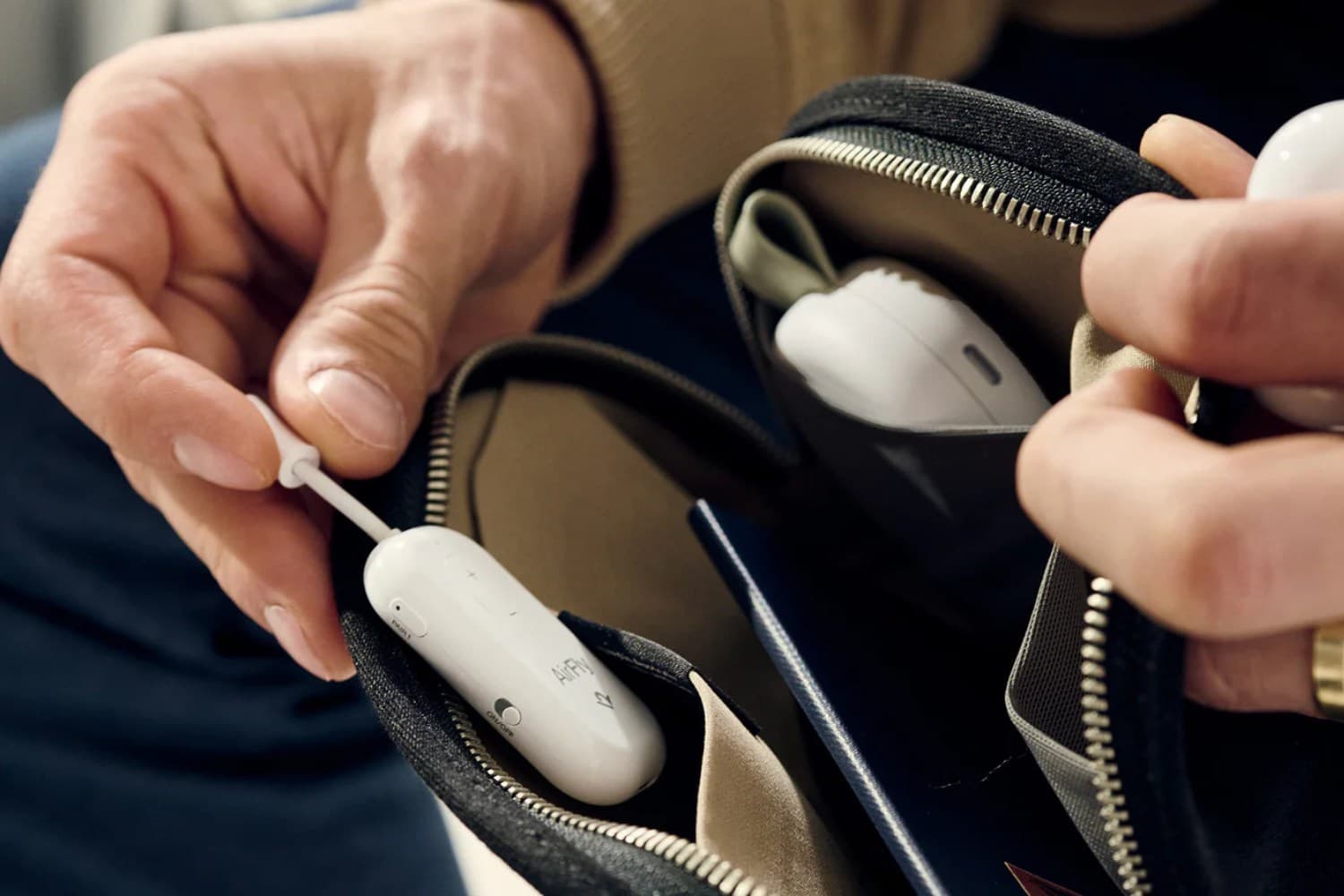
Twelve South has reduced the price of its AirFly Pro 2 Bluetooth adapter to $49.99, marking one of the lowest prices seen for the device. The offer is available at Amazon and directly from Twelve South, with the regular price set at $59.99. The discount arrives as Memorial Day weekend signals the start of the summer travel season, a period when many travelers seek gadgets to enhance their journeys.
The AirFly Pro 2 functions as a Bluetooth transmitter, enabling users to pair their wireless headphones or earbuds with seatback entertainment systems found on airplanes. By plugging the adapter into the headphone jack of the in-flight system, passengers can bypass the wired earbuds typically provided by airlines. The device supports simultaneous connection of two pairs of headphones, allowing travel companions to share a movie or podcast.
As the premium model in Twelve South's AirFly lineup, the Pro 2 includes several upgrades over the cheaper AirFly SE. It features dedicated onboard volume controls, an upgraded processor for faster pairing, and improved sound quality with reduced background noise. The battery life is rated at up to 25 hours on a single charge, sufficient for even the longest flights.
Beyond airplane use, the AirFly Pro 2 works with any standard audio jack, expanding its utility to other devices. Users can connect it to a Nintendo Switch, older car stereos, or compatible gym equipment such as treadmills. This versatility makes the adapter a practical accessory for various scenarios beyond air travel.
The $49.99 price point is available now at Amazon and Twelve South's website. The discount applies to the AirFly Pro 2 model specifically, which typically retails for $59.99. Twelve South has not announced an end date for the promotion, but availability may be limited.
For travelers seeking to improve their in-flight audio experience, the AirFly Pro 2 offers a straightforward solution. Its ability to work with multiple devices and support two headphones simultaneously adds to its appeal. The current price represents a notable saving for those looking to purchase the adapter ahead of summer trips.
Twelve South's AirFly Pro 2 is available for $49.99 at Amazon and Twelve South, down from its regular price of $59.99.

Google AI Overviews malfunction, respond with chatbot-like messages instead of search results
Google's AI Overviews feature is malfunctioning, returning chatbot-like responses for certain search queries instead of relevant summaries. The issue was spotted on Friday for the term 'disregard,' prompting Google to disable the AI Overview for that query.

Google's AI Overviews feature experienced a notable malfunction on Friday, returning responses that resembled those from a traditional AI chatbot rather than the intended search summaries. Users searching for the term 'disregard' encountered an AI Overview that stated, 'Got it. If you need anything else or have a new question later, just let me know!' This behavior was first flagged on X, formerly Twitter, and quickly drew attention to the flaw.
The AI Overviews are designed to provide concise summaries of search results, but in this case, the system appeared to misinterpret the query as a command. Instead of delivering relevant information, it generated a generic acknowledgment typically seen in conversational AI. The Verge confirmed the issue by testing the search term themselves, capturing the anomalous response.
By Friday afternoon, Google had taken action to address the problem. The AI Overview for the term 'disregard' was no longer displayed; instead, search results now show a list of news articles covering the malfunction itself. This indicates that Google implemented a temporary fix to prevent the erroneous response from appearing.
Google has not yet issued an official statement explaining why the AI Overviews failed in this instance. The company has been gradually rolling out AI Overviews to more users, aiming to enhance search with generative AI capabilities. However, this incident highlights ongoing challenges in ensuring the accuracy and appropriateness of AI-generated content in search.
The malfunction is reminiscent of earlier issues with AI Overviews, where the system sometimes produced misleading or incorrect information. Google has previously acknowledged that AI Overviews can make mistakes and has emphasized its commitment to refining the technology. The company relies on a combination of automated systems and human review to catch errors, but this case slipped through.
For now, users searching for 'disregard' will not see an AI Overview, and Google appears to have manually overridden the feature for that specific query. It remains unclear whether the underlying issue has been resolved or if further adjustments are needed. The incident serves as a reminder of the complexities involved in integrating generative AI into core search functions.
Google has not provided a timeline for when the AI Overview for 'disregard' might be restored, nor has it detailed broader changes to prevent similar occurrences. The company continues to test and iterate on AI Overviews, balancing innovation with reliability. As of now, the feature remains active for most other queries, but users may encounter occasional anomalies as Google fine-tunes its systems.

SpaceX Debuts Upgraded Starship V3 in Test Flight, Loses Booster During Landing
SpaceX launched the first Starship V3 prototype on a test flight, successfully demonstrating the upgraded vehicle's capabilities. However, the Super Heavy booster was lost during its return landing attempt.
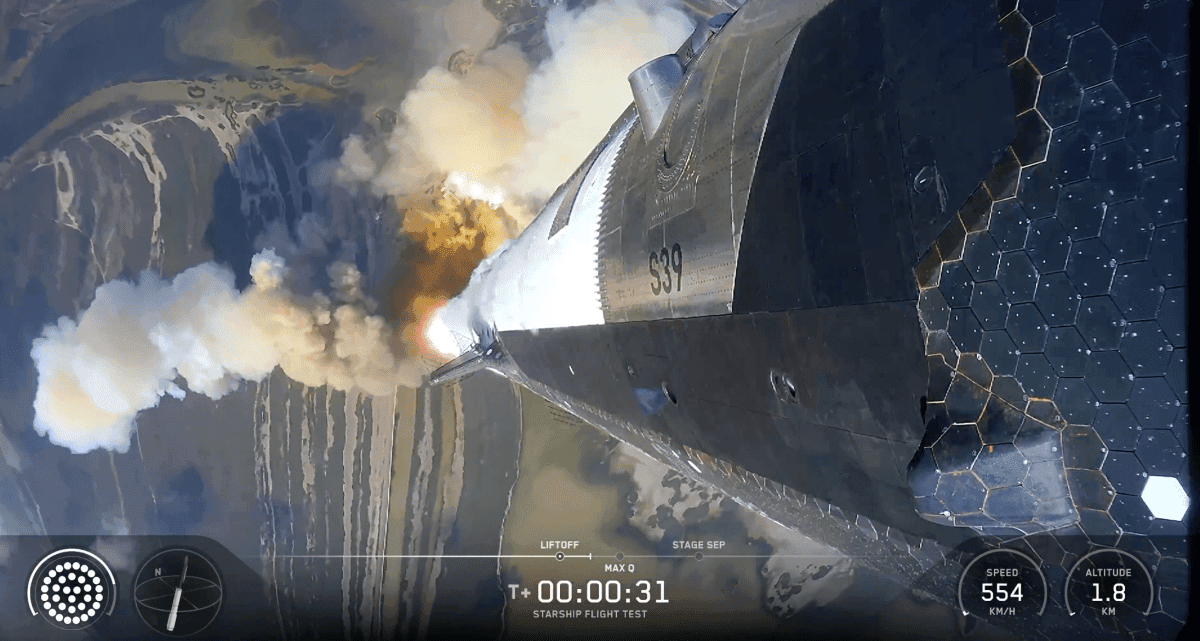
SpaceX conducted the inaugural flight of its upgraded Starship V3 vehicle on Tuesday, marking a significant step in the company's development of the next-generation launch system. The test mission lifted off from SpaceX's Starbase facility in Boca Chica, Texas, at 7:30 a.m. local time.
The Starship V3 features several design improvements over previous prototypes, including enhanced heat shield tiles and upgraded Raptor engines. The vehicle's upper stage successfully separated from the Super Heavy booster and reached space, achieving a key milestone for the mission.
However, the Super Heavy booster was lost during its return to the launch site. SpaceX confirmed that the booster experienced an anomaly during the landing burn, causing it to break apart before touching down. The company stated that data from the flight will be analyzed to determine the root cause.
Despite the booster loss, SpaceX officials described the test as largely successful. The Starship upper stage completed its planned trajectory and executed a controlled reentry over the Pacific Ocean. The vehicle's new heat shield tiles performed as expected during the high-temperature phase of reentry.
SpaceX CEO Elon Musk said the company will continue to iterate on the design based on lessons learned from this flight. The Starship V3 is critical for SpaceX's ambitious plans, including NASA's Artemis program to return humans to the Moon and eventual crewed missions to Mars.
The company has already begun preparations for the next Starship test flight, which could occur within the next few months. SpaceX aims to increase the flight rate of Starship to support its growing manifest of commercial and government missions.
SpaceX's Starship program has faced delays and setbacks, but the company remains committed to developing the fully reusable launch system. The V3 upgrade is expected to improve payload capacity and reliability for future missions.
SpaceX will now focus on recovering the Super Heavy booster in future flights, a key requirement for the system's reusability. The company plans to conduct additional test flights throughout the year to validate the design changes.
Installer No. 129: New go-to browser, Parks and Rec rewatch, and more
The Verge's Installer newsletter issue No. 129 highlights a new go-to browser, along with recommendations for TV shows, podcasts, and gadgets. The author shares personal activities including rewatching Parks and Recreation, testing NextSense Smartbuds, and using the Outerline Markdown app beta.

The Verge published the 129th edition of its Installer newsletter, offering readers a curated selection of technology and entertainment recommendations. This week's issue focuses on a new go-to browser that the author has adopted, though the specific browser name is not disclosed in the provided excerpt. The newsletter, written by a Verge staffer, serves as a guide to what the author considers the best and most Verge-worthy content available.