
Google Adds Disco Ball Icons to Pixel Home Screen Customization
Google has introduced disco ball-themed icons for Pixel devices, allowing users to customize their home screens with a glittery aesthetic. The feature is part of a broader update to the Pixel customization options.
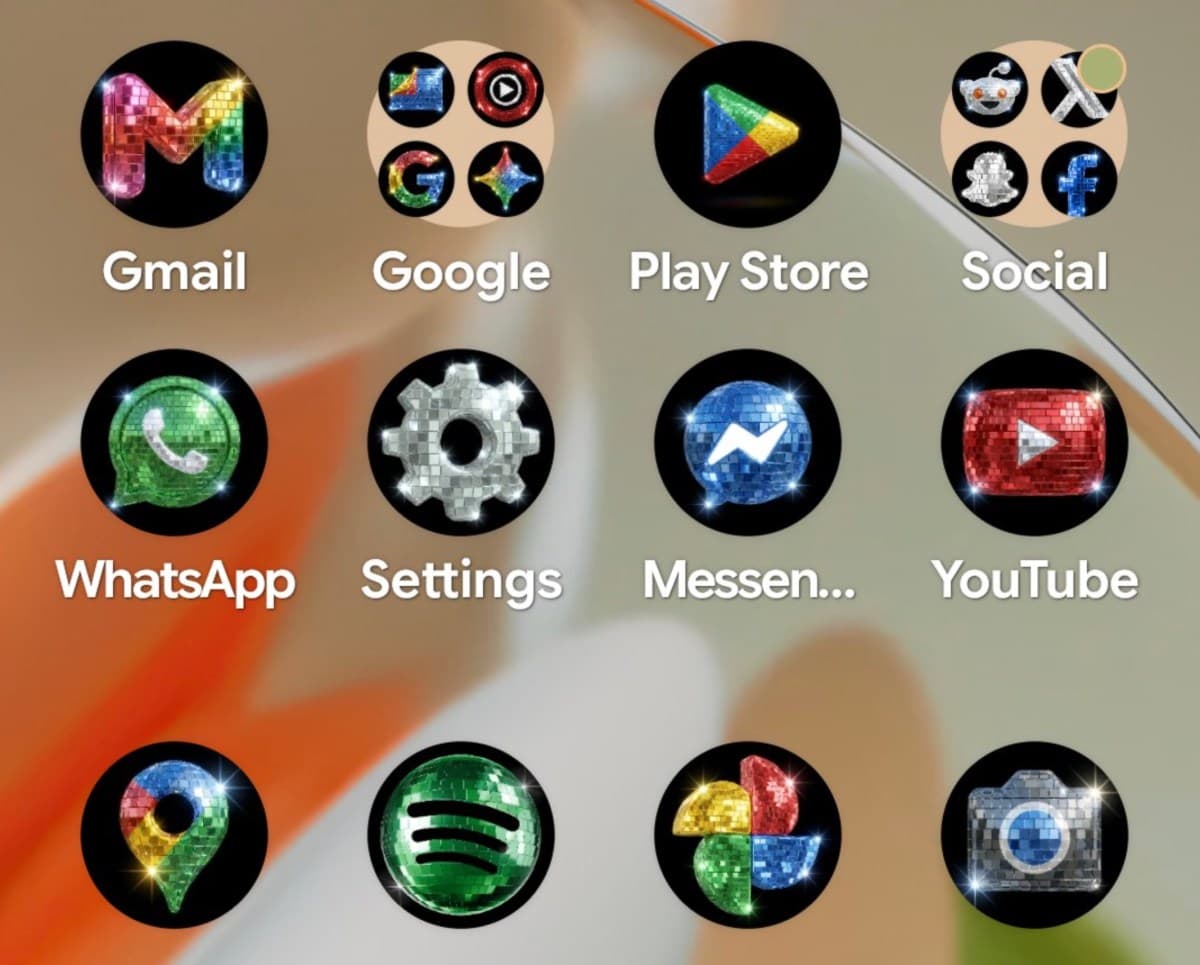
Google has rolled out a new customization feature for Pixel smartphones, enabling users to transform their home screen icons into disco balls. The update, announced on the company's official blog, adds a playful glitter effect to app icons, giving the interface a retro dance-floor vibe. The feature is available for all Pixel devices running Android 14 or later.
The disco ball icons are part of Google's ongoing efforts to expand personalization options for Pixel users. The company has previously introduced themed icons, color palettes, and dynamic wallpapers. The new option can be accessed through the Wallpaper & Style settings, where users can toggle the "Disco ball icons" switch. Once enabled, the icons will shimmer with a reflective, multicolored effect.
Google's product manager for Pixel customization, Sarah Kim, stated that the feature was inspired by user feedback requesting more playful and expressive design choices. "We wanted to bring a bit of fun and nostalgia to the home screen," Kim said. The disco ball effect is applied system-wide, covering all third-party apps as well as Google's own applications.
The update also includes a new set of matching wallpapers that feature disco ball patterns and gradients. Users can choose from static or animated versions, with the latter responding to touch interactions. The wallpapers are designed to complement the icon effect, creating a cohesive look.
Early adopters on social media have shared mixed reactions, with some praising the whimsical design and others questioning its practicality. One user on X (formerly Twitter) asked, "Are y'all sure you still want this?" in response to the announcement. Google acknowledged the feedback, noting that the feature is optional and can be easily disabled.
The disco ball icons are rolling out gradually via the Google Play Services update. Users can check for the update by navigating to Settings > System > System update. The feature is expected to reach all Pixel devices within the next few days.
Google has not announced plans to bring the disco ball icons to non-Pixel Android devices. The company typically reserves such customization features for its own hardware, though some third-party launchers may offer similar functionality. The update is part of a series of smaller enhancements Google has been adding to Pixel devices ahead of the anticipated Pixel 9 launch later this year.
For now, Pixel owners can enjoy the glittery icons as a temporary novelty or a permanent fixture on their home screens. As one Google spokesperson put it, "Sometimes you just need a little sparkle in your day."
Apple's Customer Satisfaction Drops Below Samsung for First Time Since iPhone 11
Apple's customer satisfaction score fell to 80%, dropping below Samsung for the first time since the iPhone 11 era. The decline marks a shift in the smartphone market's satisfaction rankings.
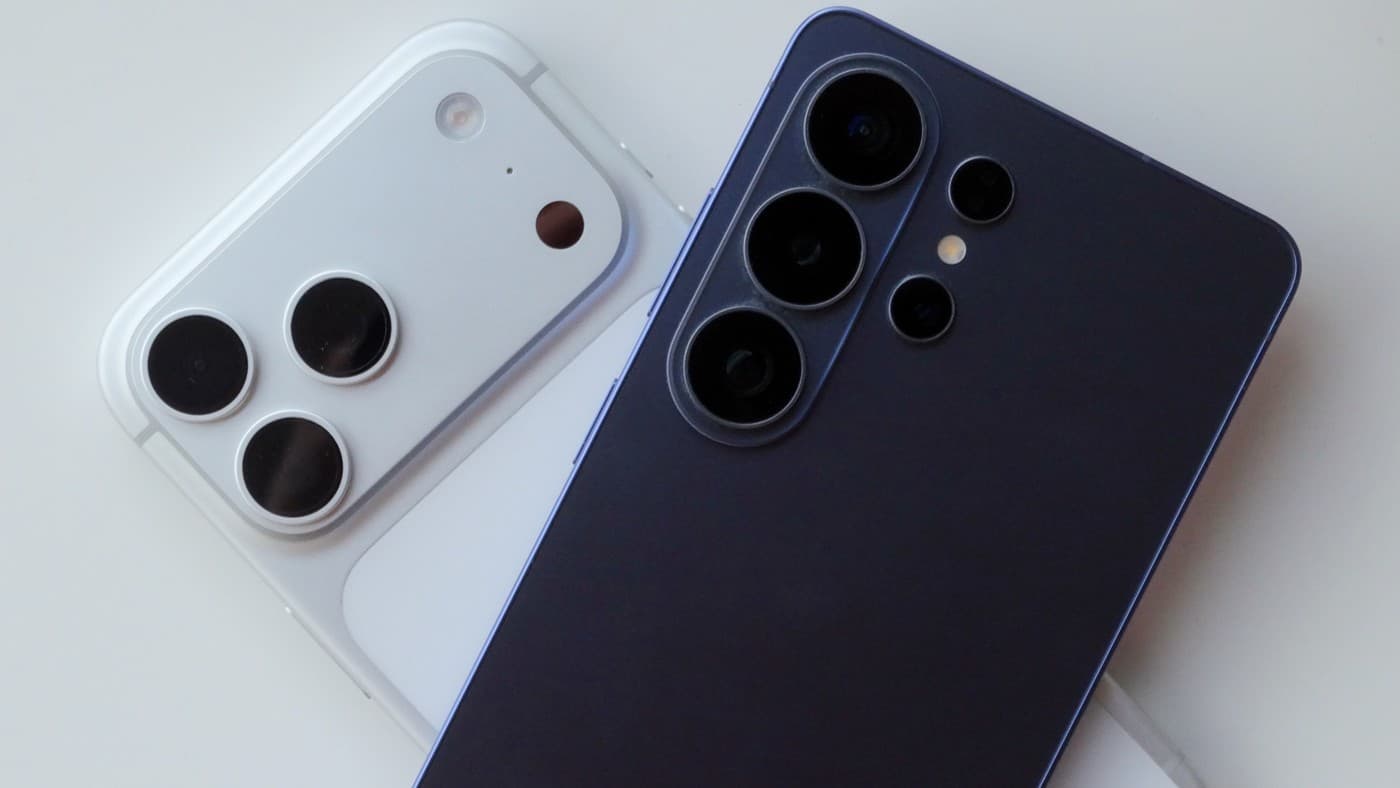
Apple has lost its lead in smartphone customer satisfaction, a position it held for years. The company's satisfaction score dropped to 80%, falling behind Samsung for the first time since the iPhone 11 launch. This shift marks a notable change in the competitive landscape of the mobile industry.
The decline in Apple's satisfaction rating comes from recent surveys tracking consumer sentiment. Samsung now leads with a higher score, though exact figures for Samsung were not disclosed. The data reflects feedback from users regarding device performance, features, and overall experience.
Apple's satisfaction score had remained consistently high since the iPhone 11 series. The iPhone 11, released in 2019, set a benchmark for user approval. However, subsequent models have not maintained the same level of enthusiasm among customers.
Factors contributing to the drop may include changes in design, pricing, or feature updates. Some users have expressed concerns about innovation pace and value for money. The lack of major hardware upgrades in recent iterations could be influencing perceptions.
Samsung's rise in satisfaction can be attributed to its diverse product lineup and aggressive feature integration. The company has focused on foldable devices, camera improvements, and software enhancements. These efforts appear to resonate well with consumers.
The survey results are based on responses from a broad sample of smartphone users. The margin of error and methodology were not specified in the source. However, the trend indicates a shift in brand loyalty and user preferences.
Apple has not officially commented on the satisfaction score decline. The company continues to emphasize customer experience and ecosystem integration. Future product releases may aim to address the factors behind the dip.
Samsung's lead in satisfaction could pressure Apple to innovate more aggressively. The competition between the two giants remains intense, with each vying for consumer approval. The latest data suggests that user expectations are evolving rapidly.
Oppo Find X9 Ultra vs. Vivo X300 Ultra: Telephoto Camera Showdown
The Oppo Find X9 Ultra and Vivo X300 Ultra go head-to-head in a comparison of their telephoto camera capabilities. Both devices feature advanced periscope zoom lenses, but they differ in sensor size, aperture, and image processing.
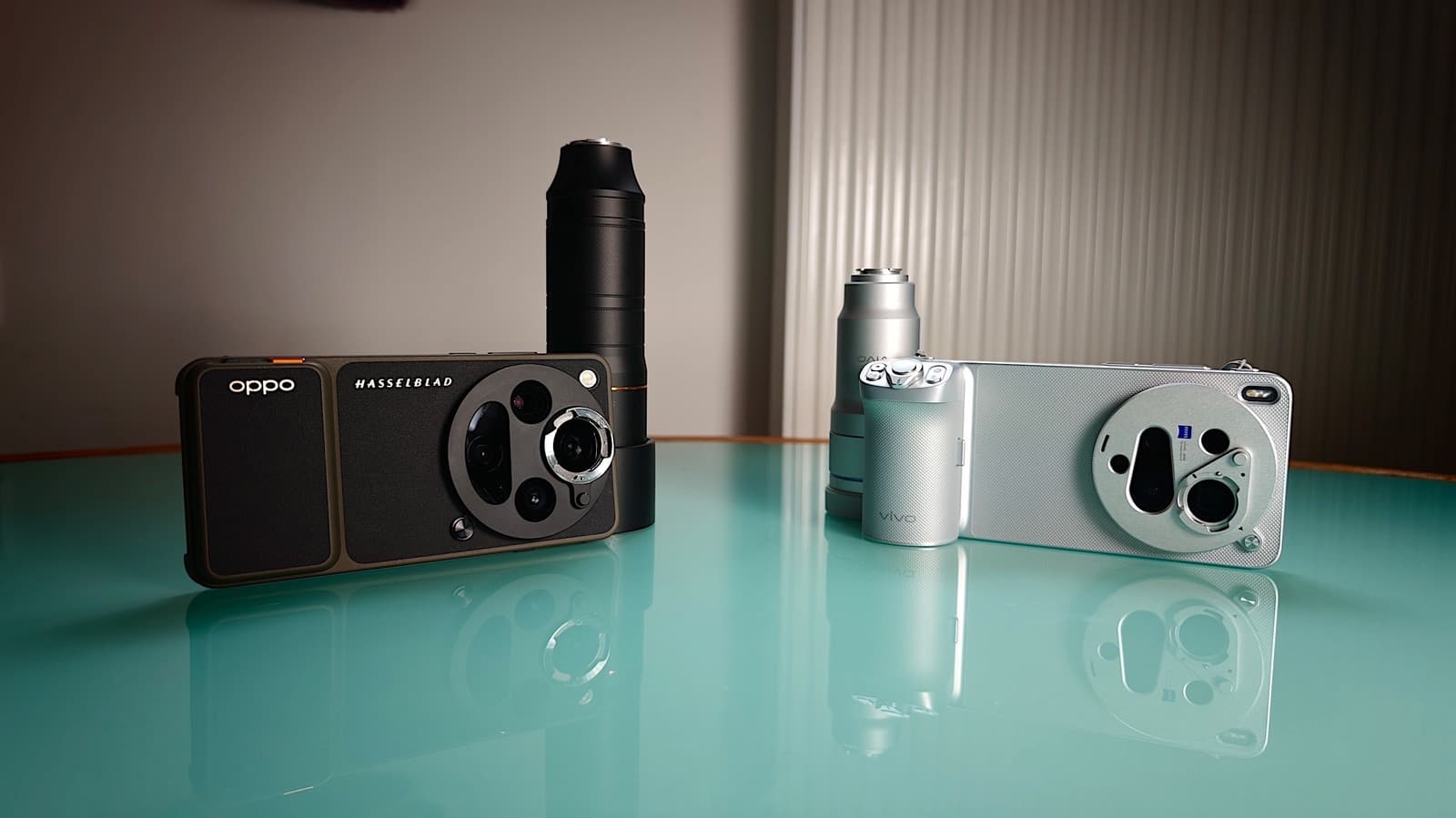
Oppo and Vivo have each released flagship smartphones that push the boundaries of mobile photography. The Oppo Find X9 Ultra and Vivo X300 Ultra both feature dedicated telephoto lenses designed for high-quality zoom shots. Oppo's device includes a 50-megapixel periscope lens with 5x optical zoom, while Vivo's X300 Ultra offers a 64-megapixel periscope lens with 4.4x optical zoom. Both phones use advanced algorithms to enhance image quality at higher zoom levels.
The Oppo Find X9 Ultra relies on a Sony IMX989 sensor for its main camera, paired with a 50-megapixel ultrawide lens and a 50-megapixel telephoto lens. The telephoto lens has an f/2.6 aperture and supports optical image stabilization. Vivo's X300 Ultra uses a custom Samsung ISOCELL GN2 sensor for its main camera, along with a 48-megapixel ultrawide and a 64-megapixel telephoto lens with an f/3.5 aperture and OIS. Both phones can capture 8K video at 30 frames per second.
In testing, the Oppo Find X9 Ultra produced sharper images at 5x zoom compared to the Vivo X300 Ultra at 4.4x zoom. However, the Vivo device performed better in low-light conditions due to its larger pixel size and improved noise reduction. At 10x hybrid zoom, the Oppo phone maintained better detail, while the Vivo phone showed more consistent color accuracy across the frame.
Both smartphones offer dedicated portrait modes that leverage the telephoto lenses. The Oppo Find X9 Ultra uses a 50-megapixel front-facing camera for selfies, while the Vivo X300 Ultra has a 32-megapixel front camera. In portrait shots, the Oppo phone delivered more natural bokeh effects, while the Vivo phone provided better edge detection.
The Oppo Find X9 Ultra is powered by the Qualcomm Snapdragon 8 Gen 3 processor, while the Vivo X300 Ultra uses the MediaTek Dimensity 9300 chip. Both devices feature high-refresh-rate AMOLED displays, with Oppo offering a 6.82-inch screen and Vivo a 6.78-inch screen. Battery capacities are similar, with Oppo at 5,000mAh and Vivo at 4,900mAh, both supporting fast wired and wireless charging.
Pricing for the Oppo Find X9 Ultra starts at $1,199 for the 12GB RAM and 256GB storage model. The Vivo X300 Ultra starts at $1,099 for the same configuration. Both phones are available in select markets, with Oppo launching in China and Europe, while Vivo focuses on China and India.
Oppo's Find X9 Ultra goes on sale starting September 15, 2024. Vivo's X300 Ultra will be available from September 20, 2024. Pre-orders for both devices include promotional discounts and bundled accessories.

Samsung Develops 3D Curved Display to Rival iPhone 20's Four-Sided Screen
Samsung is working on a 3D curved display technology to compete with the iPhone 20's four-sided curved screen. The new display aims to offer a more immersive experience with curves on all four edges.
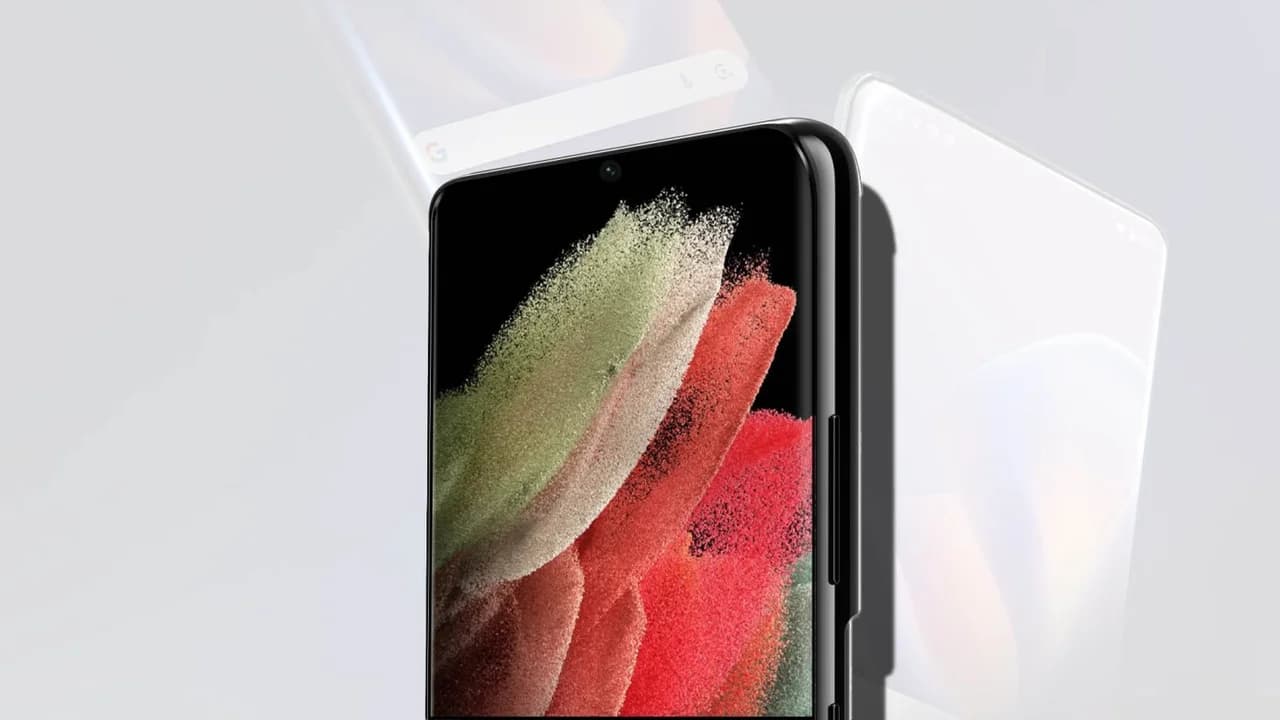
Samsung Electronics is advancing its development of a 3D curved display technology designed to challenge the iPhone 20's four-sided curved screen. The South Korean tech giant aims to deliver a display that curves on all four edges, providing a more immersive visual experience. This initiative underscores Samsung's commitment to maintaining its leadership in display innovation.
The new display technology, internally referred to as 3D curved, is expected to feature a glass substrate that bends smoothly on all sides. Unlike current curved displays that only curve on the left and right edges, this design incorporates curves at the top and bottom as well. Samsung's display division, Samsung Display, is reportedly leading the research and development efforts.
Industry sources indicate that Samsung has been testing various curvature radii to achieve an optimal balance between aesthetics and functionality. The company is also working on improving durability and touch sensitivity for the curved areas. Mass production of the 3D curved displays is anticipated to begin in 2025, aligning with the expected launch timeline of the iPhone 20.
Samsung's move comes as Apple is rumored to introduce a four-sided curved display on its iPhone 20 series, set for release in 2025. Apple's design is said to eliminate bezels entirely, creating a seamless glass surface. Samsung's 3D curved display aims to offer a similar or superior experience, potentially giving it an edge in the premium smartphone market.
The 3D curved display is expected to debut in Samsung's flagship Galaxy S series or a new foldable device. However, the company may also supply the displays to other smartphone manufacturers, including Apple. Samsung Display has been a key supplier of OLED panels for iPhones, and this technology could strengthen that partnership.
Samsung's display technology has evolved significantly over the years, from the first curved Galaxy phones to the current foldable screens. The 3D curved display represents the next step in this evolution, offering a more immersive and futuristic design. The company is also exploring ways to integrate under-display cameras and sensors into the curved areas.
Analysts suggest that the 3D curved display could face challenges in mass production due to the complexity of bending glass on all four sides. Samsung is reportedly investing in new manufacturing equipment and processes to overcome these hurdles. The company aims to achieve a yield rate comparable to existing curved displays by the time of launch.
Samsung has not officially confirmed the development of the 3D curved display. However, the company's patent filings and supply chain reports indicate active progress. The display is expected to be a key differentiator for Samsung's future smartphones, helping the company compete against Apple's anticipated design innovations. Samsung Display is scheduled to begin mass production of the new panels in the second half of 2025.
HMD Preloads Sarvam AI Chatbot on New Phone for Indian Market
HMD is bundling Sarvam's Indus chatbot app, which supports 22 Indic languages, on its new smartphone to target the Indian market. The move aims to attract local users with AI capabilities tailored to regional languages.
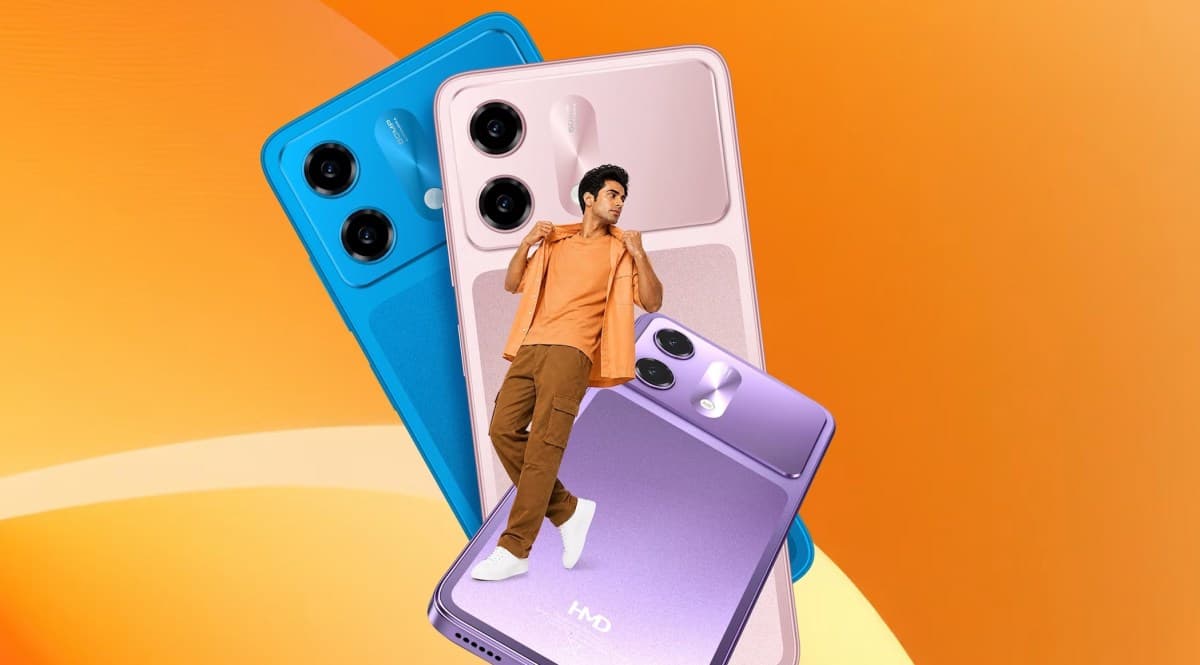
Finnish phone manufacturer HMD is pre-loading Sarvam's Indus chatbot app onto its latest smartphone, a strategic move to strengthen its presence in India. The Indus chatbot supports 22 Indic languages, offering voice and text interactions in languages such as Hindi, Bengali, Tamil, and Telugu. This integration marks HMD's effort to cater to India's diverse linguistic landscape.
The Indus chatbot, developed by Sarvam AI, is designed to handle complex queries and provide responses in multiple Indian languages. It leverages large language models fine-tuned on Indic language datasets. HMD's decision to bundle the app comes as the company seeks to differentiate its devices in a competitive market dominated by Chinese and Indian brands.
The smartphone, which HMD has not yet named, will feature the chatbot pre-installed and accessible from the home screen. Users can interact with the assistant for tasks like setting reminders, searching for information, or getting recommendations. The app works offline for basic functions, though internet connectivity enhances its capabilities.
HMD, known for reviving the Nokia brand, has been expanding its portfolio in India with affordable and mid-range devices. The company faces stiff competition from Xiaomi, Samsung, and Realme, which have established strong footholds. By integrating local AI features, HMD hopes to appeal to users seeking language-specific digital assistance.
Sarvam AI, founded by former Google and Microsoft engineers, focuses on building AI solutions for Indian languages. The startup's Indus chatbot has been adopted by several organizations for customer service and education. HMD's partnership with Sarvam underscores a growing trend of smartphone makers collaborating with local AI firms to enhance user experience.
The device is expected to launch in India within the next quarter, with pricing likely to be competitive. HMD has not disclosed the exact model or specifications, but the phone is rumored to feature a MediaTek processor and a 50-megapixel camera. The company plans to offer the phone through online and offline retail channels.
HMD's move aligns with India's push for digital inclusion, where language barriers often hinder technology adoption. The Indus chatbot's support for 22 languages could make the smartphone more accessible to non-English speakers. HMD has stated that the partnership with Sarvam is part of its broader strategy to localize products for key markets.
"We are committed to delivering technology that resonates with local users," said a HMD spokesperson. "By integrating Indus, we aim to provide a seamless and intuitive experience for Indian consumers." The phone is set to go on sale in India starting at ₹12,999, with pre-orders beginning next month.