Elon Musk shifts focus from solar power to natural gas and orbital data centers
Elon Musk's xAI is now heavily investing in natural gas, while SpaceX prioritizes orbital data centers, marking a departure from Musk's earlier vision of a solar-electric economy.
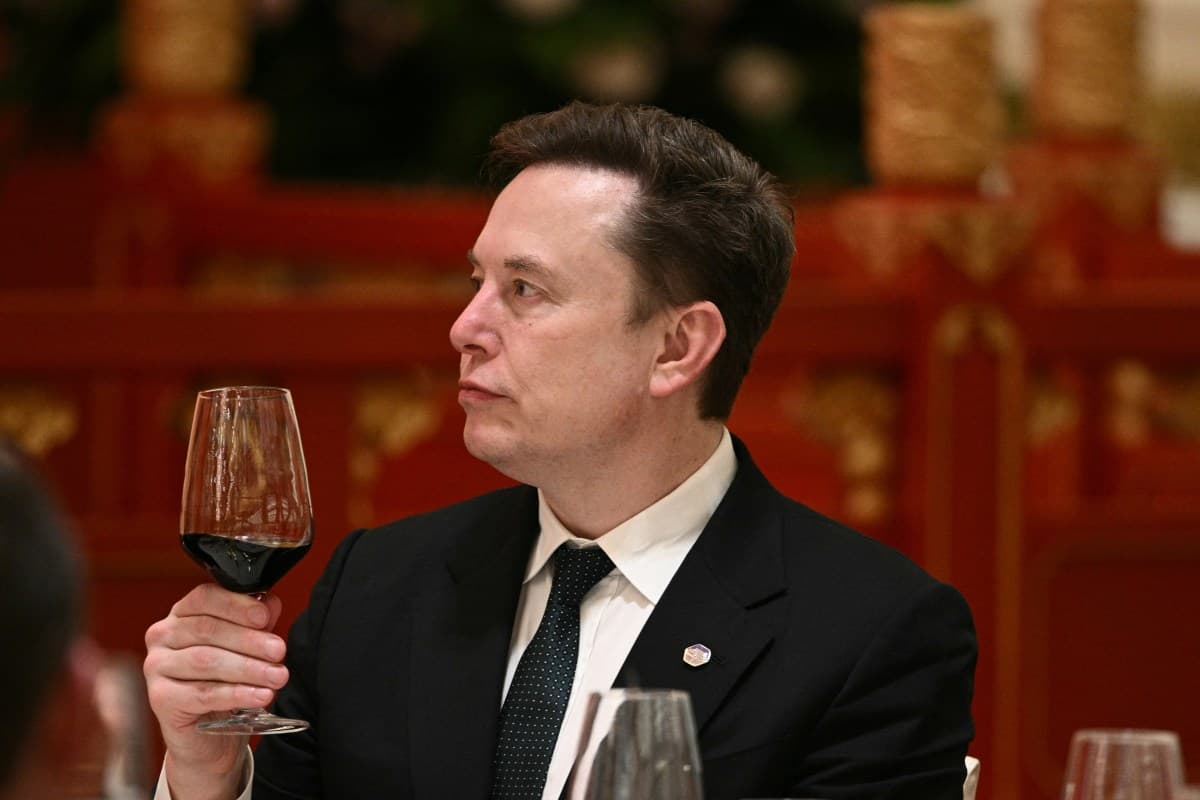
Elon Musk, once a vocal advocate for a solar-powered future, appears to have pivoted away from that vision. His artificial intelligence company, xAI, has committed significant resources to natural gas infrastructure. Meanwhile, SpaceX is directing its efforts toward developing orbital data centers rather than advancing terrestrial solar energy systems. These moves signal a notable shift from the solar-electric economy Musk championed in the past.
xAI's recent investments include partnerships with natural gas providers to power its data centers. The company has cited the reliability and scalability of natural gas as key factors in its decision. Musk had previously emphasized solar energy as the cornerstone of a sustainable energy grid, but xAI's current strategy suggests a different priority.
SpaceX, under Musk's leadership, is focusing on deploying data centers in orbit. The company argues that orbital facilities offer lower latency and higher efficiency for global data transmission. This initiative has drawn resources away from projects that could have advanced solar power adoption on Earth.
Musk's earlier promises included a transition to a fully solar-electric economy, with Tesla's solar panels and batteries playing a central role. However, the latest developments indicate a pragmatic approach that embraces natural gas and space-based infrastructure. Critics note that this contradicts Musk's previous statements about the urgency of combating climate change.
Industry observers point out that natural gas, while cleaner than coal, still produces greenhouse gas emissions. The shift has raised questions about Musk's commitment to renewable energy. Some analysts suggest that the demands of AI and space exploration require energy sources that can provide constant, high-density power, which solar alone cannot yet guarantee.
SpaceX's orbital data centers are still in early development stages. The company has not disclosed a timeline for deployment or the energy sources that will power them. Musk has hinted that solar panels could be used in space, but the primary focus remains on the data center infrastructure itself.
Neither xAI nor SpaceX have issued statements addressing the apparent contradiction with Musk's earlier solar vision. The companies continue to pursue their current energy strategies without public acknowledgment of the shift. Musk's personal involvement in these decisions suggests a deliberate strategic realignment.
As of now, Musk's solar energy company, Tesla Energy, continues to operate independently. However, its growth has not matched the pace of xAI's natural gas investments or SpaceX's orbital ambitions. The future of Musk's solar-electric economy remains uncertain as his other ventures take precedence.
Installer No. 129: New go-to browser, Parks and Rec rewatch, and more
The Verge's Installer newsletter issue No. 129 highlights a new go-to browser, along with recommendations for TV shows, podcasts, and gadgets. The author shares personal activities including rewatching Parks and Recreation, testing NextSense Smartbuds, and using the Outerline Markdown app beta.

The Verge published the 129th edition of its Installer newsletter, offering readers a curated selection of technology and entertainment recommendations. This week's issue focuses on a new go-to browser that the author has adopted, though the specific browser name is not disclosed in the provided excerpt. The newsletter, written by a Verge staffer, serves as a guide to what the author considers the best and most Verge-worthy content available.

38 Memorial Day deals under $50: portable chargers, streaming sticks, and more
The Verge has curated 38 Memorial Day deals on gadgets and gear priced at $50 or less, including portable chargers, 4K streaming devices, and security cameras. Notable discounts include the CMF Buds Pro 2 at $43 and the Amazon Fire TV Stick 4K Plus at $29.99.

Memorial Day sales often spotlight big-ticket items like OLED TVs and premium speakers, but a wealth of worthwhile discounts exists for shoppers on a tighter budget. The Verge has sifted through thousands of deals to highlight products under $50 that have earned editorial approval. The selection spans portable chargers, 4K streaming devices, security cameras, and outdoor gear suitable for summer camping or hiking trips.
Among the recommended deals is the CMF Buds Pro 2, now priced at $43, down from $69. These earbuds offer active noise cancellation, a transparency mode, and a charging case with a smart dial for volume control. They also support multipoint Bluetooth, allowing connection to two devices simultaneously.
The Amazon Fire TV Stick 4K Plus is available for $29.99, a $20 discount from its regular $49.99 price. It supports Wi-Fi 6, Dolby Atmos and Vision, and HDR10 Plus, and runs on Amazon’s updated Fire TV OS with personalized recommendations and Alexa Plus support. For those seeking faster performance and more storage, the Fire TV Stick 4K Max is on sale for $39.99 at Amazon and Best Buy, featuring Wi-Fi 6E, 16GB of storage, and an enhanced remote with a live TV button.
JBL’s Clip 5 portable Bluetooth speaker is discounted to $59 at REI, Amazon, and Best Buy, $10 shy of its all-time low. The speaker includes an integrated carabiner for clipping onto bags or bikes, an IP67 waterproof and dustproof rating, and up to 12 hours of battery life. Sony’s SRS-XB100 speaker, praised for its sound quality and compact design, is available for $43 at Amazon and Best Buy, down from $64.99.
Gamers can find the Xbox Wireless Controller for $44.99 at Amazon, Walmart, and Best Buy, a $20 saving. The controller features a dedicated share button, Bluetooth support, and a USB-C port for charging. Star Wars Outlaws, an open-world adventure set in the Star Wars universe, is discounted to $35.97 for Nintendo Switch 2 at Amazon, and $19.93 for PlayStation 5 at Walmart. Assassin’s Creed Shadows for PlayStation 5 or Xbox Series X is priced at $34.99 at Best Buy and Target.
Additional deals include the Anker Nano power bank and various other accessories, all priced at $50 or less. The Verge notes that these discounts are available while supplies last, and the roundup will be updated throughout the holiday weekend. Shoppers are encouraged to check the full list for more options across categories like audio, streaming, and outdoor gear.

Rocket Report: Starship launch delayed, German launch company may aid Canada
SpaceX's Starship launch was delayed due to a ground system issue, with a new attempt expected soon. Firefly Aerospace expanded its Texas facilities to boost spacecraft production.
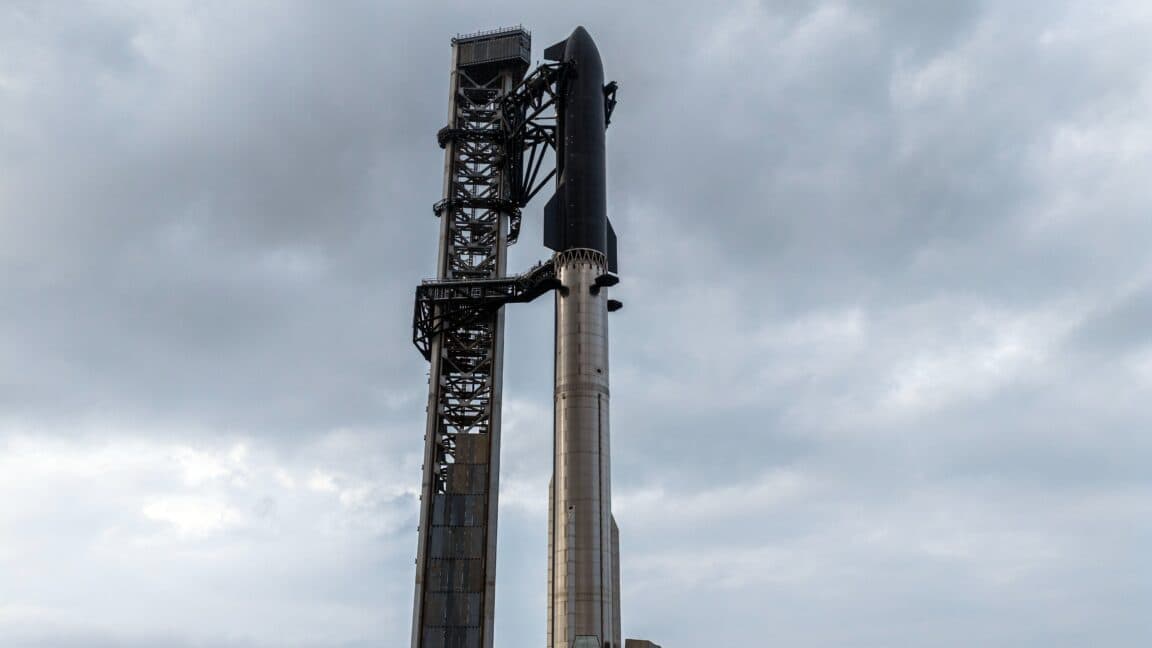
SpaceX's attempt to launch its Starship rocket on Thursday was postponed because of a problem with ground systems. The delay occurred during a highly publicized event in South Texas, where both the rocket and ground infrastructure feature largely untested hardware. The company plans to make another attempt as early as Friday evening. The stakes for this launch are significant, not only for SpaceX but also for the broader US spaceflight industry.
Firefly Aerospace announced on Tuesday that it has moved into a new headquarters and expanded its cleanroom and innovation lab facilities. The expansion includes two new buildings adjacent to its existing spacecraft facility in Cedar Park, Texas. This creates a single campus with 144,000 square feet dedicated to spacecraft assembly, testing, mission control, avionics, component production, engineering, and business operations. The move supports Firefly's growing workforce and aims to accelerate spacecraft production.
The Rocket Report covers developments across small-, medium-, and heavy-lift rockets, along with a preview of upcoming launches. This edition also includes news about a German launch company potentially assisting Canada with space access. Readers are encouraged to submit tips and subscribe to the newsletter to receive future editions.
SpaceX's Starship program represents a major step in the company's ambitions for deep space missions. The vehicle is designed to be fully reusable and capable of carrying large payloads to the Moon, Mars, and beyond. The ground system issue that caused Thursday's delay is being addressed, and engineers are working to resolve it before the next launch window.
Firefly's expansion in Texas reflects the company's growth in the competitive small satellite launch market. The new facilities will enable the company to increase production rates and improve efficiency. Firefly's Alpha rocket is designed to deliver small payloads to orbit, and the company is also developing the larger Beta rocket for medium-lift missions.
The German launch company mentioned in the report is likely involved in discussions with Canadian space agencies or companies. Details of the potential collaboration were not disclosed, but it could involve launch services or technology sharing. This development highlights the international nature of the space industry and the growing demand for launch capabilities.
Looking ahead, the next three launches on the calendar include missions from various providers. The Rocket Report provides a concise overview of these upcoming events, helping readers stay informed about the rapidly evolving space launch landscape.
SpaceX's next attempt to launch Starship is scheduled for Friday evening, pending resolution of the ground system issue. Firefly's new facilities are now operational, supporting the company's ongoing spacecraft production and testing activities.
RFK Jr. fires two leaders of preventive care panel, sparking outrage among doctors
Health Secretary Robert F. Kennedy Jr. fired two vice chairs of the US Preventive Services Task Force, leaving the panel with eight vacancies and unable to meet. Medical groups condemn the move as undermining preventive care recommendations for mammograms, colonoscopies, and other services.
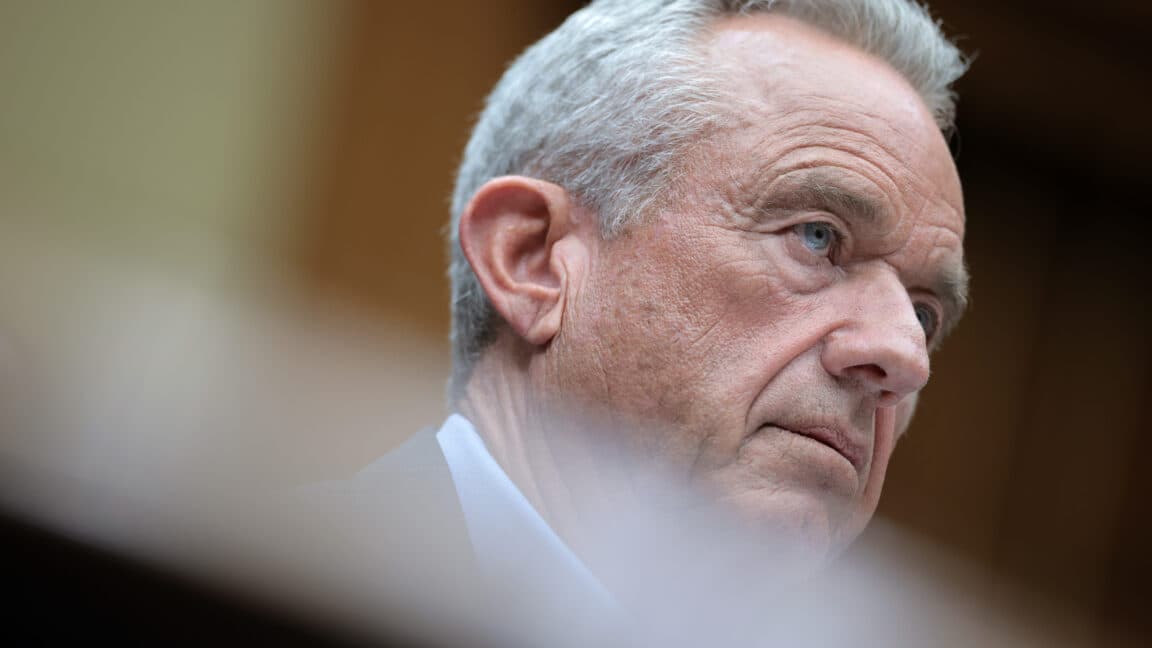
Top medical groups expressed outrage and alarm after Health Secretary Robert F. Kennedy Jr. dismissed two leaders of an influential panel that sets recommendations and insurance coverage for preventive care, including mammograms, colonoscopies, statin use, and depression screening. The firings occurred Wednesday, according to reports, targeting the two vice chairs of the US Preventive Services Task Force (USPSTF). The nonpartisan panel, typically composed of 16 independent volunteer experts in preventive medicine, now has eight vacancies, including the chair and vice chair positions. Kennedy has previously undermined the task force's work by failing to replace members whose terms expired at the start of the year, preventing the panel from meeting over the past year, and blocking the release of finalized recommendations on self-collected samples for cervical cancer screening. The USPSTF's recommendations directly influence insurance coverage under the Affordable Care Act, making its guidance critical for patient access to preventive services. Medical societies, including the American Medical Association and the American Cancer Society, condemned the firings as a dangerous politicization of evidence-based medicine. The panel's remaining members face uncertainty about their ability to continue their work without leadership or a quorum. Kennedy's actions align with his long-standing anti-vaccine stance, but now extend to other preventive health measures. The Department of Health and Human Services did not immediately respond to requests for comment on the firings or plans to fill the vacancies. The USPSTF's next scheduled meeting remains in doubt, leaving key recommendations on cancer screenings and cardiovascular prevention in limbo.