
RFK Jr. fires two leaders of preventive care panel, sparking outrage among doctors
Health Secretary Robert F. Kennedy Jr. fired two vice chairs of the US Preventive Services Task Force, leaving the panel with eight vacancies and unable to meet. Medical groups condemn the move as undermining preventive care recommendations for mammograms, colonoscopies, and other services.

Top medical groups expressed outrage and alarm after Health Secretary Robert F. Kennedy Jr. dismissed two leaders of an influential panel that sets recommendations and insurance coverage for preventive care, including mammograms, colonoscopies, statin use, and depression screening. The firings occurred Wednesday, according to reports, targeting the two vice chairs of the US Preventive Services Task Force (USPSTF). The nonpartisan panel, typically composed of 16 independent volunteer experts in preventive medicine, now has eight vacancies, including the chair and vice chair positions. Kennedy has previously undermined the task force's work by failing to replace members whose terms expired at the start of the year, preventing the panel from meeting over the past year, and blocking the release of finalized recommendations on self-collected samples for cervical cancer screening. The USPSTF's recommendations directly influence insurance coverage under the Affordable Care Act, making its guidance critical for patient access to preventive services. Medical societies, including the American Medical Association and the American Cancer Society, condemned the firings as a dangerous politicization of evidence-based medicine. The panel's remaining members face uncertainty about their ability to continue their work without leadership or a quorum. Kennedy's actions align with his long-standing anti-vaccine stance, but now extend to other preventive health measures. The Department of Health and Human Services did not immediately respond to requests for comment on the firings or plans to fill the vacancies. The USPSTF's next scheduled meeting remains in doubt, leaving key recommendations on cancer screenings and cardiovascular prevention in limbo.
Rocket Report: Starship launch delayed, German launch company may aid Canada
SpaceX's Starship launch was delayed due to a ground system issue, with a new attempt expected soon. Firefly Aerospace expanded its Texas facilities to boost spacecraft production.
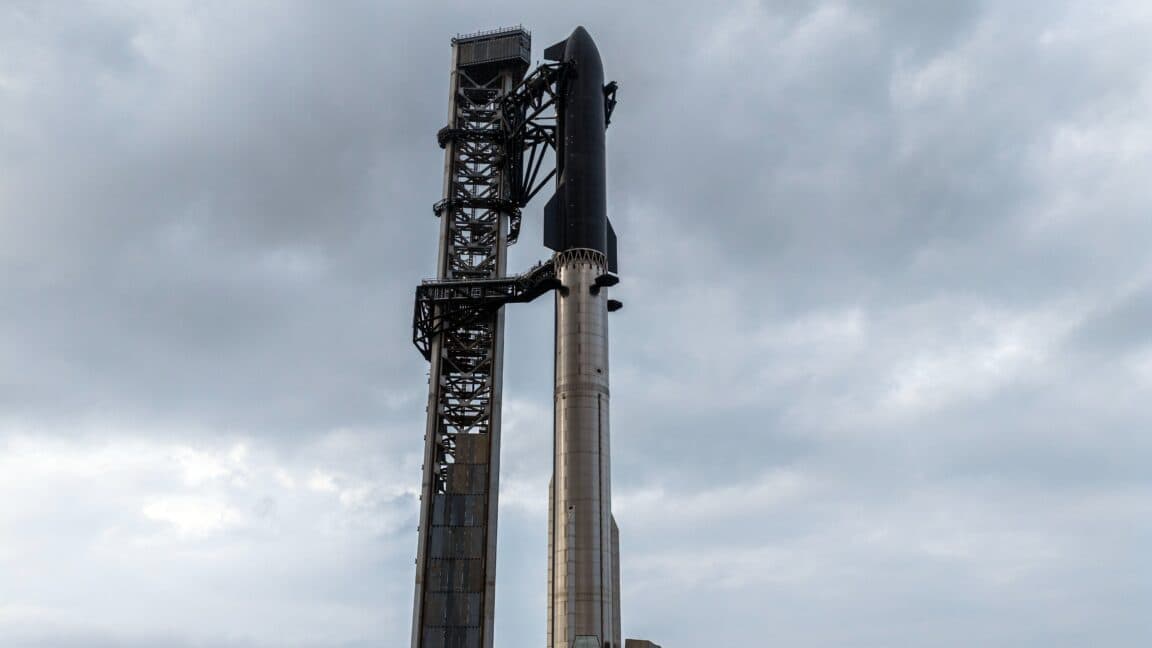
SpaceX's attempt to launch its Starship rocket on Thursday was postponed because of a problem with ground systems. The delay occurred during a highly publicized event in South Texas, where both the rocket and ground infrastructure feature largely untested hardware. The company plans to make another attempt as early as Friday evening. The stakes for this launch are significant, not only for SpaceX but also for the broader US spaceflight industry.
Firefly Aerospace announced on Tuesday that it has moved into a new headquarters and expanded its cleanroom and innovation lab facilities. The expansion includes two new buildings adjacent to its existing spacecraft facility in Cedar Park, Texas. This creates a single campus with 144,000 square feet dedicated to spacecraft assembly, testing, mission control, avionics, component production, engineering, and business operations. The move supports Firefly's growing workforce and aims to accelerate spacecraft production.
The Rocket Report covers developments across small-, medium-, and heavy-lift rockets, along with a preview of upcoming launches. This edition also includes news about a German launch company potentially assisting Canada with space access. Readers are encouraged to submit tips and subscribe to the newsletter to receive future editions.
SpaceX's Starship program represents a major step in the company's ambitions for deep space missions. The vehicle is designed to be fully reusable and capable of carrying large payloads to the Moon, Mars, and beyond. The ground system issue that caused Thursday's delay is being addressed, and engineers are working to resolve it before the next launch window.
Firefly's expansion in Texas reflects the company's growth in the competitive small satellite launch market. The new facilities will enable the company to increase production rates and improve efficiency. Firefly's Alpha rocket is designed to deliver small payloads to orbit, and the company is also developing the larger Beta rocket for medium-lift missions.
The German launch company mentioned in the report is likely involved in discussions with Canadian space agencies or companies. Details of the potential collaboration were not disclosed, but it could involve launch services or technology sharing. This development highlights the international nature of the space industry and the growing demand for launch capabilities.
Looking ahead, the next three launches on the calendar include missions from various providers. The Rocket Report provides a concise overview of these upcoming events, helping readers stay informed about the rapidly evolving space launch landscape.
SpaceX's next attempt to launch Starship is scheduled for Friday evening, pending resolution of the ground system issue. Firefly's new facilities are now operational, supporting the company's ongoing spacecraft production and testing activities.

Engadget Podcast Explores RGB LCD, OLED and Best TV Picks for 2025
The Engadget Podcast discusses the latest TV technologies, including RGB LCD and OLED, and offers buying recommendations. The episode covers key differences between panel types and what consumers should consider when purchasing a new television.

The Engadget Podcast released a new episode focused on television technology and buying advice. Hosts and guests examined the current state of TV displays, including RGB LCD and OLED panels. The discussion aimed to help listeners navigate the increasingly complex TV market.
RGB LCD technology, which uses red, green, and blue subpixels, was a central topic. The podcast explained how this approach differs from traditional LCDs and its impact on color accuracy and brightness. OLED displays were also covered, with emphasis on their deep blacks and contrast ratios.
The hosts compared the strengths and weaknesses of each technology for different viewing environments. They noted that RGB LCDs can achieve higher peak brightness, making them suitable for bright rooms, while OLEDs excel in dark rooms due to perfect black levels.
Pricing and availability were discussed, with recommendations for various budgets. The podcast highlighted that OLED prices have dropped significantly, making them more accessible. However, RGB LCD TVs were noted as offering good value for those prioritizing brightness over contrast.
Specific models were mentioned as top picks for 2025, though the episode did not provide an exhaustive list. The hosts emphasized checking for HDMI 2.1 support and variable refresh rate features for gaming. They also advised considering screen size and viewing distance.
The episode concluded with a reminder that personal preference and room conditions should guide the final decision. Listeners were encouraged to compare TVs in person when possible. The podcast is available on major streaming platforms.

Xiaomi Plans $28B R&D Investment for XRING Chip Expansion
Xiaomi plans to invest approximately $28 billion in R&D over the next five years to expand its XRING processor series. The company aims to strengthen its custom chip ecosystem.
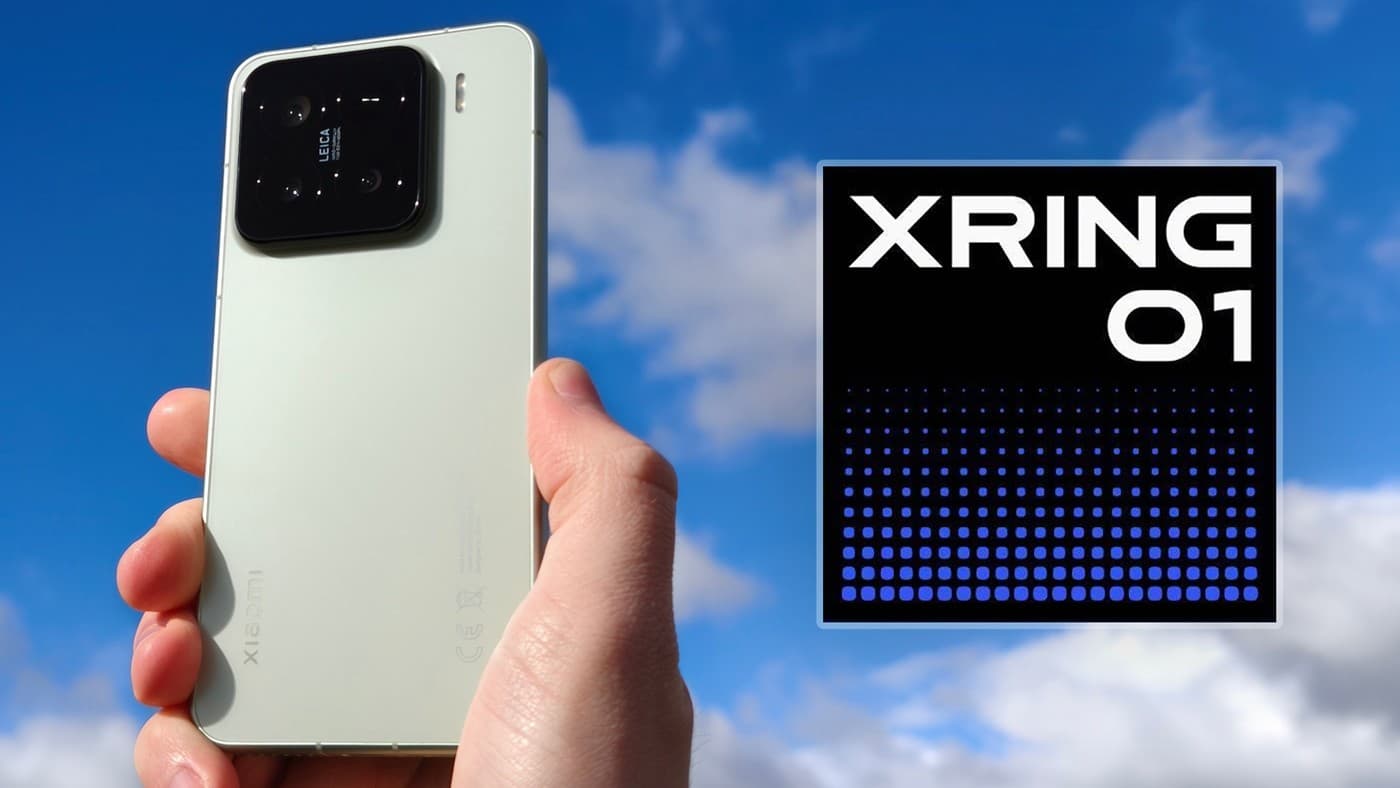
Xiaomi has announced a significant investment plan to scale its XRING processor lineup. The company intends to allocate roughly $28 billion toward research and development over the next five years. This move signals Xiaomi's ambition to build a more robust in-house chip ecosystem.
The XRING series represents Xiaomi's push into custom silicon. By investing heavily in chip development, the company seeks to reduce reliance on external suppliers. The strategy aligns with broader industry trends where smartphone makers design their own processors for better performance and integration.
Xiaomi's R&D spending will focus on advancing XRING architecture and manufacturing processes. The company aims to produce chips that can compete with offerings from Qualcomm and MediaTek. Custom chips allow Xiaomi to optimize hardware and software for its devices, potentially improving efficiency and user experience.
The investment plan comes as Xiaomi faces intense competition in the global smartphone market. Developing proprietary chips could differentiate its products and reduce costs over time. Other Chinese tech firms like Huawei have similarly invested in chip design, though they face challenges due to trade restrictions.
Xiaomi has not disclosed specific technical details about future XRING processors. The company previously introduced the XRING 01 and XRING 02 chips in select devices. The new investment suggests a long-term commitment to expanding the lineup across more product categories.
The $28 billion figure represents a substantial portion of Xiaomi's annual revenue. The company reported total revenue of approximately $40 billion in 2023. This R&D push underscores Xiaomi's determination to become a major player in semiconductor design.
Xiaomi's chip ambitions extend beyond smartphones. The company may integrate XRING processors into IoT devices, smart home products, and electric vehicles. A unified chip ecosystem could enhance connectivity and performance across Xiaomi's product portfolio.
Industry analysts view this investment as a strategic move to secure supply chain independence. Custom chips also allow Xiaomi to differentiate its devices in a crowded market. The company faces challenges in competing with established chipmakers, but the long-term investment signals confidence in its engineering capabilities.
Xiaomi's official statement emphasized the importance of core technology development. The company said the investment will accelerate innovation in AI, 5G, and edge computing. Xiaomi expects the XRING series to play a central role in its future product roadmap.
Oura Health files for IPO, smart ring maker reports 5.5 million units sold
Oura Health, the Finnish company behind the Oura smart ring, has filed for an initial public offering. The company disclosed it has sold 5.5 million smart rings as of September.
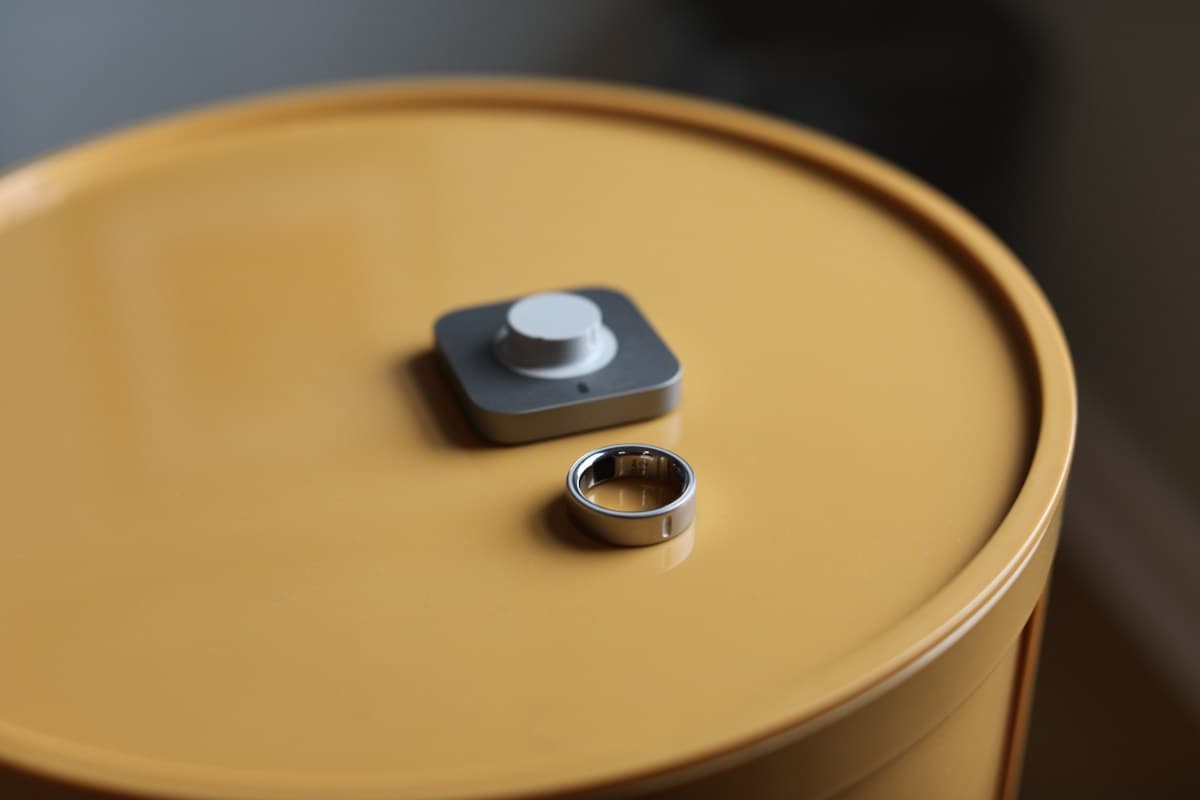
Oura Health, the Finnish manufacturer of the Oura smart ring, has submitted paperwork to go public. The company announced its intention to list on the Nasdaq exchange under the ticker symbol “OURA.” The filing did not specify the number of shares or the price range for the offering.
In its S-1 filing with the U.S. Securities and Exchange Commission, Oura reported that it had sold 5.5 million smart rings as of September 2024. The company generates revenue primarily from hardware sales and a subscription service called Oura Membership, which provides personalized health insights and coaching.
Oura’s smart ring tracks sleep, activity, stress, and readiness through sensors that monitor heart rate, body temperature, and movement. The device is designed to be worn 24/7 and syncs with a companion app. The company has positioned itself as a wellness tool rather than a medical device, though it has pursued research partnerships with institutions like the National Institutes of Health.
The IPO filing reveals that Oura’s revenue grew 55% year-over-year in the first half of 2024, reaching $120 million. However, the company reported a net loss of $25 million during the same period, narrowing from a $40 million loss a year earlier. Oura attributed the improvement to higher subscription adoption and economies of scale.
Oura faces competition from other wearable makers, including Samsung, which launched its Galaxy Ring earlier this year, and Ultrahuman, an Indian startup. The company has sought to differentiate through its focus on sleep and recovery metrics, as well as its partnerships with professional sports teams and corporate wellness programs.
The smart ring market has grown rapidly, with analysts at IDC estimating global shipments of smart rings reached 2.1 million units in 2023. Oura commands the largest share, though its lead has narrowed as new entrants emerge. The company’s IPO comes amid a broader wave of health-tech companies going public, including weight-loss drug maker Hims & Hers and digital health platform Doximity.
Oura plans to use the proceeds from the IPO to expand its product line, invest in research and development, and increase its sales and marketing efforts. The company also intends to explore new form factors and health monitoring capabilities, though it did not provide specific details in the filing.
The offering is being underwritten by Goldman Sachs, Morgan Stanley, and J.P. Morgan. Oura did not set a date for the IPO but indicated it expects to complete the listing in the first quarter of 2025. The company’s valuation in its last private funding round in 2022 was $2.5 billion.