Four Energy Stocks Poised to Benefit from AI-Driven Power Demand
The article highlights four energy stocks—Williams Companies (WMB), EQT Corporation (EQT), Vistra Corp (VST), and NextEra Energy (NEE)—that are positioned to capitalize on the growing electricity demand from artificial intelligence infrastructure. These companies are expected to play a key role in powering the buildout of AI data centers.

The rapid expansion of artificial intelligence is reshaping energy markets, creating opportunities for companies that can meet surging electricity demand. A recent analysis identifies four stocks that could benefit from this trend: Williams Companies (WMB), EQT Corporation (EQT), Vistra Corp (VST), and NextEra Energy (NEE). These firms are positioned to supply power for the massive data centers required to train and run AI models.
Williams Companies operates a vast natural gas pipeline network across the United States. Natural gas is increasingly used to generate electricity for data centers due to its reliability and lower carbon footprint compared to coal. As AI workloads grow, Williams' infrastructure could see higher utilization rates.
EQT Corporation is the largest natural gas producer in the United States. The company's low-cost production base gives it a competitive advantage in supplying fuel for power plants serving AI data centers. EQT's reserves in the Appalachian Basin are strategically located near major demand centers.
Vistra Corp is an integrated power company with a diverse generation fleet including natural gas, nuclear, and renewables. The company has been actively adding capacity to meet rising electricity demand from technology companies. Vistra's retail business also provides a direct channel to commercial and industrial customers.
NextEra Energy is the world's largest wind and solar energy producer. The company's renewable projects are increasingly paired with battery storage to provide round-the-clock power for data centers. NextEra's regulated utility in Florida also benefits from population growth and economic expansion.
The analysis notes that AI data centers require significant amounts of electricity, with some facilities consuming as much power as a small city. This demand is expected to grow rapidly over the next decade, driving investment in new generation capacity and grid infrastructure.
Investors should consider the risks associated with energy stocks, including regulatory changes, commodity price volatility, and technological shifts. However, the long-term outlook for electricity demand from AI appears robust, supporting the case for these four companies.
Williams Companies, EQT Corporation, Vistra Corp, and NextEra Energy each offer exposure to different segments of the energy value chain. Together, they represent a diversified approach to investing in the buildout of AI infrastructure.
As of the publication date, these stocks trade at valuations that reflect their growth prospects. The article suggests that investors may be overlooking these opportunities amid the broader AI hype focused on technology companies.
Raghav Chadha Files Delhi High Court Petition Against AI Deepfakes
Rajya Sabha MP Raghav Chadha has approached the Delhi High Court seeking protection of his personality rights against alleged misuse through artificial intelligence and digitally manipulated content. The matter is scheduled to be heard by Justice Subramonium Prasad on May 21.

Rajya Sabha MP Raghav Chadha has moved the Delhi High Court, requesting an injunction against the unauthorized use of his name, image, and voice through artificial intelligence and deepfake technology. The petition, filed on May 20, seeks to restrain individuals and entities from creating, publishing, or distributing manipulated digital content that misappropriates his persona. The court will hear the matter on May 21 before Justice Subramonium Prasad.
Chadha's legal action targets the growing threat of deepfakes, which use AI to generate realistic but fabricated audio and video. The petition argues that such content can cause irreparable harm to his reputation and public image. It cites specific instances where manipulated media allegedly portrayed him in a false light, though details of those instances were not disclosed in court filings.
The MP's plea emphasizes that personality rights—including control over one's name, likeness, and voice—are integral to an individual's identity and privacy. It contends that the unauthorized use of these attributes through AI tools violates his right to publicity and constitutes a form of digital impersonation. The petition seeks a permanent injunction against the creation and dissemination of such content.
This case adds to a growing body of litigation in India addressing deepfake misuse. In recent months, several public figures have sought legal remedies against AI-generated content, including actors and politicians. The Delhi High Court has previously issued interim orders in similar cases, recognizing the need to balance free speech with personality rights.
Chadha's counsel argued that existing laws, including the Information Technology Act and the Copyright Act, provide insufficient protection against deepfakes. The petition calls for a broader interpretation of personality rights to cover digital manipulations. It also requests that social media platforms and search engines be directed to remove infringing content proactively.
The hearing on May 21 will determine whether the court grants an interim injunction pending a full trial. If granted, the order could set a precedent for how Indian courts handle AI-generated impersonation. Legal experts note that the outcome may influence future regulations on deepfake technology in the country.
Chadha, a member of the Aam Aadmi Party, has been active in parliamentary debates on technology and privacy. His petition reflects growing concerns among lawmakers about the misuse of AI for disinformation. The case highlights the tension between technological innovation and individual rights in the digital age.
The matter is listed for hearing on May 21 before Justice Subramonium Prasad at the Delhi High Court.

STARTRADER CEO Peter Karsten Delivers AI Keynote at University of Adelaide
STARTRADER CEO Peter Karsten delivered an online keynote titled 'AI Starter' to the University of Adelaide community. The address marks an early step in the company's commitment to youth education in artificial intelligence and future skills.

STARTRADER CEO Peter Karsten delivered an online keynote address to academic staff and students at the University of Adelaide. The presentation, titled 'AI Starter,' focused on artificial intelligence and future skills. The event took place on May 20, 2026, according to a company announcement from Dubai, UAE.
The keynote represents an early initiative in STARTRADER's broader commitment to youth education in AI. Karsten addressed the university community remotely, sharing insights on the evolving landscape of artificial intelligence. The company has not disclosed specific details about the content of the presentation.
STARTRADER, a global brokerage firm, has been expanding its educational outreach programs. The company's focus on AI education aligns with growing industry demand for skilled professionals in the field. The University of Adelaide has not issued a separate statement regarding the event.
The online format allowed for broad participation from students and faculty. Karsten's address is part of a series of educational engagements the company plans to undertake. STARTRADER has not announced further details about future events at this time.
The company's commitment to AI education comes as industries worldwide increasingly adopt artificial intelligence technologies. STARTRADER's initiative targets equipping young people with relevant skills for the future job market. The brokerage firm has not specified any financial contributions or partnerships related to the program.
STARTRADER operates as an online trading platform offering forex, commodities, and indices. The company has a presence in multiple countries and has been investing in technology and education. The University of Adelaide keynote is one of several corporate social responsibility activities undertaken by the firm.
No further information about the keynote's reception or follow-up plans has been released. STARTRADER stated that the address marks an early step in its youth education commitment. The company continues to explore opportunities to support AI learning initiatives.

Nvidia CEO Jensen Huang predicts $200B market for AI agent CPUs
Nvidia CEO Jensen Huang announced a new $200 billion market opportunity for the company: CPUs designed for AI agents. The prediction was made during a recent investor presentation.
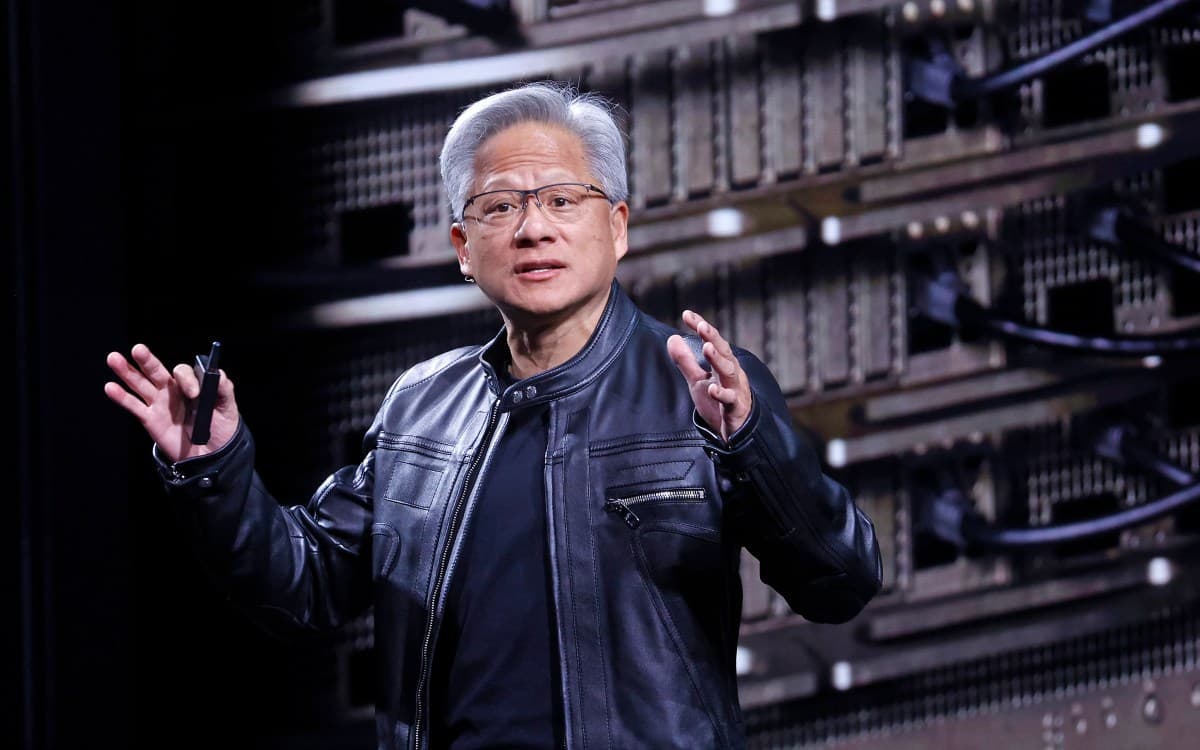
Nvidia CEO Jensen Huang has identified a new market opportunity worth $200 billion for the company: central processing units tailored for artificial intelligence agents. Huang made the announcement during an investor presentation, outlining a strategic shift beyond the company's traditional GPU dominance.
The executive described the segment as a "brand new" category that Nvidia plans to address with specialized CPU designs. These processors are intended to handle the unique computational demands of AI agents, which require real-time decision-making and task execution.
Huang did not provide a specific timeline for when these CPUs would enter production or reach the market. However, he emphasized that the opportunity represents a significant expansion of Nvidia's addressable market beyond its current focus on graphics and AI training hardware.
The $200 billion figure is based on Huang's estimate of the total addressable market for AI agent CPUs over the coming years. This includes processors for both cloud-based and edge-deployed AI agents across industries such as robotics, autonomous vehicles, and enterprise automation.
Nvidia has already begun developing CPU technology through its Grace line of processors, which are designed for data center workloads. The new AI agent CPUs would likely build on that architecture while incorporating features optimized for agent-based AI systems.
Analysts note that the move could position Nvidia to compete more directly with established CPU makers like Intel and AMD in the AI sector. However, Huang's prediction remains a forward-looking statement, and the company has not yet released detailed specifications or product roadmaps for the new CPUs.
Nvidia's stock saw a modest increase following the announcement, reflecting investor interest in the company's expanding ambitions. The company continues to dominate the GPU market for AI training, with its H100 and upcoming Blackwell chips driving record revenues.
Huang's forecast underscores the growing importance of AI agents in the technology landscape. As companies increasingly deploy autonomous systems, the demand for specialized processors that can efficiently run agent-based workloads is expected to rise sharply.
Nvidia plans to provide more details about its AI agent CPU strategy at its upcoming GTC conference in March. The company has not yet set a release date or pricing for the new processors.

xAI Faces Lawsuit Over Generators, Plans $2.8B Turbine Purchase
Elon Musk's xAI is being sued over its data center generators and plans to buy $2.8 billion in natural gas turbines over three years, per a SpaceX IPO filing.
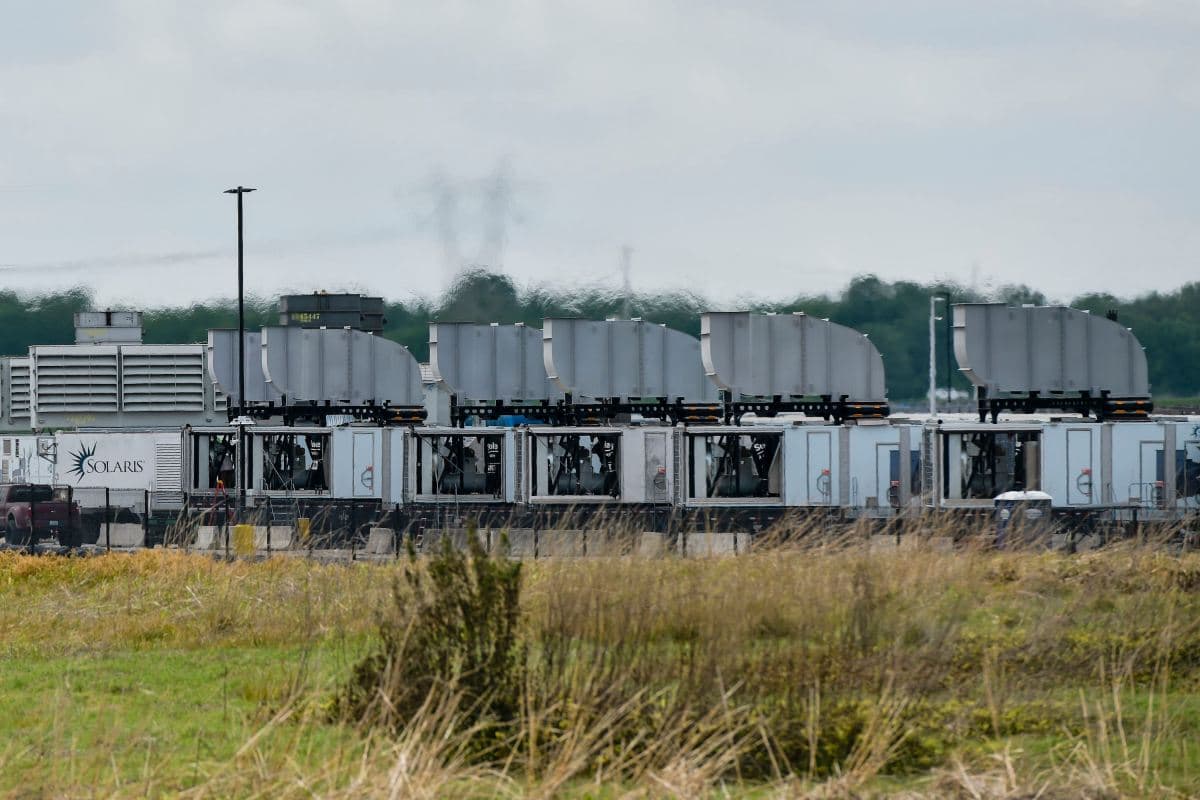
Elon Musk's artificial intelligence company xAI is facing a lawsuit related to its data center generators. The legal action centers on the environmental impact of the equipment used to power its computing infrastructure. Details of the lawsuit remain limited, but it adds to the regulatory and public scrutiny surrounding the company's operations.
In a separate development, xAI disclosed plans to purchase $2.8 billion worth of natural gas turbines over the next three years. The information emerged from a filing related to SpaceX's initial public offering, which included details about xAI's capital expenditures. The turbines are intended to support the energy needs of xAI's expanding data centers.
The purchase represents a significant investment in fossil fuel-based power generation, despite growing pressure on tech companies to adopt renewable energy sources. xAI's reliance on natural gas has drawn criticism from environmental groups, who argue that the company should prioritize cleaner alternatives.
xAI's data centers are critical for training and running its large language models, which require substantial computational power. The company has been scaling up its infrastructure to compete with other AI firms like OpenAI and Google DeepMind. The turbine acquisition is part of a broader strategy to ensure reliable energy supply for its operations.
The lawsuit and the turbine purchase come at a time when Musk's companies face increased scrutiny over their environmental practices. Tesla, another Musk-led company, has positioned itself as a leader in sustainable energy, but xAI's fossil fuel investments contrast with that image.
SpaceX's IPO filing, which included the xAI turbine details, has not been made public in full. However, the disclosure provides a rare glimpse into xAI's financial commitments and energy strategy. The company has not commented on the lawsuit or the turbine purchase beyond the filing.
xAI's data center locations and the specific turbine models have not been disclosed. The company is expected to take delivery of the turbines over the next three years, with installations likely at multiple sites. The total cost of $2.8 billion underscores the scale of xAI's infrastructure ambitions.
The lawsuit and turbine purchase highlight the tensions between AI development and environmental sustainability. As xAI moves forward with its energy investments, it will face ongoing legal and public relations challenges. The company has not provided a timeline for resolving the lawsuit or details on any mitigation measures for the turbines' emissions.