Kash Patel’s clothing brand website taken offline following hacking reports
The website for Kash Patel’s clothing brand was shut down after users reported it had been hacked. Hackers allegedly hijacked the site to trick visitors into installing malware.
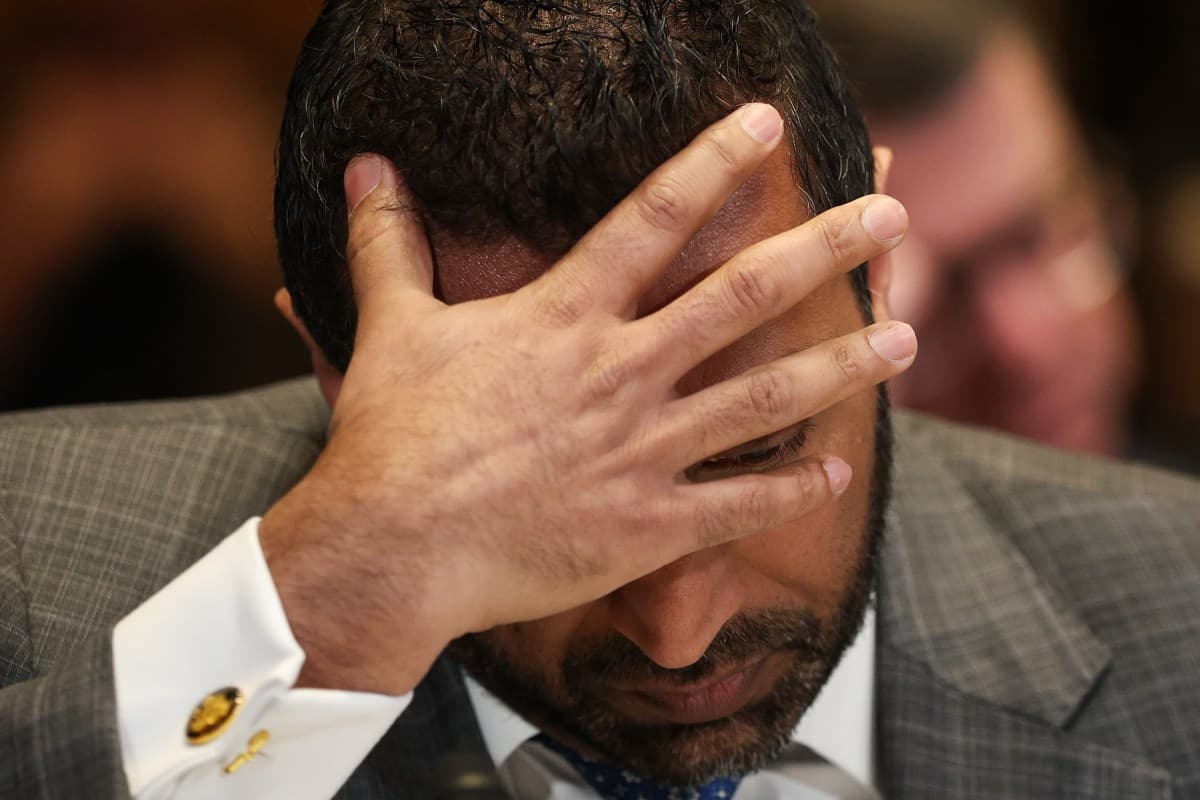
The website for a clothing brand associated with Kash Patel, a former Trump administration official, was taken offline after reports emerged that it had been compromised. Users on X, formerly known as Twitter, flagged the site as potentially malicious, claiming hackers had gained control. The incident prompted the shutdown to prevent further harm to visitors.
According to multiple posts on the social media platform, the hacked website was being used to distribute malware. Visitors who accessed the site were reportedly redirected to pages that attempted to install malicious software on their devices. The exact nature of the malware and the extent of the compromise remain unclear.
Kash Patel, who served as chief of staff to the acting secretary of defense under President Donald Trump, launched the clothing brand earlier this year. The brand sells apparel and accessories, with some items featuring political slogans. Patel has not yet publicly commented on the hacking incident.
The website’s domain now displays a message indicating it is unavailable. It is unknown when the site will be restored or if it will be relaunched with additional security measures. Cybersecurity experts recommend that anyone who visited the site recently scan their devices for malware.
This incident adds to a growing list of high-profile websites being targeted by hackers for malicious purposes. The motive behind the attack on Patel’s brand has not been determined, but it appears to be a typical malware distribution scheme rather than a politically motivated hack.
Authorities have not announced any investigation into the breach. The website’s hosting provider likely took it down after being alerted to the compromise. Users are advised to avoid visiting the site until it is confirmed safe.
Patel’s team has not issued a statement regarding the timeline for restoring the website or whether customer data was affected. The brand’s social media accounts remain active but have not addressed the incident.
US Freezes $500M in Iranian Crypto Assets, Targets $7.7B Holdings
The United States has frozen $500 million in cryptocurrency assets linked to Iran and is targeting an additional $7.7 billion in digital currency holdings. The actions underscore the increasing use of crypto in sanctions enforcement and geopolitical strategies.

The United States government has announced the freezing of $500 million in cryptocurrency assets belonging to Iranian entities. The move is part of a broader effort to target an estimated $7.7 billion in digital currency holdings associated with Iran. These actions highlight the growing role of cryptocurrencies in international sanctions and geopolitical maneuvers.
The Treasury Department's Office of Foreign Assets Control (OFAC) identified the frozen assets as part of a crackdown on Iranian networks that use digital currencies to bypass traditional financial restrictions. Officials stated that the targeted cryptocurrencies were held in wallets linked to Iranian military and intelligence organizations.
This development marks one of the largest seizures of cryptocurrency assets by the US government. The $500 million freeze represents a fraction of the total $7.7 billion in Iranian crypto holdings that Washington aims to disrupt. The Treasury Department emphasized that these actions are intended to prevent Iran from using digital assets to fund illicit activities or evade sanctions.
The US has increasingly focused on cryptocurrency as a tool for sanctions enforcement. In recent years, OFAC has added several crypto addresses to its sanctions list, targeting entities in Iran, North Korea, and other countries. The agency has also pursued legal actions against individuals and exchanges facilitating crypto transactions for sanctioned entities.
Iran has turned to cryptocurrencies as a way to circumvent US sanctions, which have severely restricted its access to the global financial system. The country has legalized crypto mining and uses digital currencies for international trade. However, US officials argue that these activities undermine sanctions and pose a national security threat.
The $500 million freeze was executed through cooperation with international partners and crypto exchanges. The Treasury Department did not disclose the specific exchanges or jurisdictions involved but noted that the assets were identified through blockchain analysis and intelligence sharing.
This action is part of a broader US strategy to combat illicit finance in the crypto space. The Biden administration has proposed new regulations requiring crypto exchanges to report transactions involving unhosted wallets and has increased funding for enforcement agencies. Critics argue that these measures could stifle innovation, while supporters say they are necessary to prevent abuse.
The Treasury Department warned that it will continue to target Iranian crypto assets and urged the private sector to enhance compliance measures. The agency stated that it expects further actions against digital currency networks linked to Iran and other sanctioned countries.
As of now, the frozen assets remain under US control pending further legal proceedings. The Treasury Department indicated that the funds could be forfeited if they are determined to be connected to illicit activities. The $7.7 billion target represents the total estimated value of Iranian crypto holdings that the US seeks to disrupt through sanctions and enforcement actions.

Europol Shuts Down VPN Service Used by Two Dozen Ransomware Gangs
Europol announced the takedown of a VPN service that provided anonymity to hackers, including two dozen ransomware groups. Users of the service have been notified that their identities are now known to law enforcement.

Europol has dismantled a VPN service that marketed itself to cybercriminals as a tool for complete anonymity. The operation, details of which were released on Wednesday, targeted a service that law enforcement says was used by at least two dozen ransomware gangs. The VPN provider had explicitly promised hackers that their activities would remain untraceable.
Authorities were able to identify users of the service and have begun notifying them that their anonymity has been compromised. Europol did not disclose the name of the VPN service or the number of users affected, but confirmed that the takedown was part of a broader effort to disrupt ransomware operations.
The VPN service operated on a model that allowed customers to pay with cryptocurrency and required no personal information. This made it attractive to cybercriminals seeking to hide their IP addresses and locations while conducting attacks. Europol coordinated with law enforcement agencies from multiple countries to seize the service's infrastructure.
Ransomware groups have increasingly relied on such anonymizing services to evade detection. The takedown is expected to hinder the operations of several prominent ransomware strains, including those responsible for high-profile attacks on hospitals, schools, and corporations. Europol stated that the investigation is ongoing and further arrests are possible.
The notification to users serves as a warning that law enforcement is capable of penetrating even the most secretive services. Europol encouraged any individuals who used the VPN for legitimate purposes to come forward, but emphasized that the service was primarily marketed to criminals.
This action follows a series of similar takedowns by international law enforcement, including the seizure of dark web marketplaces and cryptocurrency exchanges used by ransomware gangs. Europol has made combating ransomware a top priority, citing the significant economic and societal damage caused by these attacks.
The VPN service's operators face charges related to computer fraud, money laundering, and conspiracy. Europol did not provide a timeline for their prosecution but confirmed that the service is no longer operational. Users who relied on the VPN for illegal activities have been advised that their data may have been compromised.
Europol's announcement underscores the growing collaboration between global law enforcement agencies in the fight against cybercrime. The agency stated that it will continue to target the infrastructure that enables ransomware attacks, including bulletproof hosting services and cryptocurrency tumblers. The takedown of this VPN service marks a significant victory in that effort.

Workplace monitoring apps share employee data with ad platforms, study finds
A new study led by Columbia Law School's Stephanie Nguyen found that nine workplace monitoring tools share employee data with third parties including Facebook and Google. The data ranges from names and email addresses to web browsing history.
A study released Tuesday reveals that many workplace monitoring applications transmit employee data not only to employers but also to digital advertising platforms and data brokers. The research, led by Stephanie Nguyen, a senior fellow at Columbia Law School's Center for Law and the Economy and former chief technologist at the Federal Trade Commission under Lina Khan, examined nine popular "bossware" services. All nine were found to share some form of information with third-party platforms, according to the report.
The data shared includes names, email addresses, and web browsing history. Recipients of this data include major ad platforms such as Facebook and Google. The study did not name the specific bossware services but noted that they are used by hundreds of thousands of workplaces to monitor employee activity.
Nguyen's review highlights a growing concern about privacy in the workplace as remote and hybrid work models become more common. Employee monitoring software often tracks keystrokes, screenshots, and time spent on tasks, but the extent of data sharing with third parties has been less understood.
The findings come amid increased regulatory scrutiny of data privacy practices. The FTC has been active in pursuing cases against companies that misuse consumer data, and the study suggests that workplace monitoring tools may be operating in a gray area of consent and transparency.
Employers using these tools may not be fully aware of the data-sharing practices, the study suggests. The report calls for greater transparency from bossware providers and clearer disclosures to both employers and employees about how data is used and shared.
Representatives from Facebook and Google did not immediately respond to requests for comment. The study's authors recommend that companies review their monitoring software contracts and data-sharing policies to ensure compliance with privacy regulations.
The full study is available on the Columbia Law School website. Nguyen and her team plan to expand the research to include more bossware services and examine the legal implications of the data-sharing practices they uncovered.
Trump Mobile Data Leak Exposes Customer Addresses, Emails
Trump Mobile is reportedly leaking customers' email and home addresses, with two YouTubers claiming to have verified the authenticity of the exposed data. The company has not responded to alerts about the breach.

Trump Mobile, a mobile virtual network operator (MVNO) associated with former President Donald Trump, is facing allegations of a data leak that exposes customers' personal information. Two YouTubers have reported that the company is leaking email and home addresses, and that Trump Mobile has not responded to individuals who alerted the company about the exposure. The YouTubers stated they verified that their own leaked data was authentic, raising concerns about the security of customer information.
The alleged leak involves sensitive personal details, including email addresses and physical home addresses, which could be used for identity theft or targeted harassment. The YouTubers, who have not been named in the reports, claimed they discovered the data exposure and attempted to notify Trump Mobile but received no response. The company's silence has intensified scrutiny over its data protection practices.
Trump Mobile operates as an MVNO, meaning it resells wireless services from major carriers under its own brand. The company markets itself to supporters of Donald Trump, offering plans that emphasize conservative values. The alleged data breach could undermine trust among its customer base, which includes politically engaged individuals who may be particularly concerned about privacy.
The YouTubers did not specify how they discovered the leak or the extent of the data exposure. However, they asserted that the leaked information matched their own personal details, confirming the breach's validity. Without a response from Trump Mobile, it remains unclear how many customers may be affected or what steps the company is taking to address the issue.
Data breaches involving MVNOs are not uncommon, as these companies often rely on third-party infrastructure and may have less robust security measures than major carriers. The exposure of email and home addresses can lead to phishing attacks, doxxing, or other forms of cyber exploitation. Customers of Trump Mobile are advised to monitor their accounts and be cautious of unsolicited communications.
As of now, Trump Mobile has not issued a public statement regarding the alleged leak. The company's website and social media channels have not addressed the reports. The YouTubers have called on the company to acknowledge the breach and take corrective action to protect customer data.
The Federal Trade Commission (FTC) and other regulatory bodies have not commented on the incident. If the leak is confirmed, Trump Mobile could face legal consequences under data protection laws, including potential fines for failing to safeguard consumer information. The company's lack of response may also lead to reputational damage and customer attrition.
Customers who believe their data may have been exposed are encouraged to change passwords, enable two-factor authentication, and report any suspicious activity to authorities. The YouTubers have urged Trump Mobile to notify affected individuals and implement stronger security measures to prevent future breaches.