Xiaomi Plans $28B R&D Investment for XRING Chip Expansion
Xiaomi plans to invest approximately $28 billion in R&D over the next five years to expand its XRING processor series. The company aims to strengthen its custom chip ecosystem.
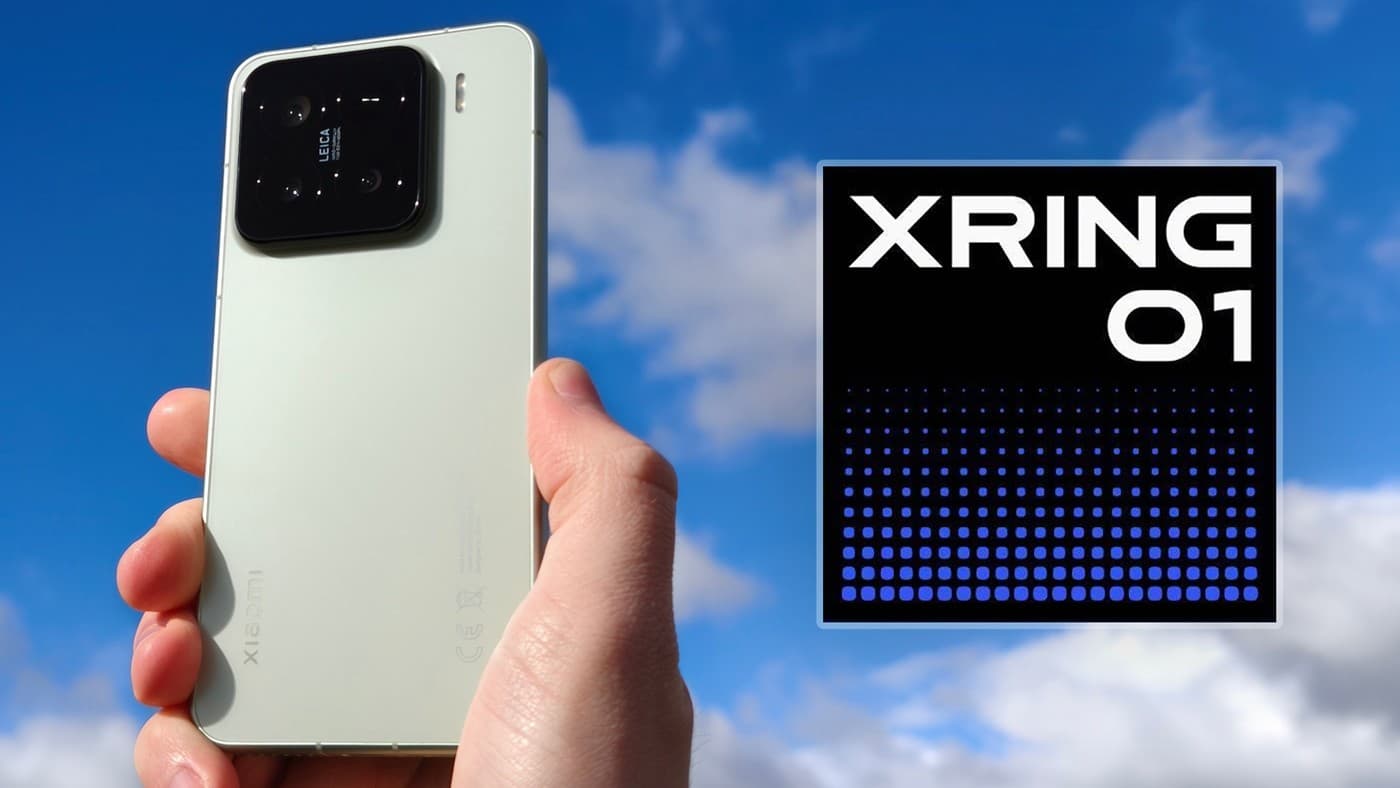
Xiaomi has announced a significant investment plan to scale its XRING processor lineup. The company intends to allocate roughly $28 billion toward research and development over the next five years. This move signals Xiaomi's ambition to build a more robust in-house chip ecosystem.
The XRING series represents Xiaomi's push into custom silicon. By investing heavily in chip development, the company seeks to reduce reliance on external suppliers. The strategy aligns with broader industry trends where smartphone makers design their own processors for better performance and integration.
Xiaomi's R&D spending will focus on advancing XRING architecture and manufacturing processes. The company aims to produce chips that can compete with offerings from Qualcomm and MediaTek. Custom chips allow Xiaomi to optimize hardware and software for its devices, potentially improving efficiency and user experience.
The investment plan comes as Xiaomi faces intense competition in the global smartphone market. Developing proprietary chips could differentiate its products and reduce costs over time. Other Chinese tech firms like Huawei have similarly invested in chip design, though they face challenges due to trade restrictions.
Xiaomi has not disclosed specific technical details about future XRING processors. The company previously introduced the XRING 01 and XRING 02 chips in select devices. The new investment suggests a long-term commitment to expanding the lineup across more product categories.
The $28 billion figure represents a substantial portion of Xiaomi's annual revenue. The company reported total revenue of approximately $40 billion in 2023. This R&D push underscores Xiaomi's determination to become a major player in semiconductor design.
Xiaomi's chip ambitions extend beyond smartphones. The company may integrate XRING processors into IoT devices, smart home products, and electric vehicles. A unified chip ecosystem could enhance connectivity and performance across Xiaomi's product portfolio.
Industry analysts view this investment as a strategic move to secure supply chain independence. Custom chips also allow Xiaomi to differentiate its devices in a crowded market. The company faces challenges in competing with established chipmakers, but the long-term investment signals confidence in its engineering capabilities.
Xiaomi's official statement emphasized the importance of core technology development. The company said the investment will accelerate innovation in AI, 5G, and edge computing. Xiaomi expects the XRING series to play a central role in its future product roadmap.
Oura Health files for IPO, smart ring maker reports 5.5 million units sold
Oura Health, the Finnish company behind the Oura smart ring, has filed for an initial public offering. The company disclosed it has sold 5.5 million smart rings as of September.

Oura Health, the Finnish manufacturer of the Oura smart ring, has submitted paperwork to go public. The company announced its intention to list on the Nasdaq exchange under the ticker symbol “OURA.” The filing did not specify the number of shares or the price range for the offering.
In its S-1 filing with the U.S. Securities and Exchange Commission, Oura reported that it had sold 5.5 million smart rings as of September 2024. The company generates revenue primarily from hardware sales and a subscription service called Oura Membership, which provides personalized health insights and coaching.
Oura’s smart ring tracks sleep, activity, stress, and readiness through sensors that monitor heart rate, body temperature, and movement. The device is designed to be worn 24/7 and syncs with a companion app. The company has positioned itself as a wellness tool rather than a medical device, though it has pursued research partnerships with institutions like the National Institutes of Health.
The IPO filing reveals that Oura’s revenue grew 55% year-over-year in the first half of 2024, reaching $120 million. However, the company reported a net loss of $25 million during the same period, narrowing from a $40 million loss a year earlier. Oura attributed the improvement to higher subscription adoption and economies of scale.
Oura faces competition from other wearable makers, including Samsung, which launched its Galaxy Ring earlier this year, and Ultrahuman, an Indian startup. The company has sought to differentiate through its focus on sleep and recovery metrics, as well as its partnerships with professional sports teams and corporate wellness programs.
The smart ring market has grown rapidly, with analysts at IDC estimating global shipments of smart rings reached 2.1 million units in 2023. Oura commands the largest share, though its lead has narrowed as new entrants emerge. The company’s IPO comes amid a broader wave of health-tech companies going public, including weight-loss drug maker Hims & Hers and digital health platform Doximity.
Oura plans to use the proceeds from the IPO to expand its product line, invest in research and development, and increase its sales and marketing efforts. The company also intends to explore new form factors and health monitoring capabilities, though it did not provide specific details in the filing.
The offering is being underwritten by Goldman Sachs, Morgan Stanley, and J.P. Morgan. Oura did not set a date for the IPO but indicated it expects to complete the listing in the first quarter of 2025. The company’s valuation in its last private funding round in 2022 was $2.5 billion.
Corsair Begins Using Chinese CXMT DRAM in DDR5 Memory Modules
Corsair has started using DRAM chips from Chinese manufacturer CXMT in its DDR5 memory modules, signaling a shift in the global supply chain amid the AI-driven memory shortage.
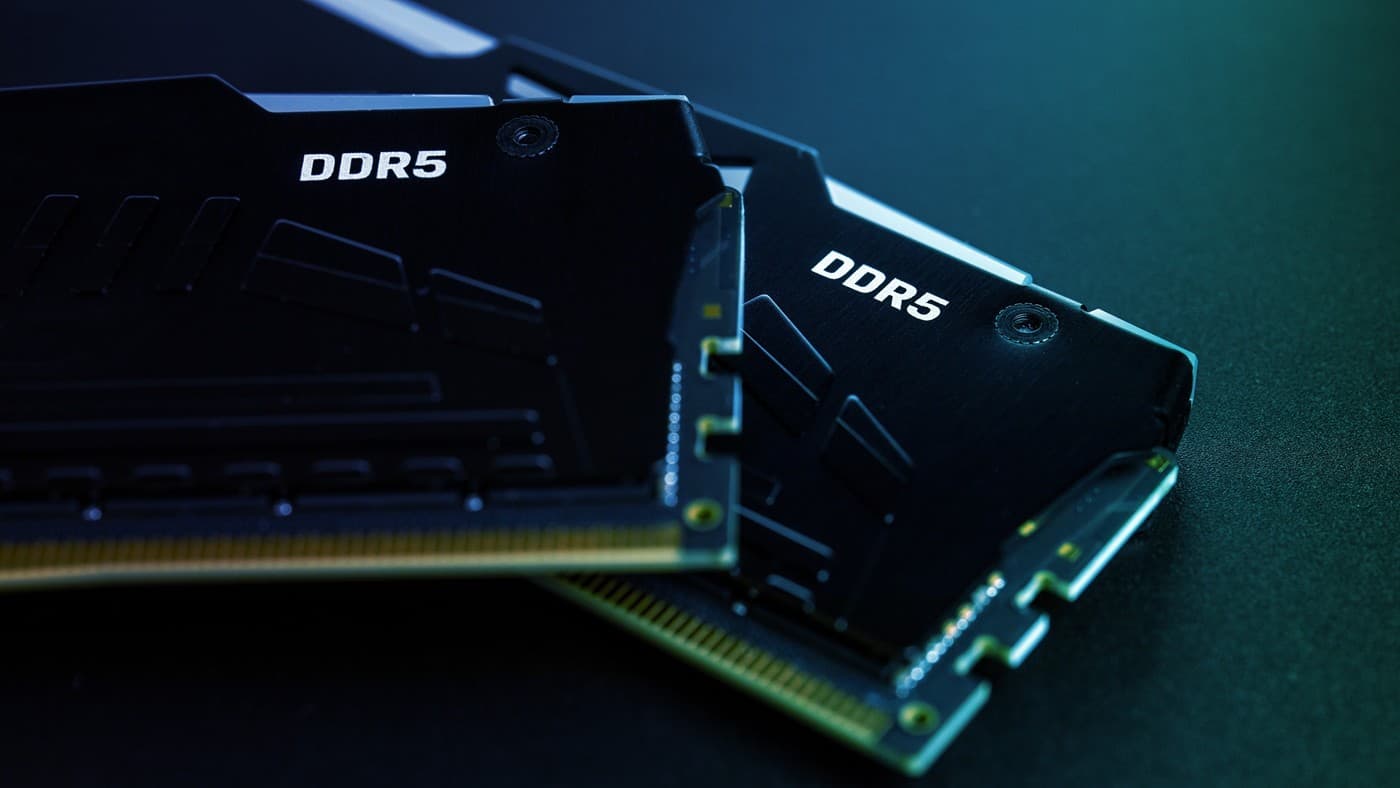
Corsair has incorporated DRAM chips from Chinese manufacturer CXMT into its DDR5 memory modules, according to recent findings. The move highlights a significant shift in the global memory supply chain as the AI boom intensifies demand for memory components.
CXMT, or ChangXin Memory Technologies, is a Chinese DRAM producer that has been ramping up production capacity. Corsair's adoption of CXMT chips marks one of the first major instances of a Western memory module maker sourcing DRAM from a Chinese supplier for high-performance consumer products.
The DDR5 modules featuring CXMT DRAM have been spotted in the market, though Corsair has not officially announced the change. The modules maintain the same specifications and performance characteristics as those using DRAM from established suppliers like Samsung, SK Hynix, and Micron.
Industry analysts note that the shift could help Corsair secure more stable pricing and supply amid the ongoing memory shortage driven by AI and data center demand. CXMT's DRAM is reportedly competitive in terms of performance and power efficiency, making it a viable alternative for consumer memory products.
Corsair's decision may also reflect broader trends in the semiconductor industry, where geopolitical tensions and supply chain diversification are prompting companies to explore non-traditional sources. However, some experts caution that long-term reliability and compatibility remain to be fully validated.
The affected DDR5 modules are available through Corsair's retail channels, including its Vengeance and Dominator series. Pricing remains consistent with other DDR5 offerings from the company, and no changes to warranty or support have been announced.
Corsair has not issued a formal statement regarding the use of CXMT DRAM. The company continues to offer a wide range of DDR5 memory kits with varying speeds and capacities, catering to gamers, enthusiasts, and professionals.
As the memory market evolves, Corsair's move could encourage other module makers to consider CXMT as a supplier, potentially reshaping the competitive landscape. For now, consumers can expect the same performance from Corsair DDR5 modules regardless of the DRAM origin.

Google Demos Android XR Glasses with Gemini-Powered Translation and Navigation
Google demonstrated prototype Android XR glasses that overlay real-time translation, navigation, and other information into the user's field of view. The glasses are powered by Gemini, Google's AI model, and represent a step toward augmented reality wearables.

Google showcased a prototype of its Android XR glasses at a recent event, offering a glimpse into the company's vision for augmented reality. The glasses overlay information such as translation, navigation, and notifications directly into the user's field of view. The device is powered by Gemini, Google's advanced AI model, which enables real-time language translation and contextual assistance.
The prototype glasses feature a lightweight design and integrate with Google services like Maps and Translate. During the demo, users could see translated text overlaid on signs or hear spoken translations through the glasses' speakers. Navigation prompts appeared as arrows and directions projected onto the real world, allowing users to keep their hands free.
Gemini's AI capabilities allow the glasses to understand and respond to voice commands, provide contextual information about objects in view, and even summarize text. The glasses can also display notifications from a paired smartphone, such as messages or calendar alerts, without requiring the user to look at a phone screen.
The Android XR platform is designed to support a range of augmented reality experiences, from productivity tools to entertainment. Google emphasized that the glasses are still in the prototype stage and are not yet available for consumers. The company did not announce a release date or pricing for the product.
Google's push into AR glasses comes amid renewed interest in the category from other tech giants. Apple recently launched the Vision Pro, a mixed-reality headset, while Meta has continued to develop its Ray-Ban Stories smart glasses. Google's approach focuses on a lightweight form factor and seamless integration with its existing ecosystem.
The prototype glasses are part of Google's broader strategy to integrate AI into everyday devices. The company has been investing heavily in Gemini, which also powers features in Pixel phones and other products. The glasses represent a new form factor for delivering AI-powered assistance in a hands-free manner.
Developers will have access to Android XR tools to create applications for the platform. Google plans to release a software development kit (SDK) for Android XR in the coming months, allowing third-party developers to build AR experiences for the glasses. The company is also working with partners to explore use cases in industries like healthcare, logistics, and education.
Google did not specify when the Android XR glasses will be available to the public. The company stated that it is continuing to refine the hardware and software based on feedback from the demo. Pricing and availability details are expected to be announced at a later date.

AMD to Invest Over $10 Billion in Taiwan for Next-Gen Infrastructure
AMD announced plans to invest more than $10 billion in Taiwan's ecosystem for next-generation infrastructure and advanced packaging technologies. The investment aims to strengthen AMD's supply chain and manufacturing capabilities.
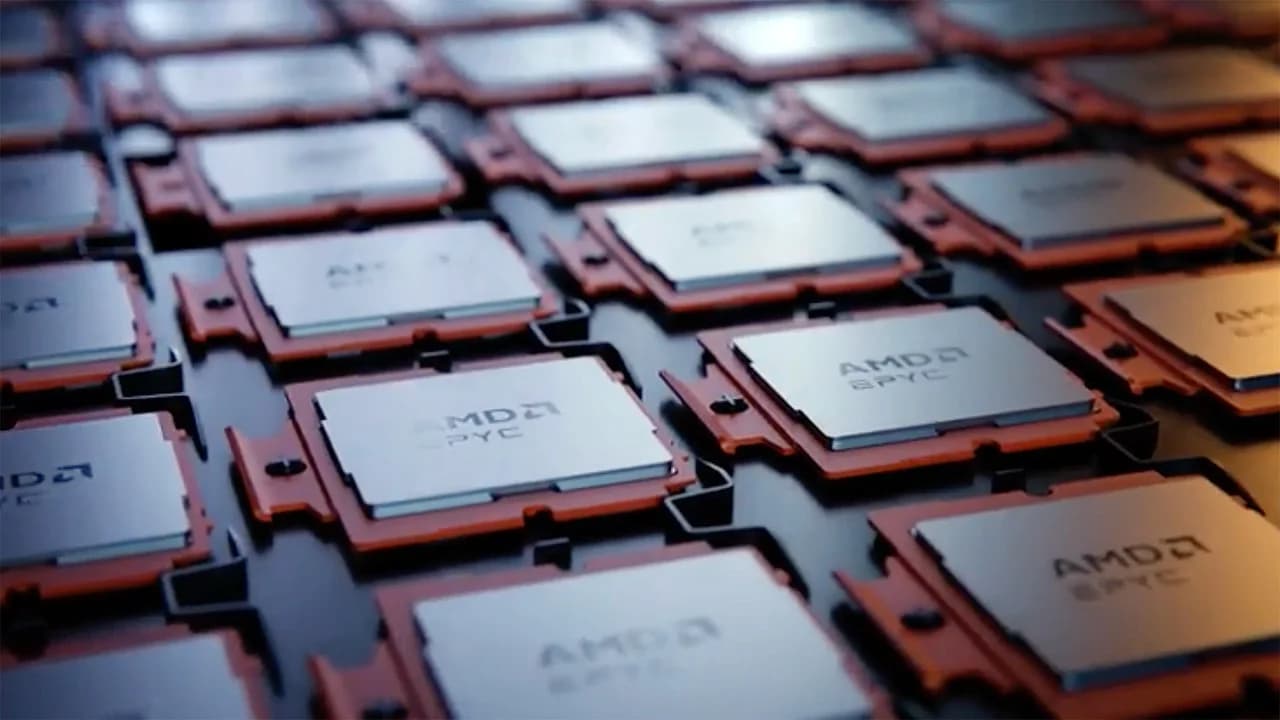
Advanced Micro Devices (AMD) revealed a major investment exceeding $10 billion directed at Taiwan's technology ecosystem. The funds will support the development of next-generation infrastructure and advanced packaging technologies. This strategic move underscores AMD's commitment to expanding its manufacturing footprint in the region.
The investment focuses on enhancing AMD's capabilities in advanced packaging, a critical area for high-performance computing and AI chips. Advanced packaging techniques allow for tighter integration of components, improving performance and energy efficiency. Taiwan is a global hub for semiconductor manufacturing and packaging, making it a natural choice for AMD's expansion.
AMD's decision comes amid growing demand for AI accelerators and data center processors. The company has been working to increase its production capacity to compete with rivals like Nvidia and Intel. By investing in Taiwan, AMD aims to secure access to cutting-edge packaging technologies and supply chain resilience.
The investment will be phased over several years, with specific projects to be announced later. AMD plans to collaborate with local partners, including semiconductor foundries and packaging firms. The company already works closely with Taiwan Semiconductor Manufacturing Company (TSMC) for chip production.
This move aligns with broader industry trends where chipmakers are investing heavily in advanced packaging. TSMC, for instance, has been expanding its advanced packaging capacity in Taiwan. AMD's investment is expected to create jobs and boost the local tech ecosystem.
AMD CEO Lisa Su stated that the investment reflects the company's confidence in Taiwan's technology leadership. She emphasized the importance of innovation and collaboration in driving the next wave of computing. The investment is subject to regulatory approvals and market conditions.
AMD's announcement follows similar investments by other tech giants in Taiwan. The region remains a critical node in the global semiconductor supply chain. AMD's commitment is seen as a long-term bet on the island's manufacturing prowess.
The investment is scheduled to begin in 2024, with full deployment expected by 2028. AMD did not disclose specific financial details or the exact breakdown of spending. The company reaffirmed its dedication to advancing high-performance computing through strategic investments.